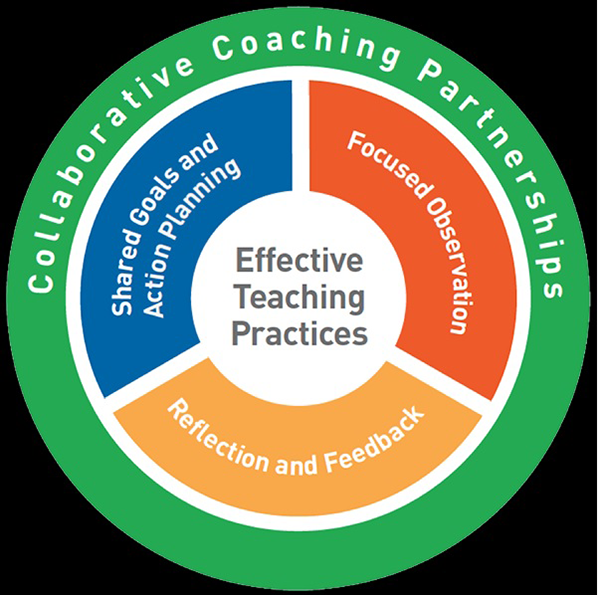
Practice-Based Coaching
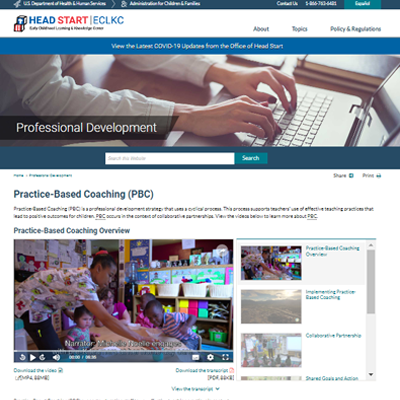
A wealth of resources, videos, and fact sheets related to PBC can be found on the Head Start Early Childhood and Knowledge Learning Center (ECLKC).
A wealth of resources, videos, and fact sheets related to PBC can be found on the Head Start Early Childhood and Knowledge Learning Center (ECLKC).
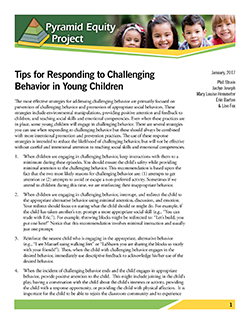
Tips for how to respond to challenging behavior when it occurs in the classroom.
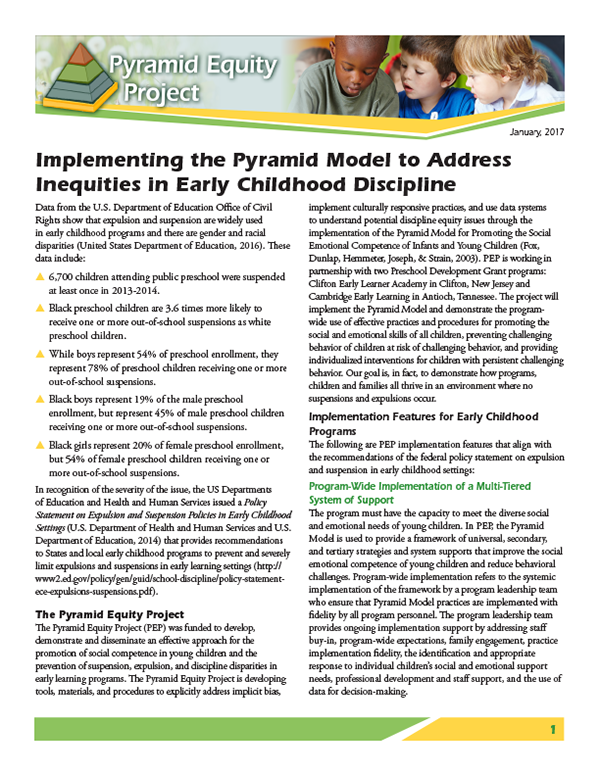
This fact sheet describes how the Pyramid Model is implemented to address equity issues.
Explore the Learning Lab on Coaching for Practice Change hosted by ECTA to provide information on how coaching can be supported by states and used within programs to improve implementation of evidence-based practices. The four sessions provide presentations, tools, and resources on 1) Innovations for the delivery of coaching; 2) Statewide implementation, systems considerations and examples; 3) Considerations for local and regional programs; and 4) Data Decision-Making and the Implementation of Practice-Based Coaching.
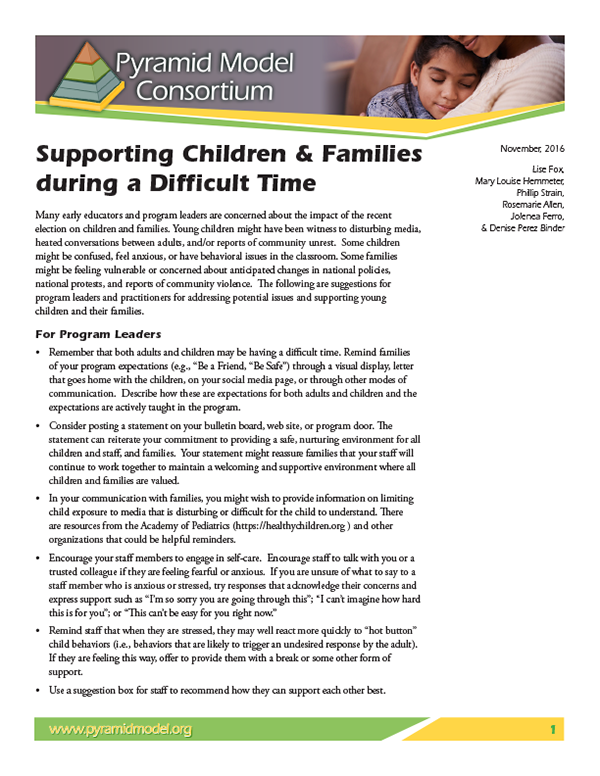
This fact sheet provides guidance for supporting children and families during difficult circumstances (e.g., national protests, community violence).
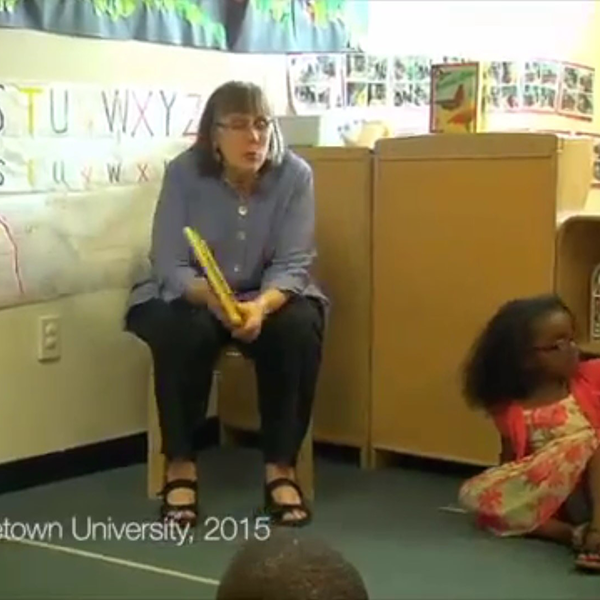
An IECMH Consultant supports the skills and strengths of program leaders, staff, families, and children during a typical day in a classroom setting. Explore other resources about IECMHC at www.samhsa.gov/iecmhc.
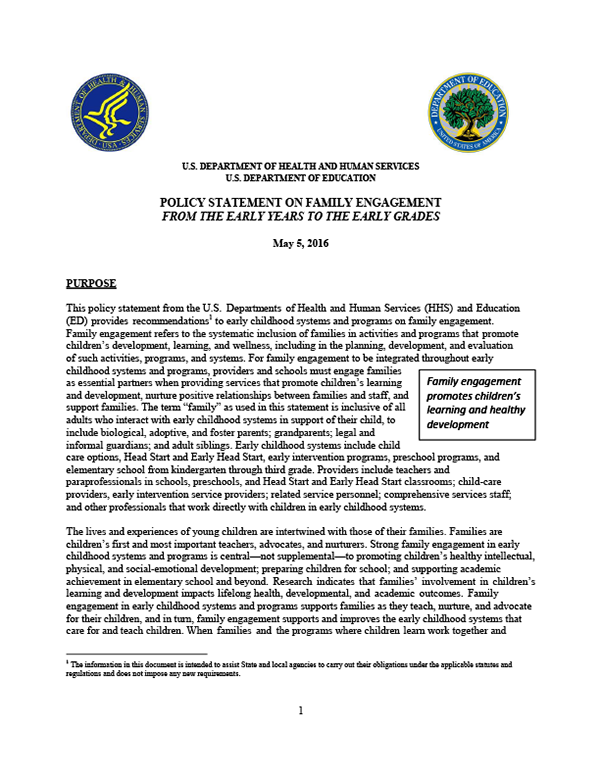
Grades stat from the early years to the ea S Tlicy-statement-on-family-engagement.pdf
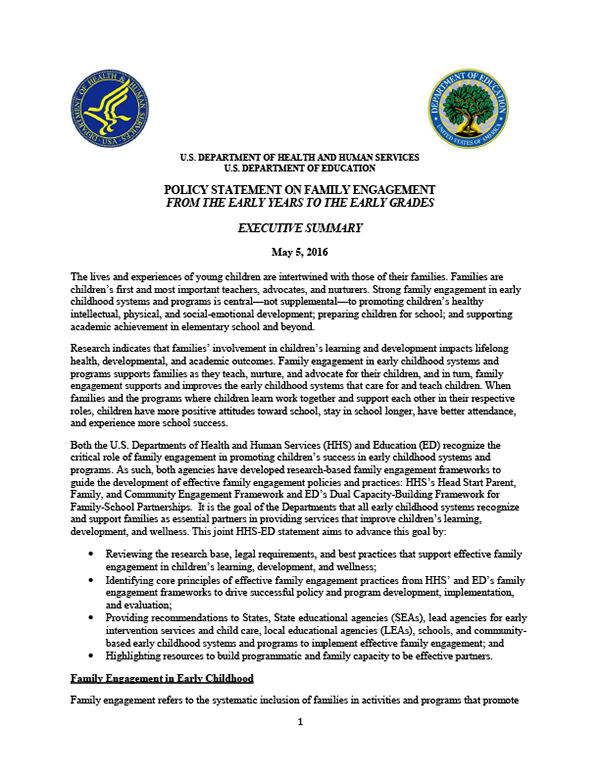
Summary stat from the early years to the early grades – executi S Tlicy-statement-on-family-engagement-executive-summary.pdf
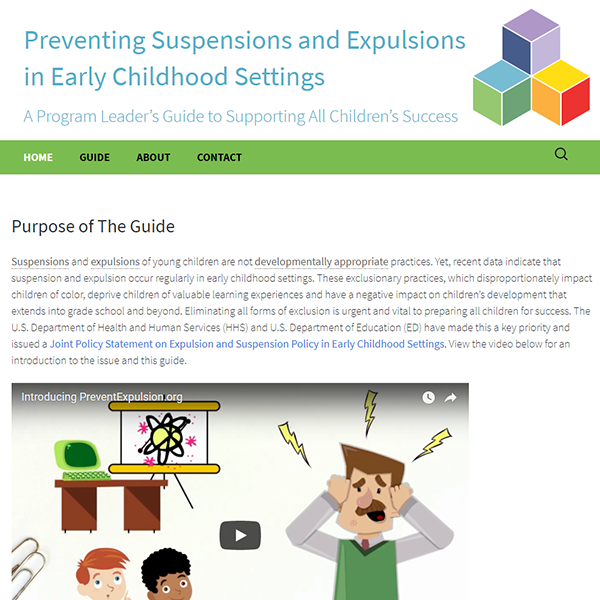
The purpose of this guide is to provide relevant, specific recommended policies and practices that are actionable and address the underlying root causes and provide effective alternatives. The recommended policies and practices are based on the most important research for eliminating suspensions and expulsions in early childhood settings and were developed with guidance from a panel of national experts.The purpose of this guide is to provide relevant, specific recommended policies and practices that are actionable and address the underlying root causes and provide effective alternatives. The recommended policies and practices are based on the most important research for eliminating suspensions and expulsions in early childhood settings and were developed with guidance from a panel of national experts. Using the interactive guide, program leaders can find resources on supporting social emotional development, reducing challenging behavior, recognizing the role of cultural differences and implicit biases, and more. The guide is intended for those most likely to make an impact and with a great need for resources: early education program leaders in center-based settings who implement policies and procedures and promote practices; however, anyone seeking to learn more about strategies for eliminating suspension and expulsion in early childhood settings can benefit from using the guide.
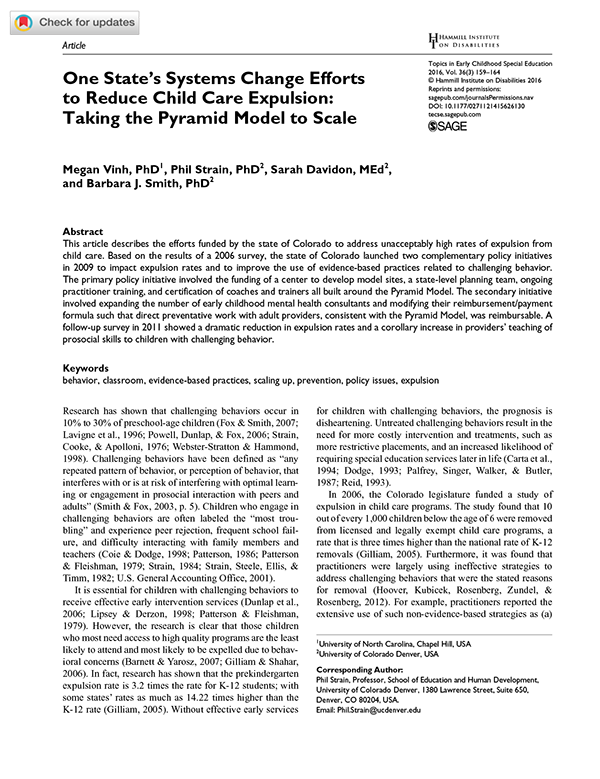
Vinh, M., Strain, P., Davidon, S., & Smith, B.J. (2016). One state’s systems change efforts to reduce child care expulsion: Taking the Pyramid Model to scale. Topics in Early Childhood Special Education, 36, 159-164.



This website was made possible by Cooperative Agreement #H326B220002 which is funded by the U.S. Department of Education, Office of Special Education Programs. However, those contents do not necessarily represent the policy of the Department of Education, and you should not assume endorsement by the Federal Government. This website is maintained by the University of South Florida. Contact webmaster.