The Pyramid Model is comprised of practices that are implemented by teachers and families. Below are ideas, resources, and illustrations of strategies that might be used to implement Pyramid Model practices and promote young children’s social and emotional competence in a classroom setting.
Teaching Social-Emotional Skills
Social-emotional skills can be categorized into four types: behavior regulation, friendship skills, emotional literacy, and problem-solving skills.
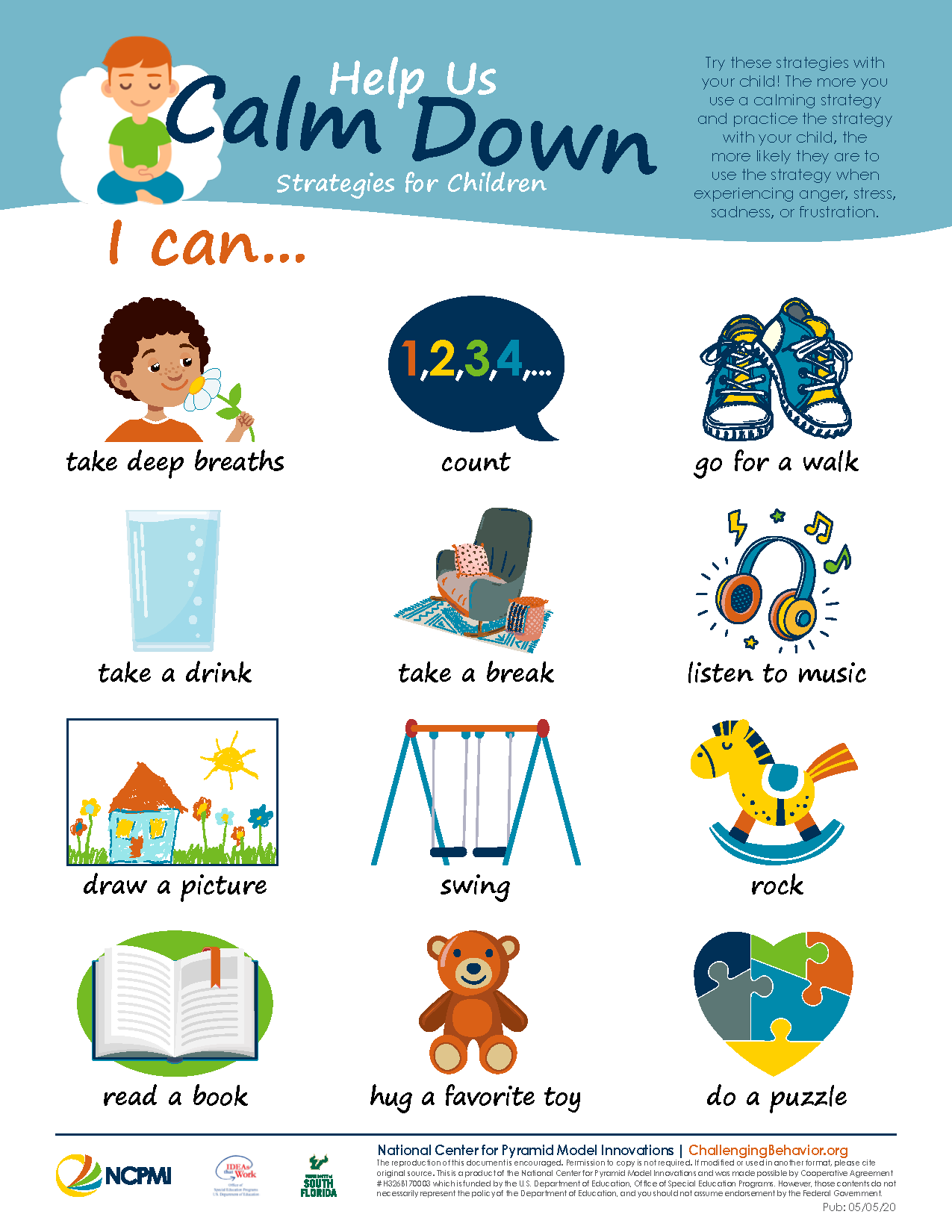
Try these strategies with your child! The more you use a calming strategy and practice the strategy with your child, the more likely they are to use the strategy when experiencing anger, stress, sadness, or frustration.
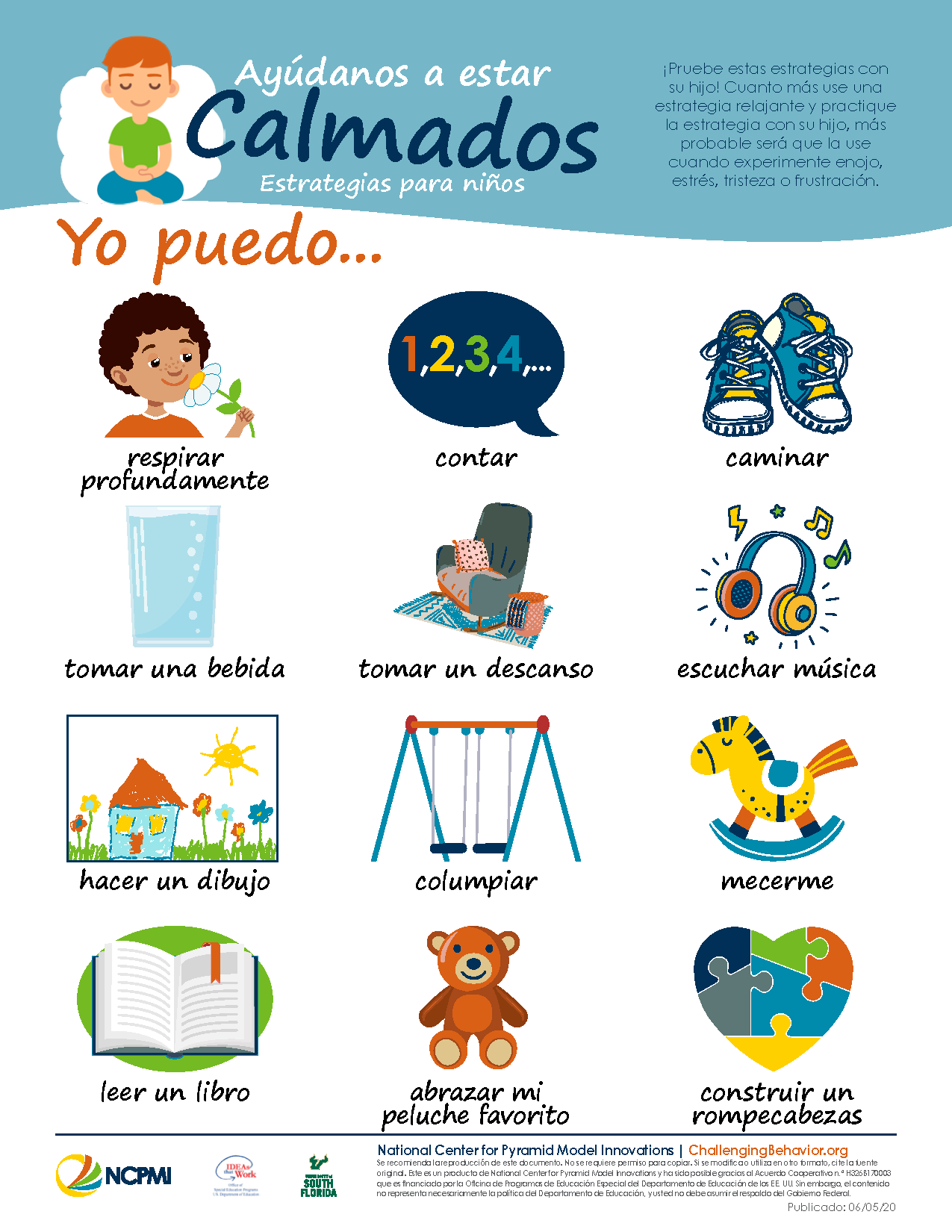
Try these strategies with your child! The more you use a calming strategy and practice the strategy with your child, the more likely they are to use the strategy when experiencing anger, stress, sadness, or frustration.
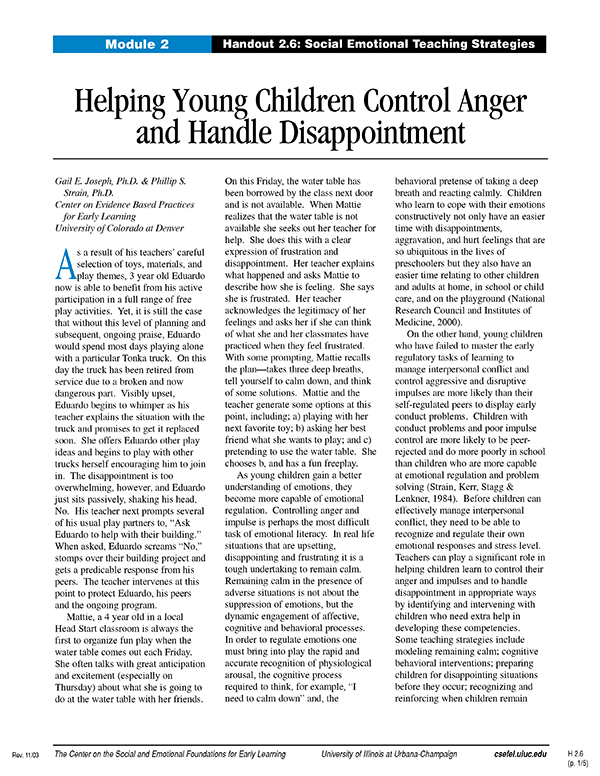
Practical strategies article
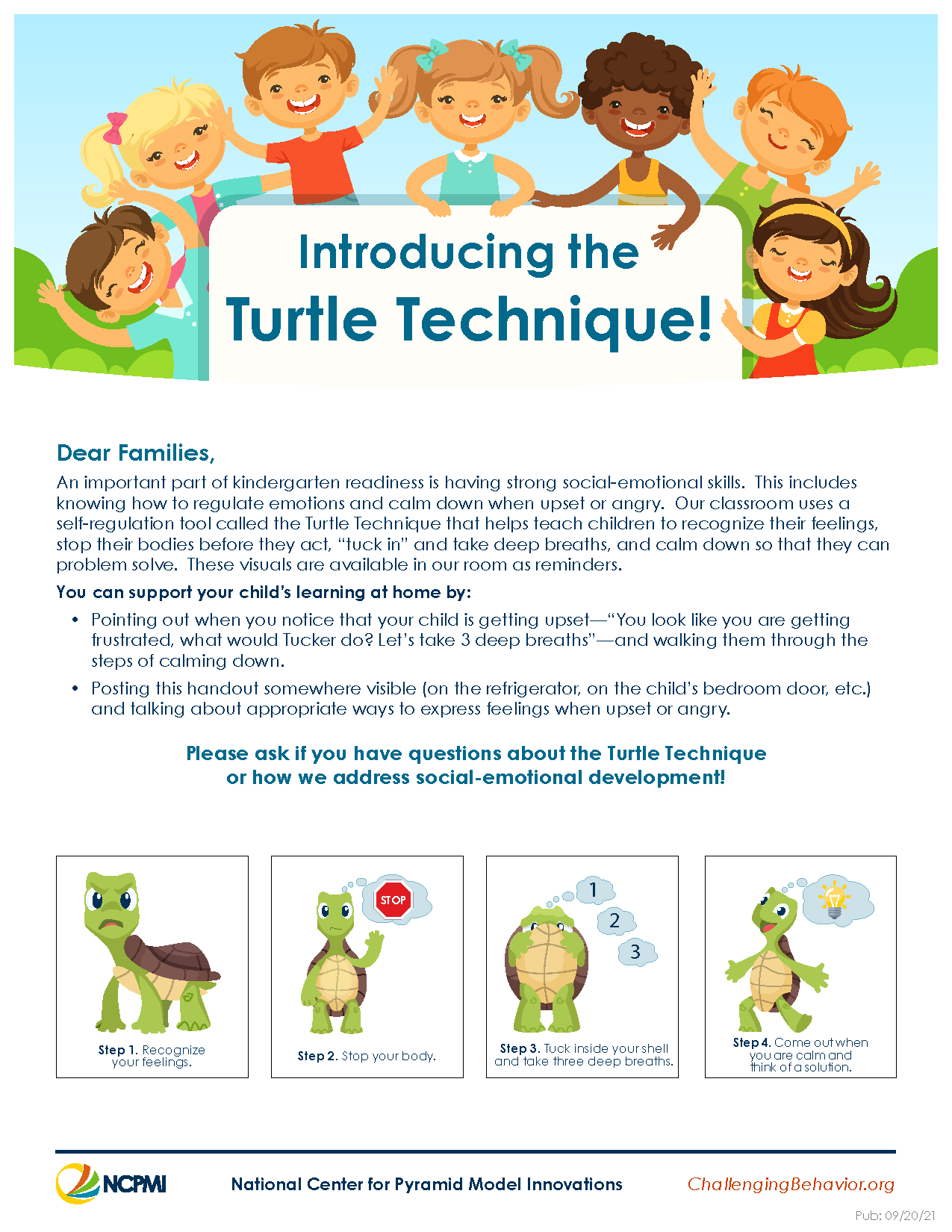
Letter addressed to families announcing the use of the the Turtle Technique at the program.
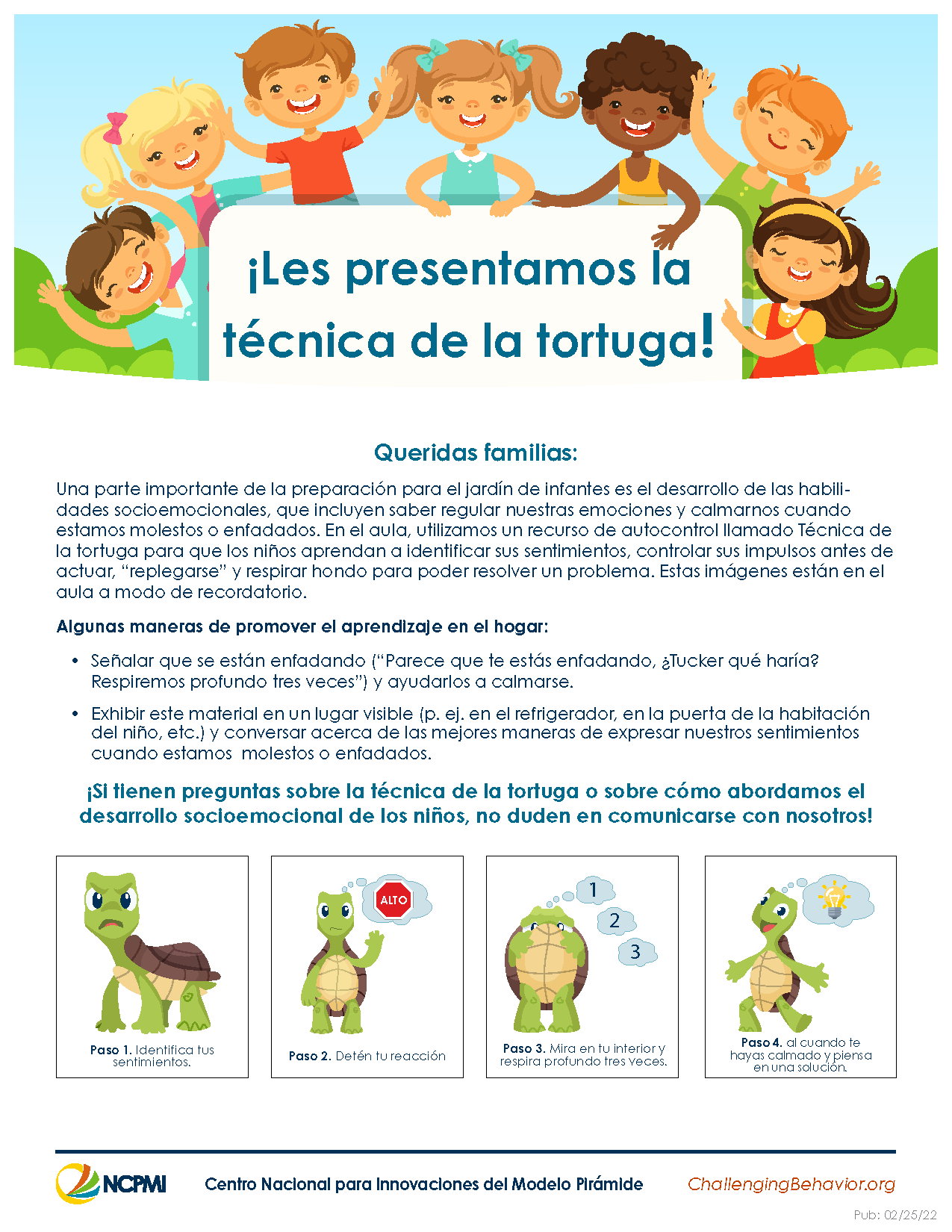
Letter addressed to families announcing the use of the the Turtle Technique at the program.
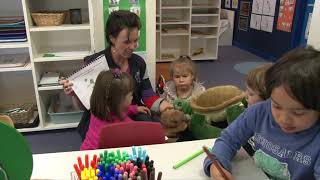
Child is coloring a picture of a turtle and the teacher takes the opportunity to teach an impromptu lesson on Tucker the Turtle.
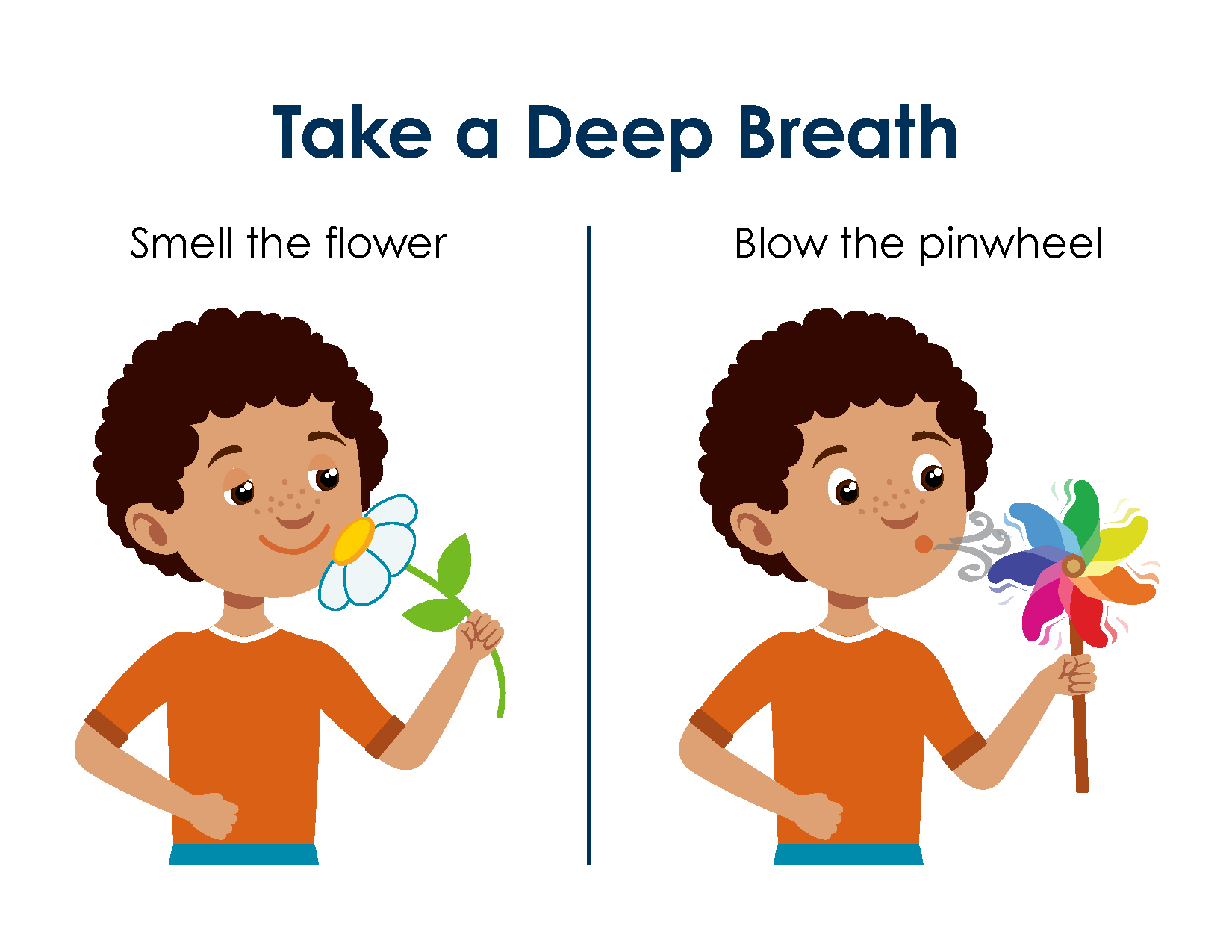
Use these strategies and visual to teach children self-regulation through controlled breathing and belly breathing.
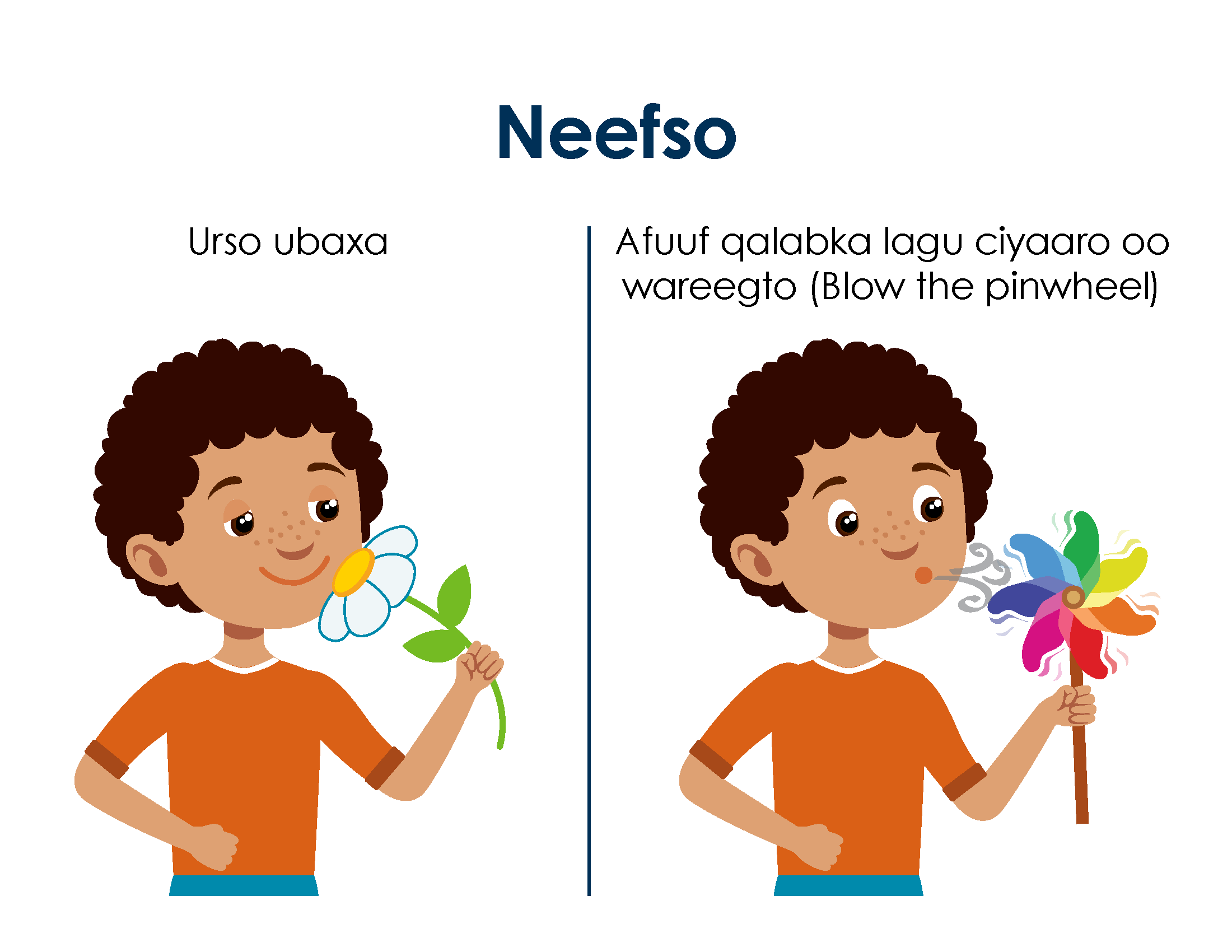
Use these strategies and visual to teach children self-regulation through controlled breathing and belly breathing.
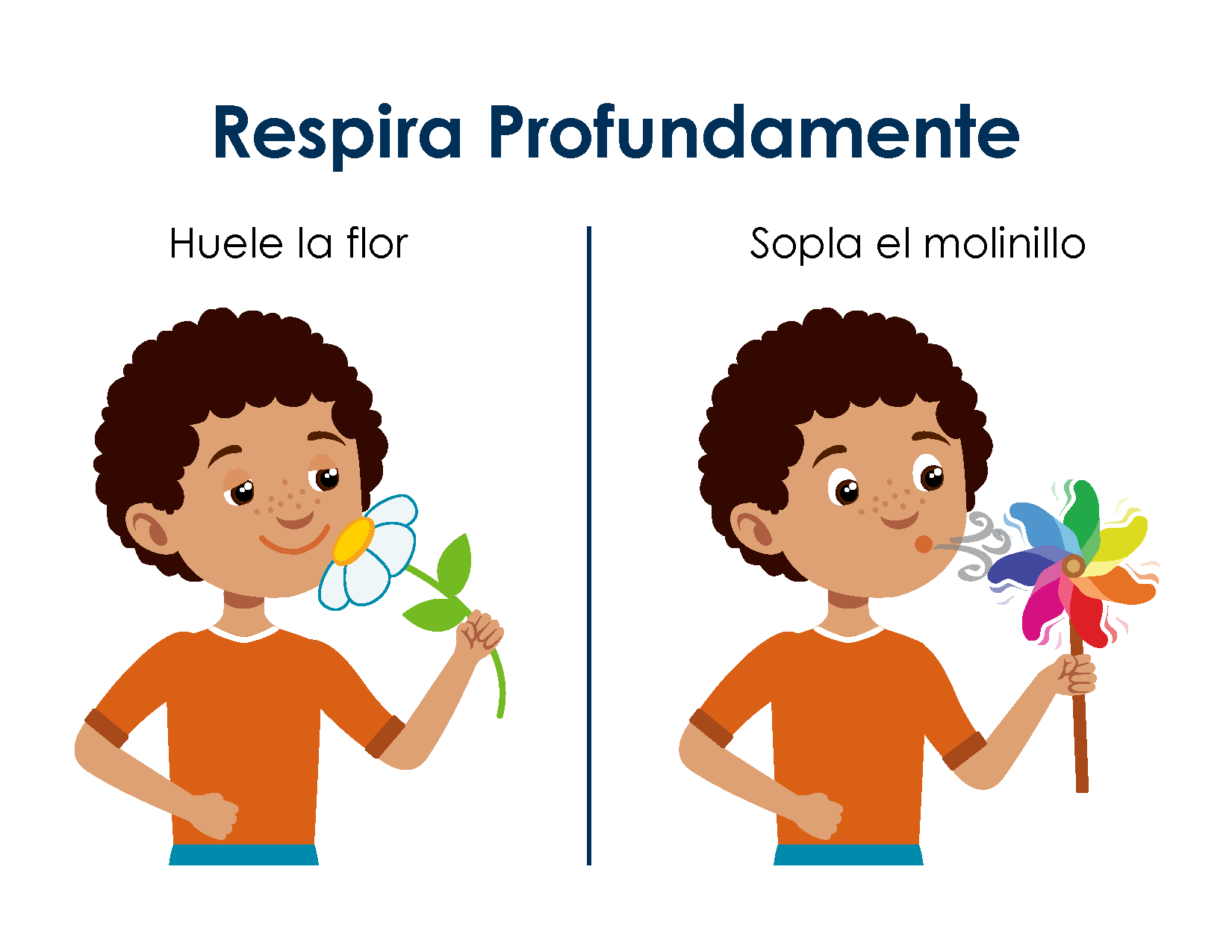
Use these strategies and visual to teach children self-regulation through controlled breathing and belly breathing.

Use this visual and strategies to teach children how to calm down.
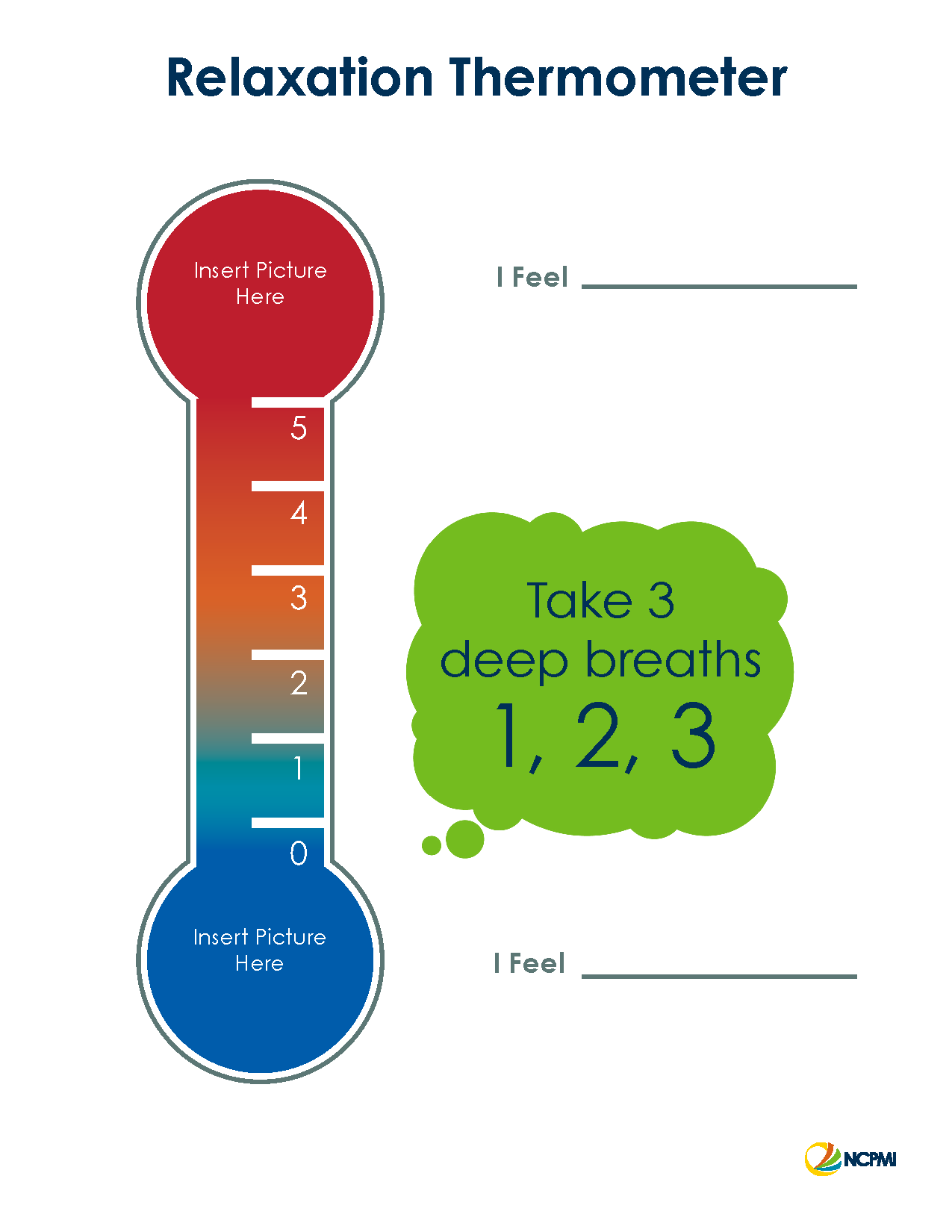
Use this visual and strategies to teach children how to calm down. This version allows for the user to customize with their own photos and choice of feelings.
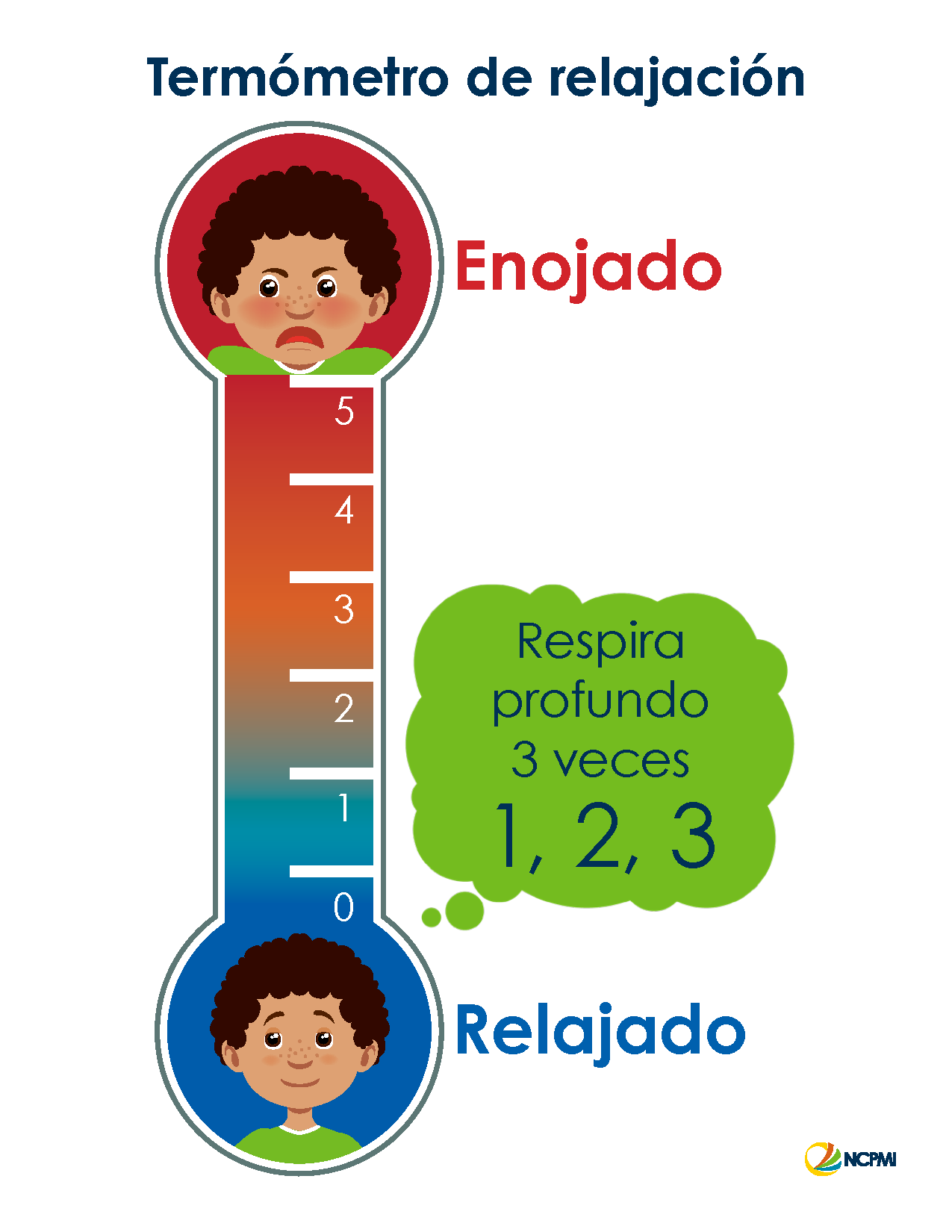
Use this visual and strategies to teach children how to calm down.
Use this visual and strategies to teach children how to calm down.
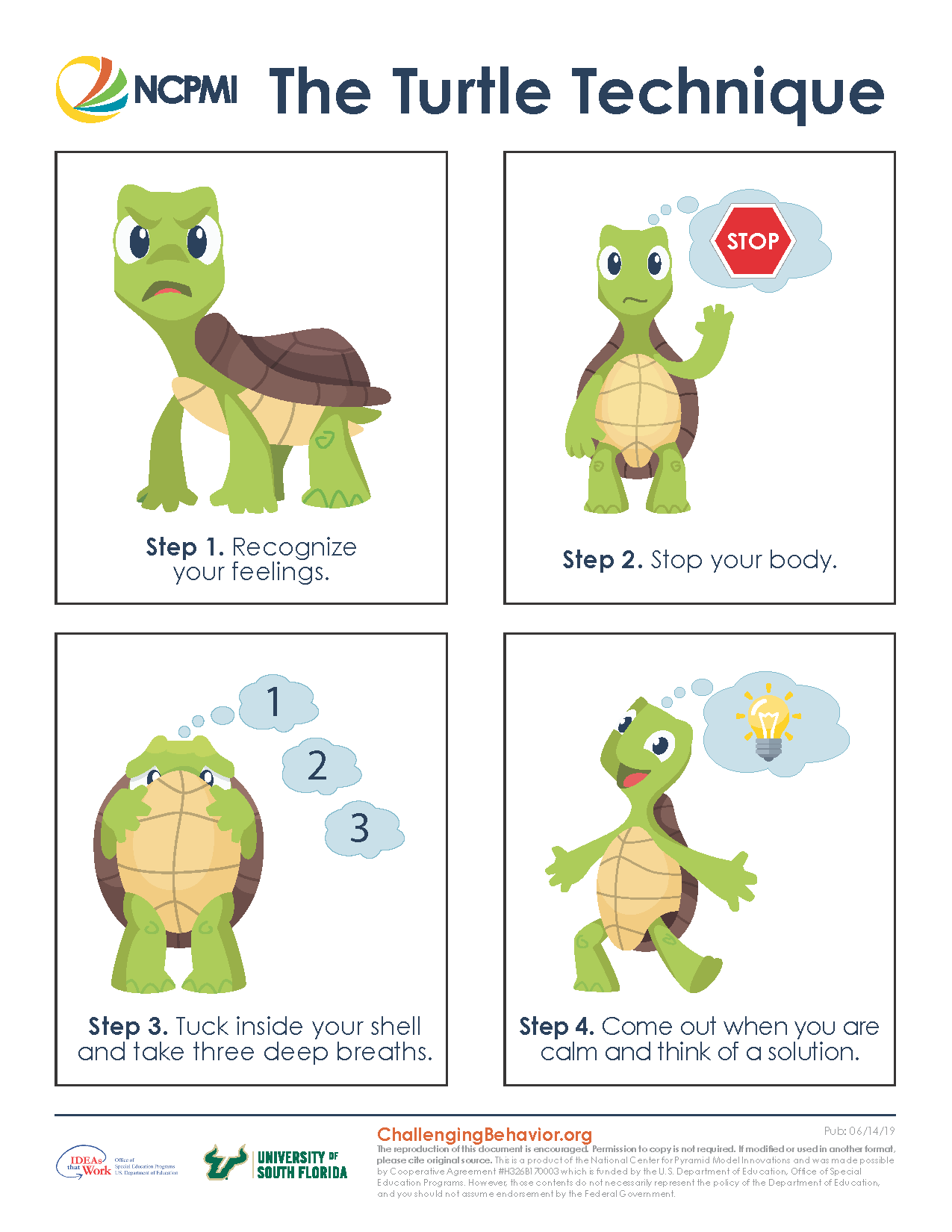
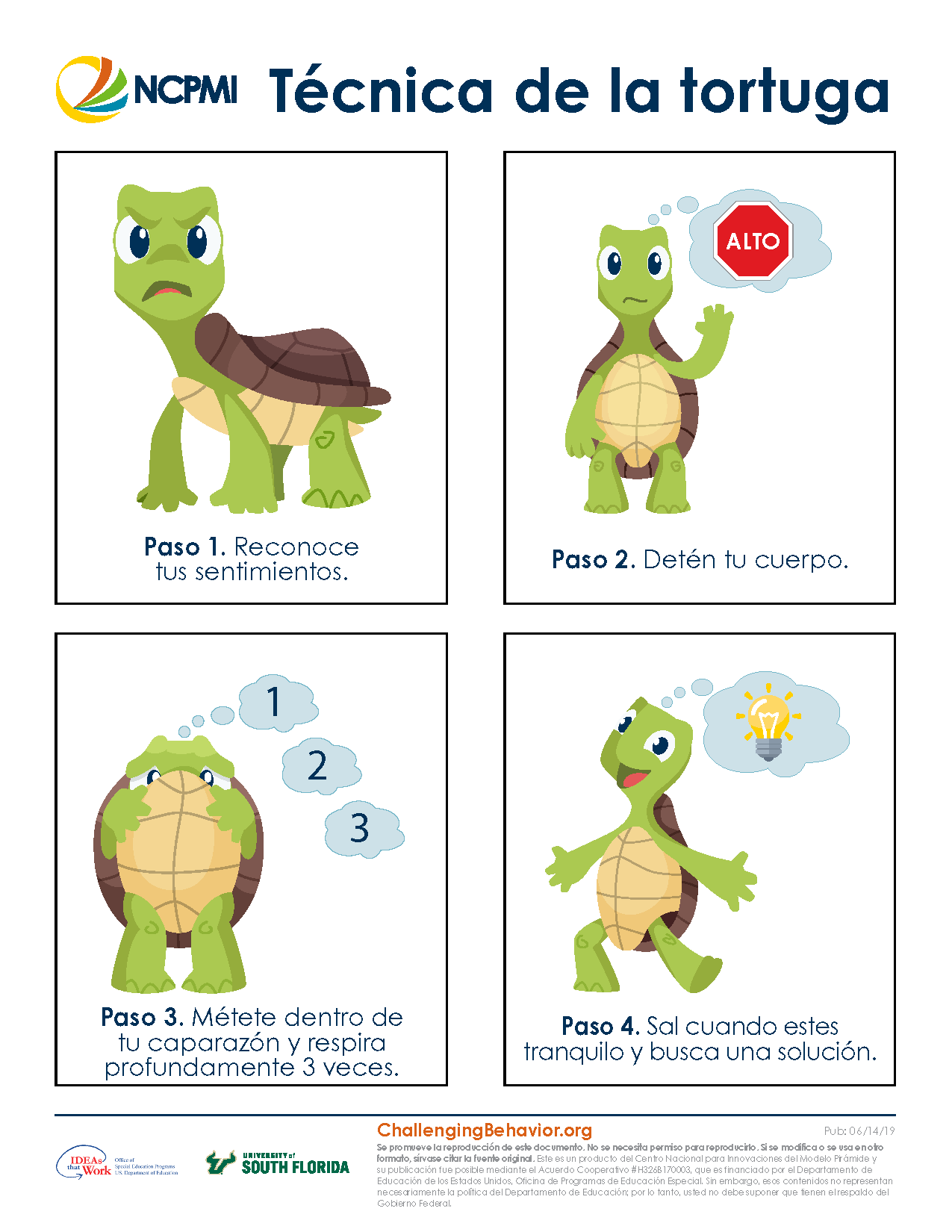
(Técnica de la tortuga) Turtle technique cards for teaching in Spanish

Caregivers can use the strategies in the infographic to provide infants with predictability in their day, and safety in relationships- all to support healthy attachment. Infants rely on the adults in their lives to read their cues, and help them to regulate as they adapt to their world. Responsive and positive interactions between infants and their caregivers help to build a strong attachment relationship. Positive attachment relationships support healthy brain development, and set babies up for success to learn about their emotions and build relationships as they grow into toddlers and preschoolers.
Caregivers can use the strategies in the infographic to provide infants with predictability in their day, and safety in relationships- all to support healthy attachment. Infants rely on the adults in their lives to read their cues, and help them to regulate as they adapt to their world. Responsive and positive interactions between infants and their caregivers help to build a strong attachment relationship. Positive attachment relationships support healthy brain development, and set babies up for success to learn about their emotions and build relationships as they grow into toddlers and preschoolers.
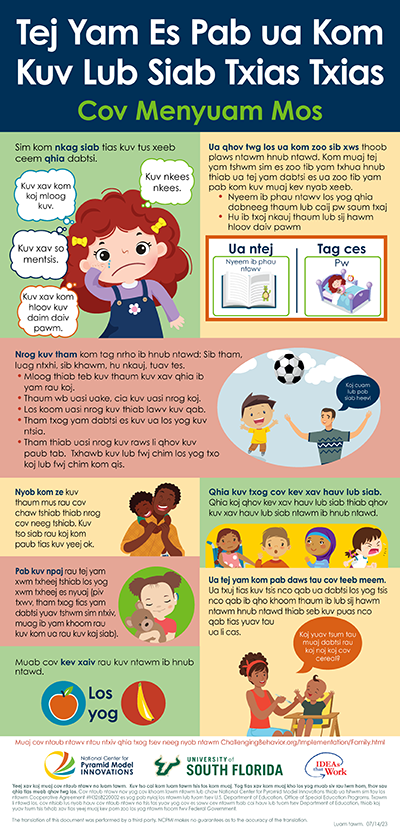
Toddlers experience big emotions as they learn to make meaning of their world and communicate their needs. Toddlers look to their primary caregivers to let them what they are experiencing is okay. Caregivers can use the strategies included in this infographic to provide toddlers with predictability in their day, safety in relationships, meaning to their experiences and emotions, and begin to build their problem-solving skills.
The translation of this document was performed by a third party. NCPMI makes no guarantees as to the accuracy of the translation.
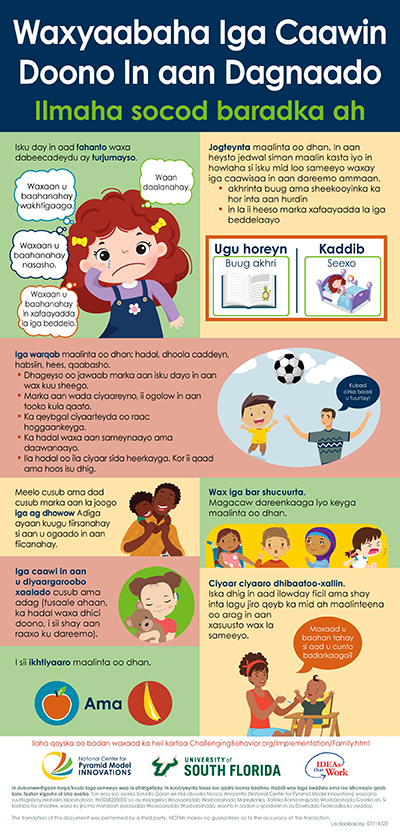
Toddlers experience big emotions as they learn to make meaning of their world and communicate their needs. Toddlers look to their primary caregivers to let them what they are experiencing is okay. Caregivers can use the strategies included in this infographic to provide toddlers with predictability in their day, safety in relationships, meaning to their experiences and emotions, and begin to build their problem-solving skills.
The translation of this document was performed by a third party. NCPMI makes no guarantees as to the accuracy of the translation.
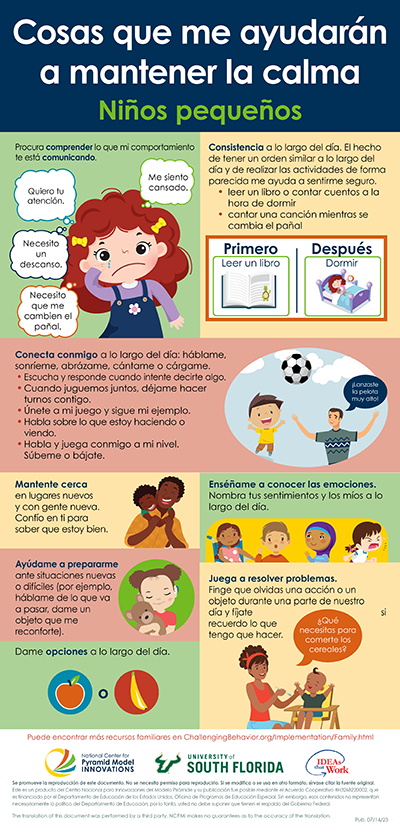
Toddlers experience big emotions as they learn to make meaning of their world and communicate their needs. Toddlers look to their primary caregivers to let them what they are experiencing is okay. Caregivers can use the strategies included in this infographic to provide toddlers with predictability in their day, safety in relationships, meaning to their experiences and emotions, and begin to build their problem-solving skills.
The translation of this document was performed by a third party. NCPMI makes no guarantees as to the accuracy of the translation.

Song and finger play to reinforce teaching the Turtle Technique to children.
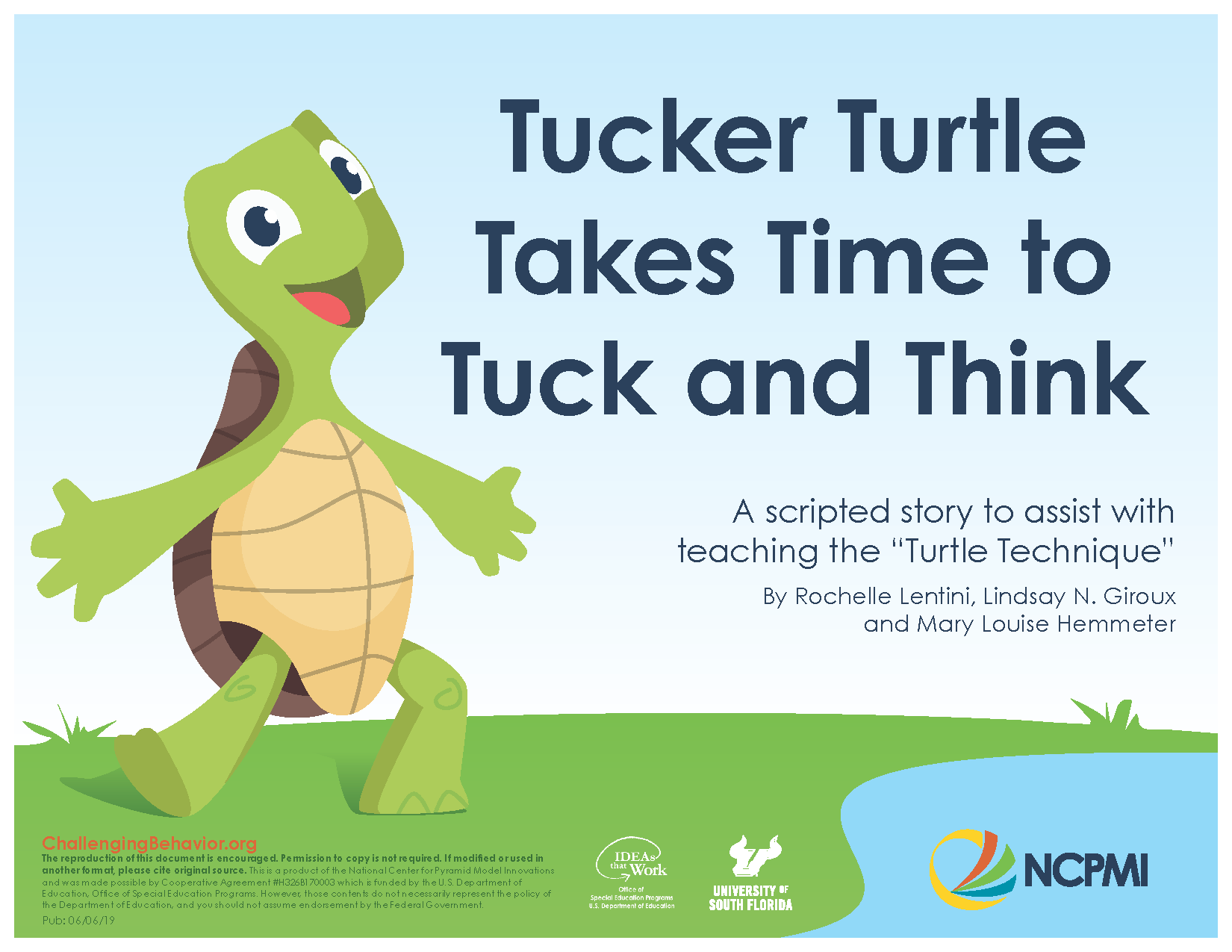
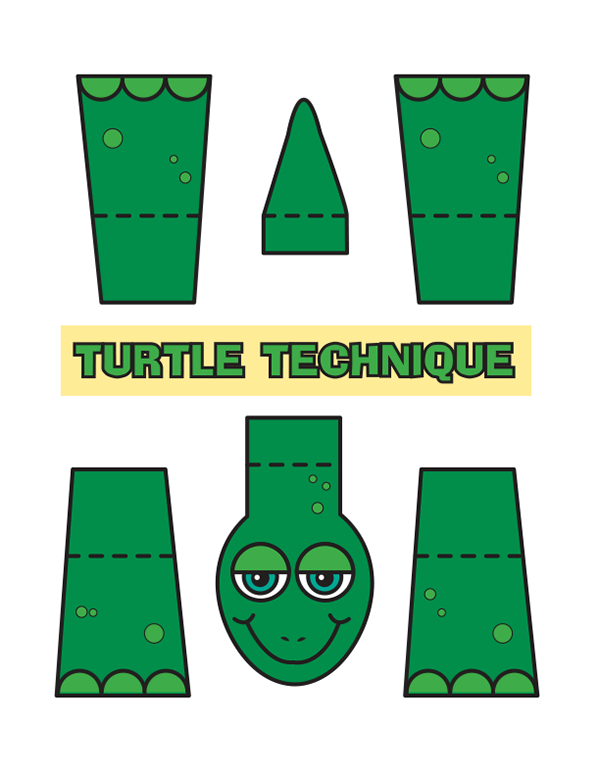
Tucker the Turtle provides a scripted story to teach young children how to calm down when they have strong feelings by tucking into their shell and taking deep breaths. The story also includes visuals to help children learn how to use the strategy.?

(La tortuga Tucker toma tiempo para detenerse y pensar) Tucker the Turtle provides a scripted story to teach young children how to calm down when they have strong feelings by tucking into their shell and taking deep breaths. The story also includes visuals to help children learn how to use the strategy.
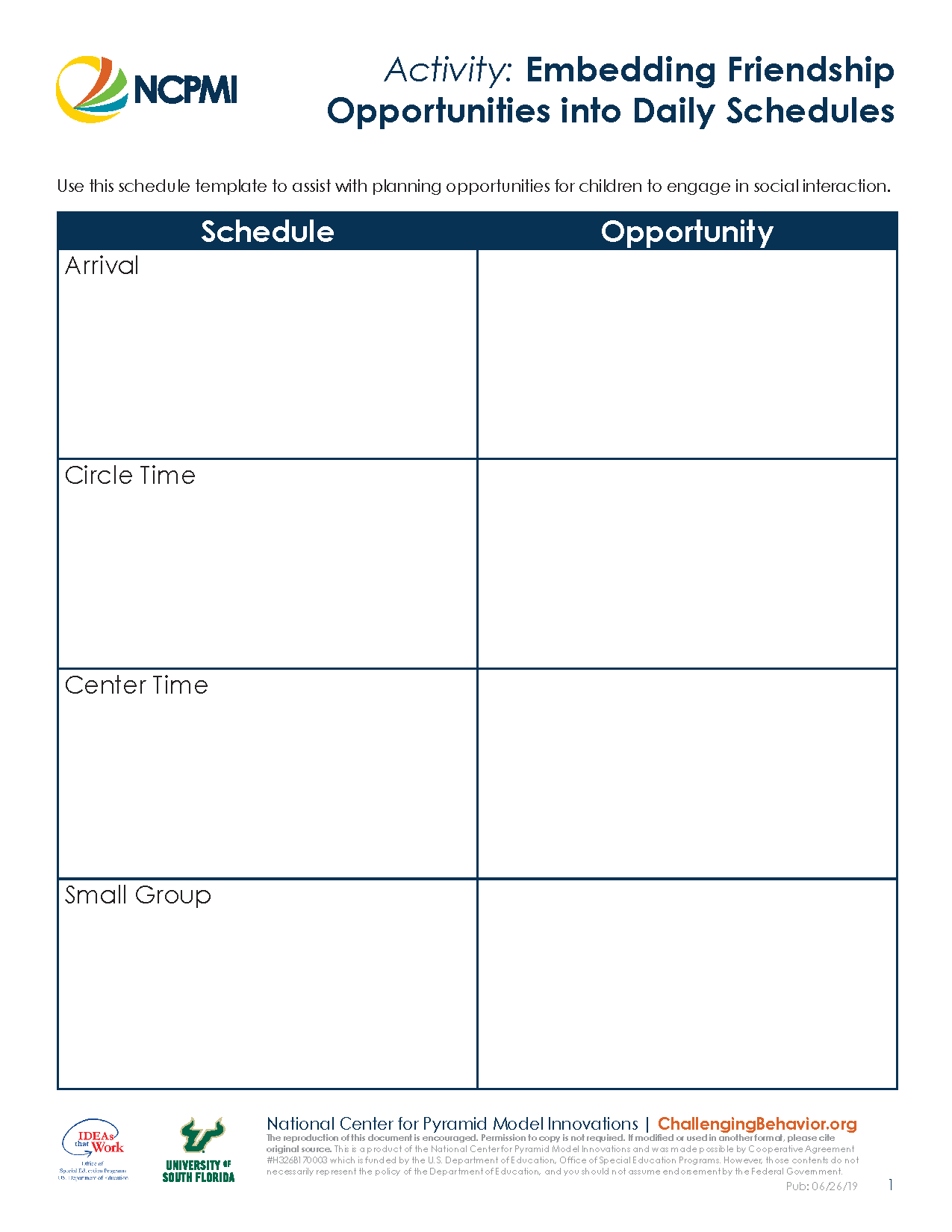
Use this schedule template to assist with planning opportunities for children to engage in social interaction.
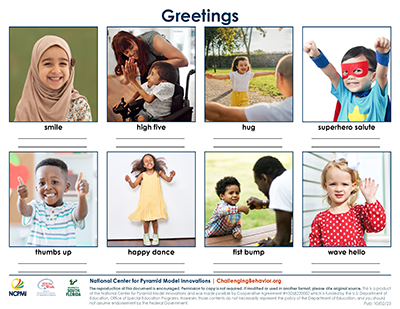
Use this visual choice board to help young children select and use a classroom greeting. Options include contact and contactless greetings. Includes a blank space for teachers to insert their language translations as needed.
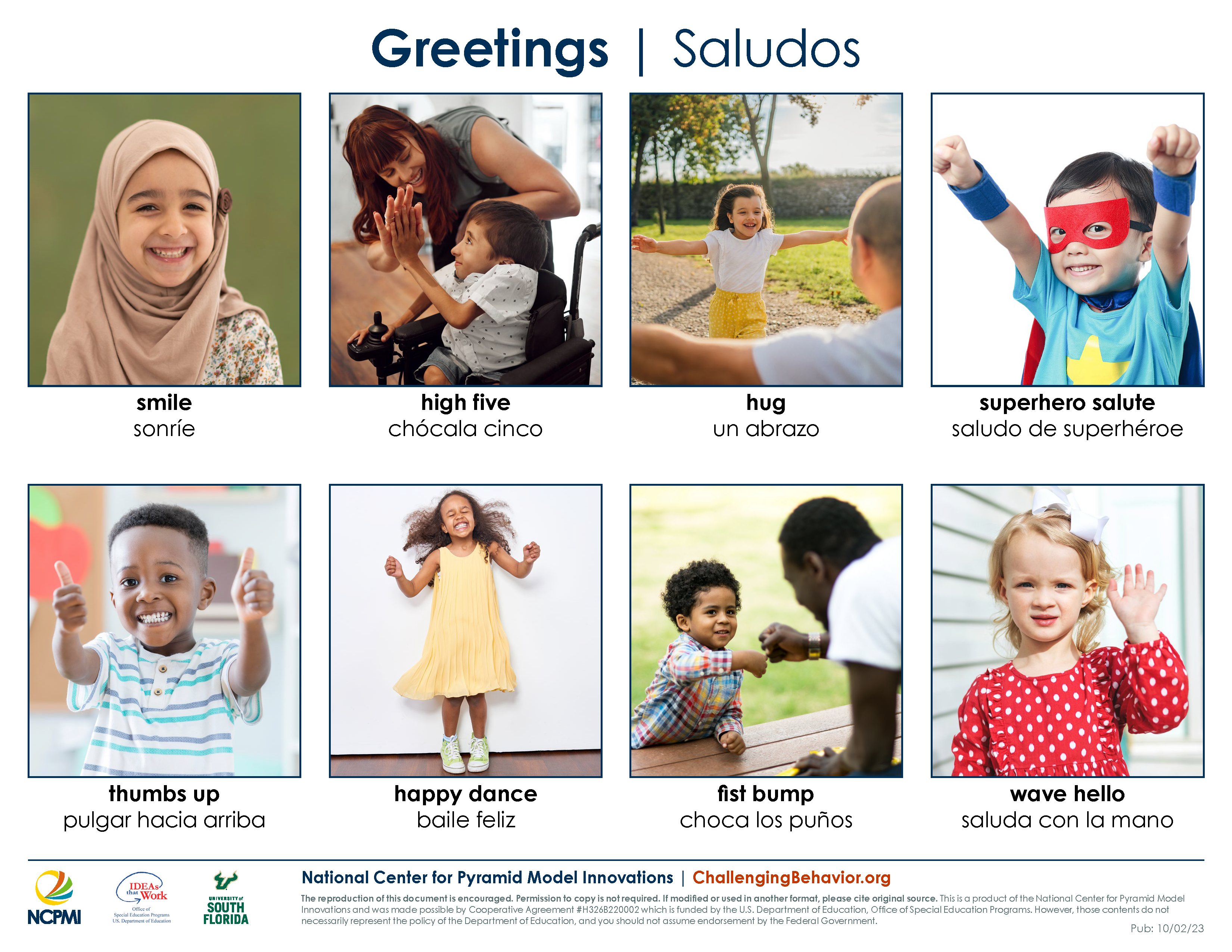
Use this visual choice board to help young children select and use a classroom greeting. Options include contact and contactless greetings.

Use this visual choice board to help young children select and use a classroom greeting while maintaining social distancing. Includes a blank space for teachers to insert their language translations as needed.

Use this visual choice board to help young children select and use a classroom greeting while maintaining social distancing.
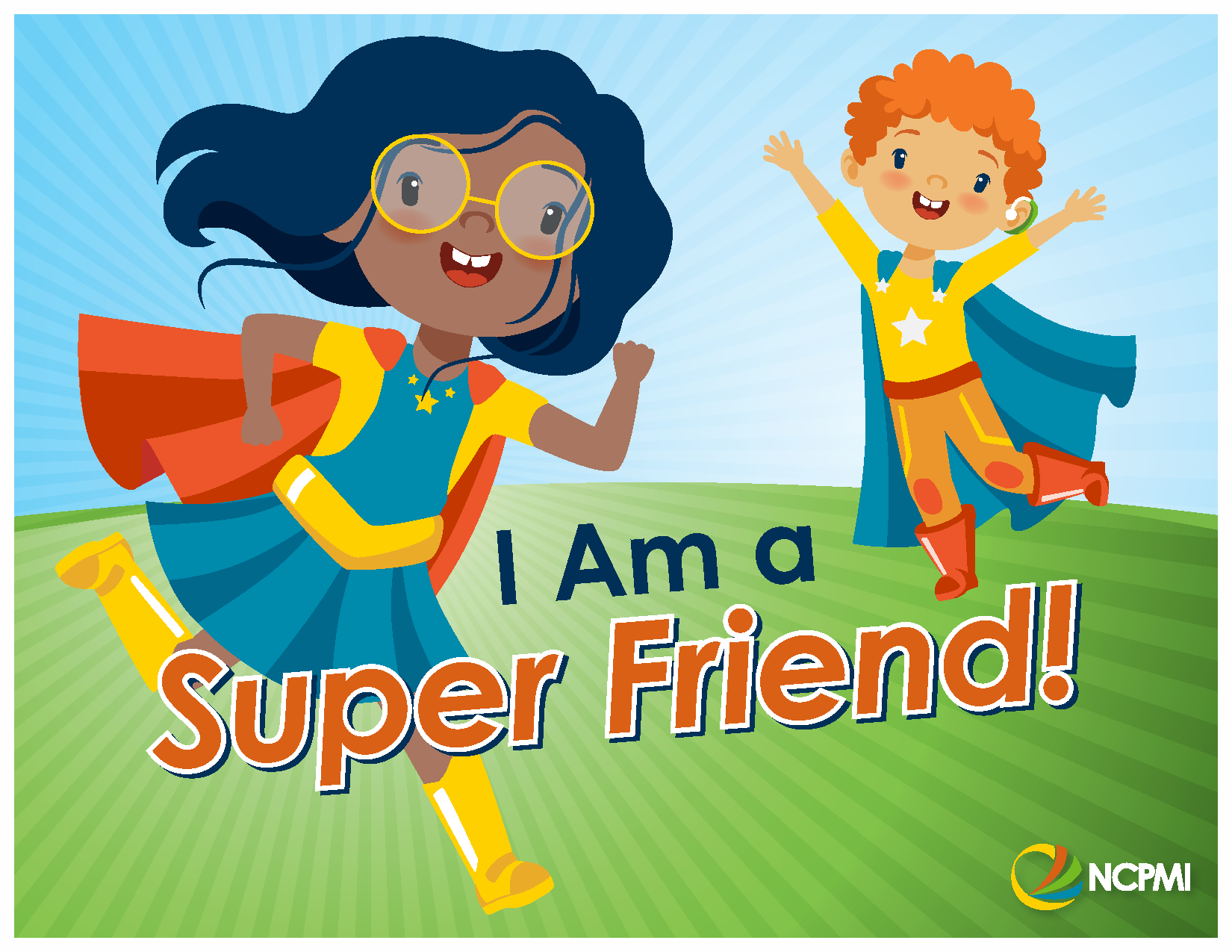
Scripted Stories for Social Situations help children understand social interactions, situations, expectations, social cues, the script of unfamiliar activities, and/or social rules.
Scripted Stories for Social Situations help children understand social interactions, situations, expectations, social cues, the script of unfamiliar activities, and/or social rules.

Scripted Stories for Social Situations help children understand social interactions, situations, expectations, social cues, the script of unfamiliar activities, and/or social rules.
Scripted Stories for Social Situations help children understand social interactions, situations, expectations, social cues, the script of unfamiliar activities, and/or social rules.
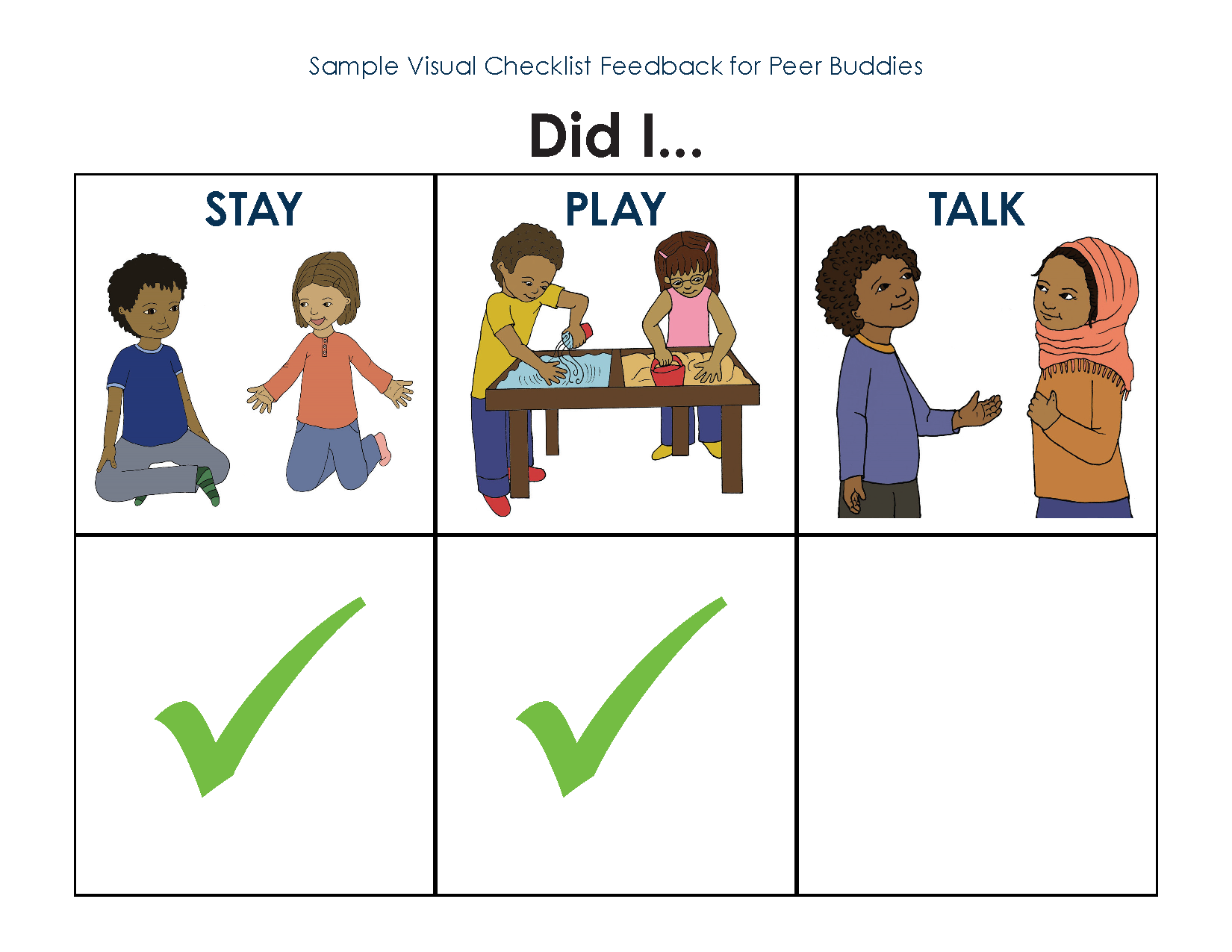
This resource helps adults teach peer buddies the steps in Stay-Play-Talk, a peer-mediated intervention for increasing social interactions.
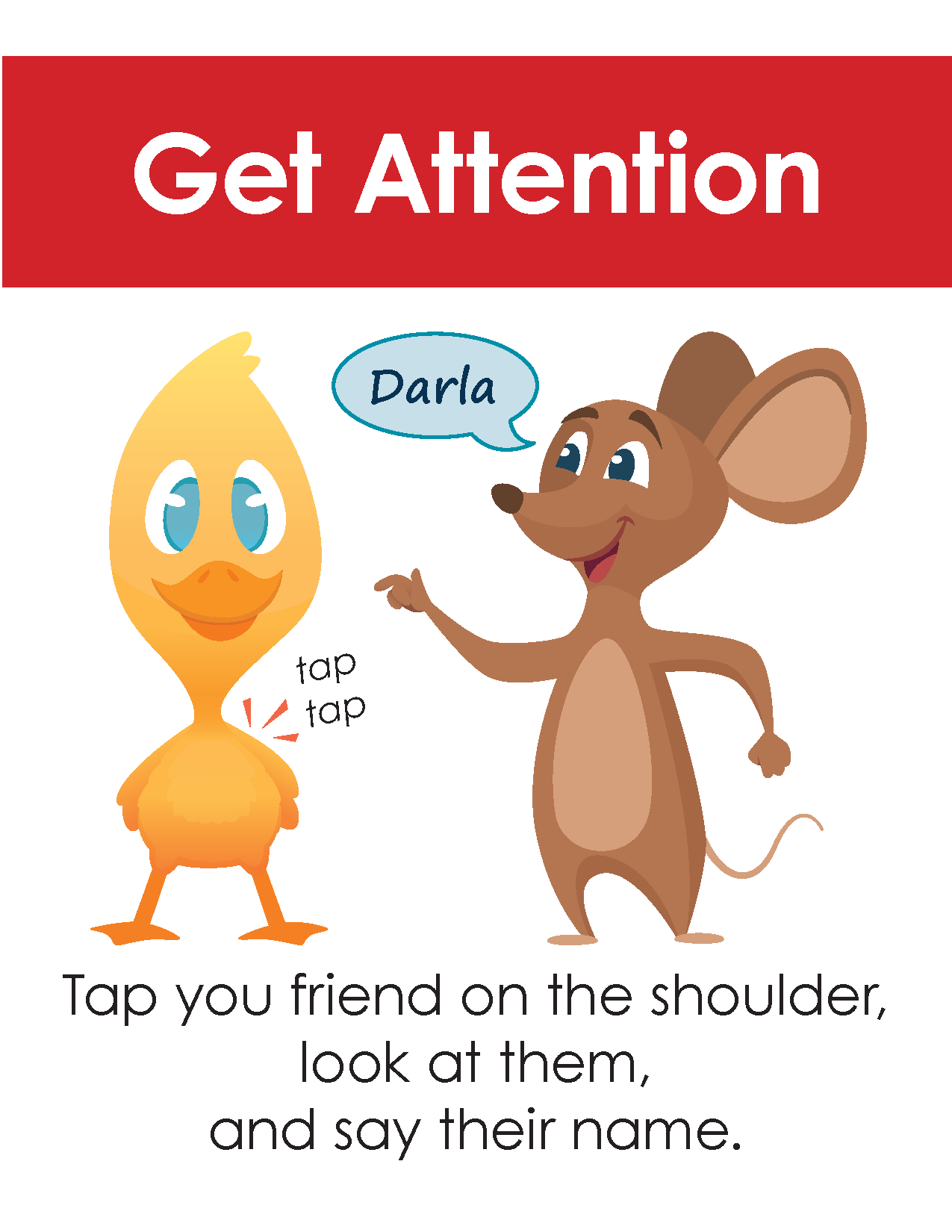
Social Skills posters to 1) display when giving descriptions of the skill and 2) serve as a reminders to children when they are involved in a play activity. By referencing the posters and giving verbal reminders, you can prompt children to use the skills they have learned.
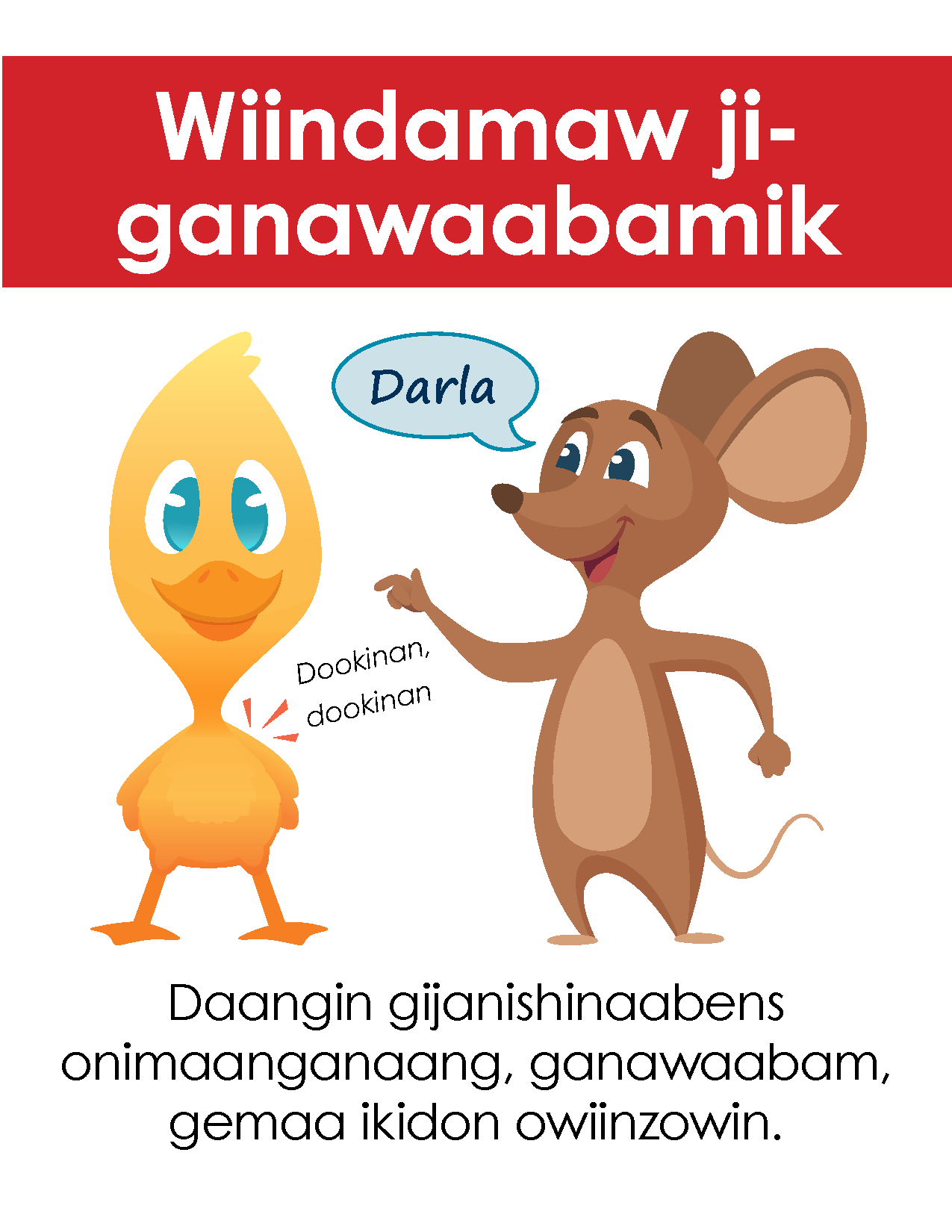
Social Skills posters to 1) display when giving descriptions of the skill and 2) serve as a reminders to children when they are involved in a play activity. By referencing the posters and giving verbal reminders, you can prompt children to use the skills they have learned.
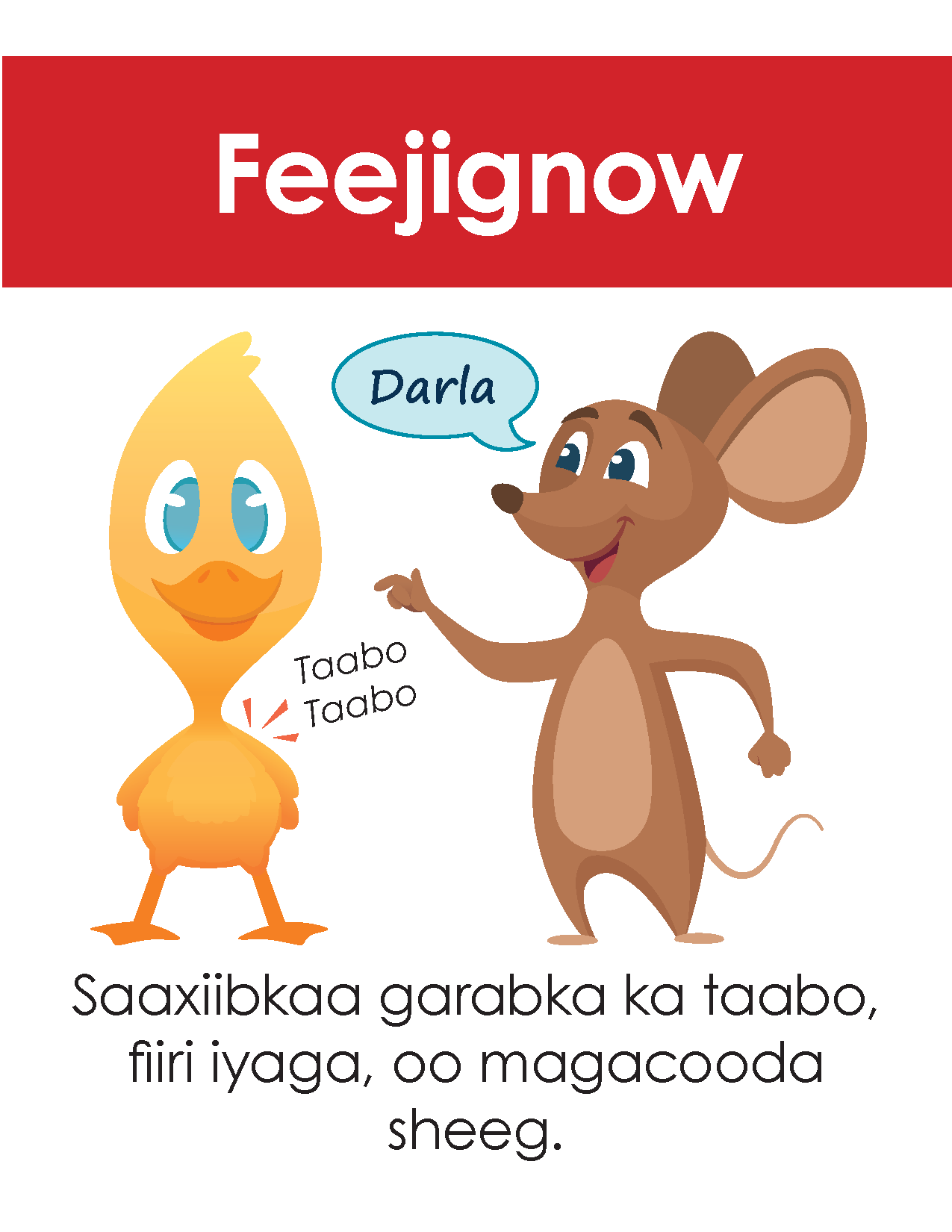
Social Skills posters to 1) display when giving descriptions of the skill and 2) serve as a reminders to children when they are involved in a play activity. By referencing the posters and giving verbal reminders, you can prompt children to use the skills they have learned.
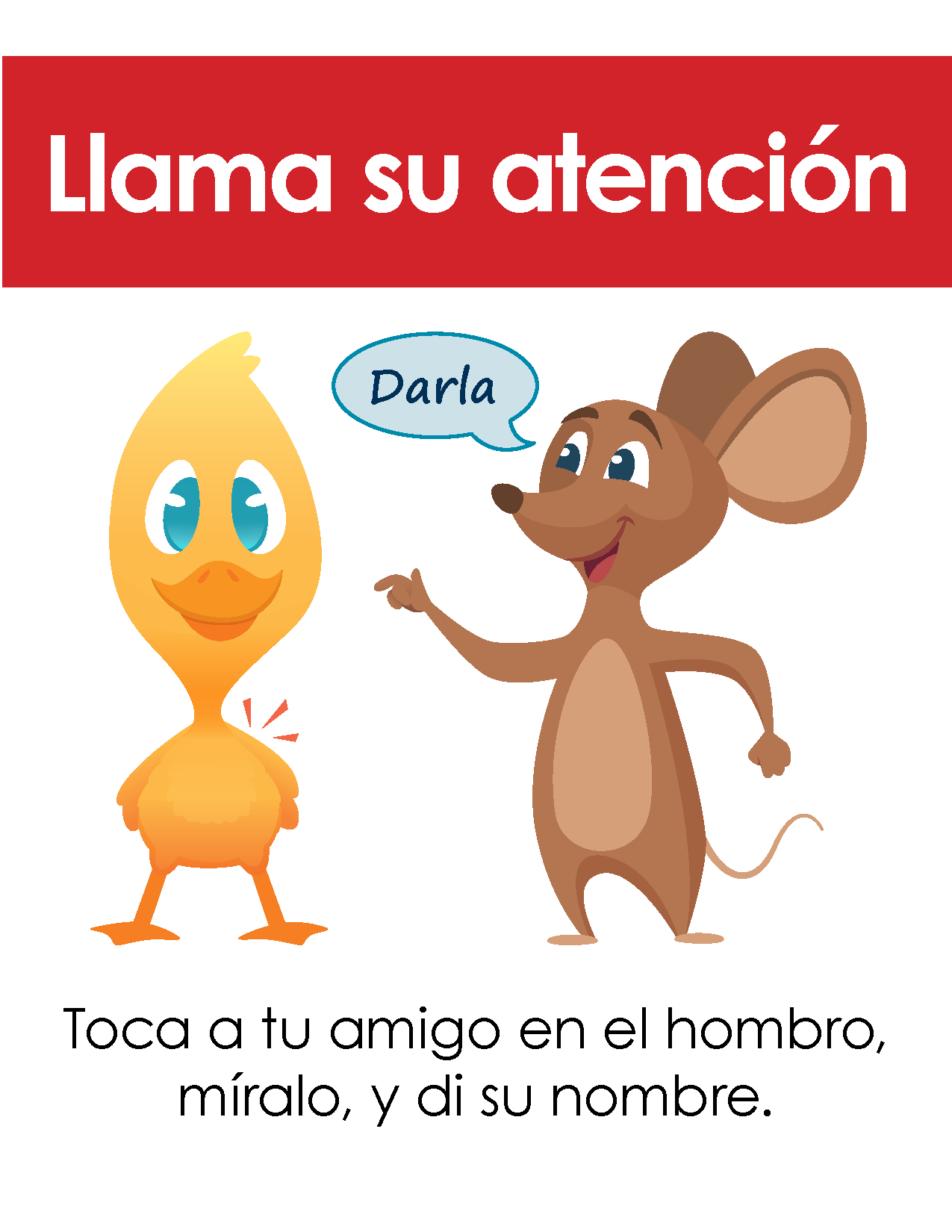
Social Skills posters to 1) display when giving descriptions of the skill and 2) serve as a reminders to children when they are involved in a play activity. By referencing the posters and giving verbal reminders, you can prompt children to use the skills they have learned.
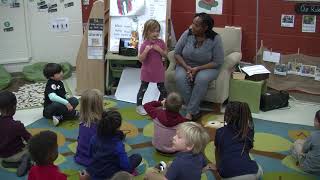
Teacher asks children to share how they were a super friend today.
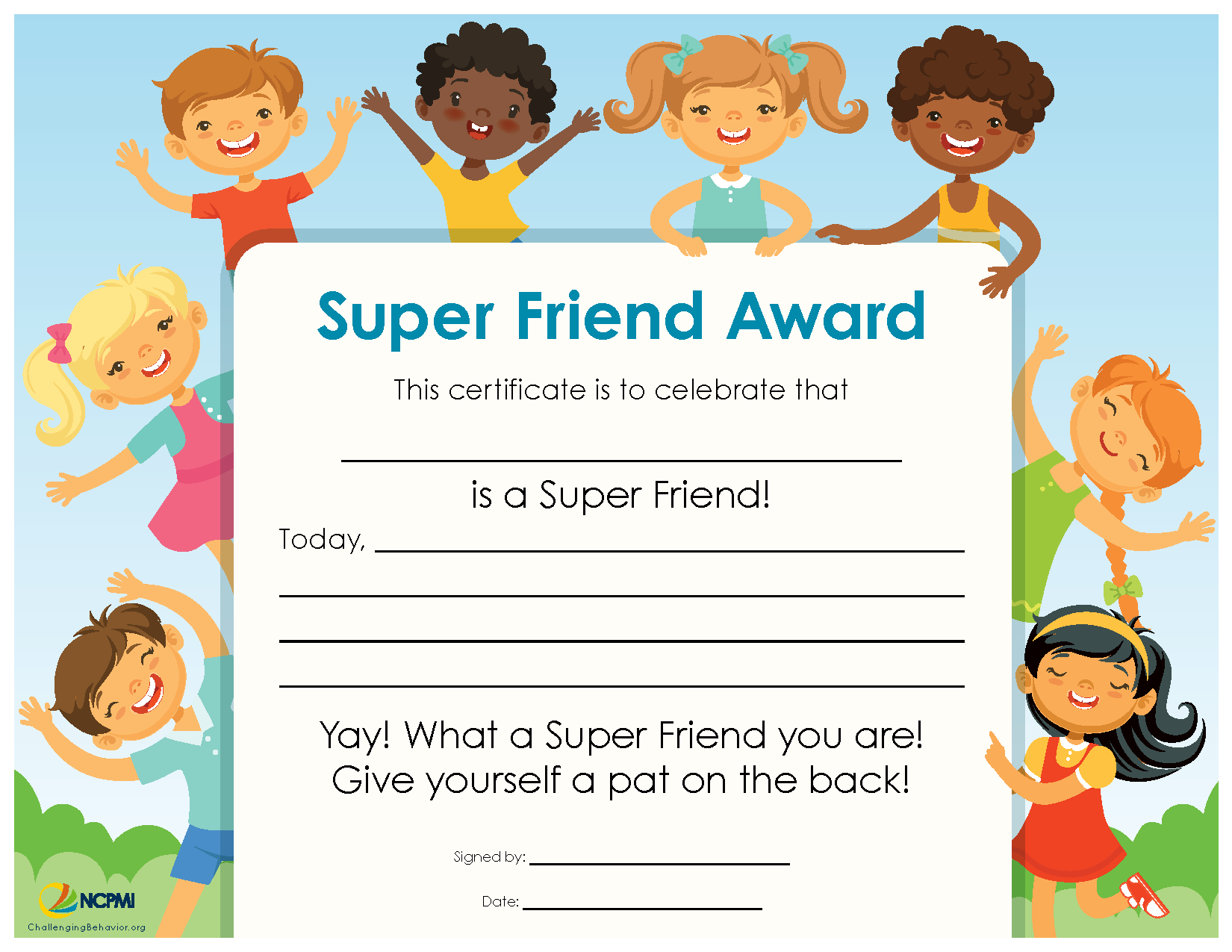
Use this certificate to acknowledge children’s friendship skills and communicate with families regarding friendship skills in the classroom.
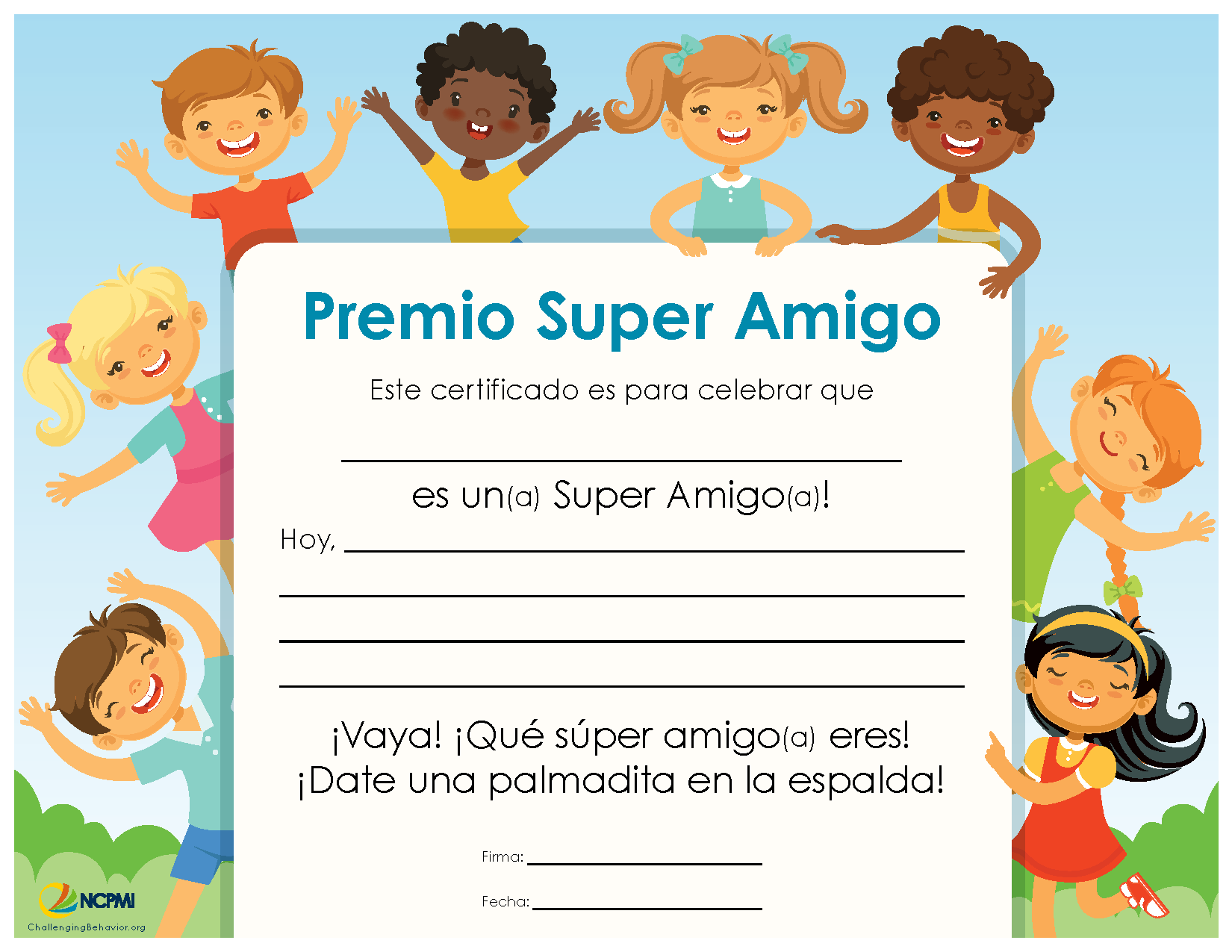
Use this certificate to acknowledge children’s friendship skills and communicate with families regarding friendship skills in the classroom.
Practical strategies article
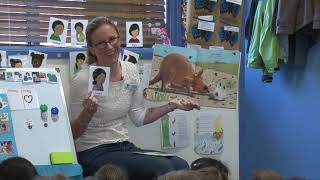
Teacher reads a story and talks about emotions with the children.
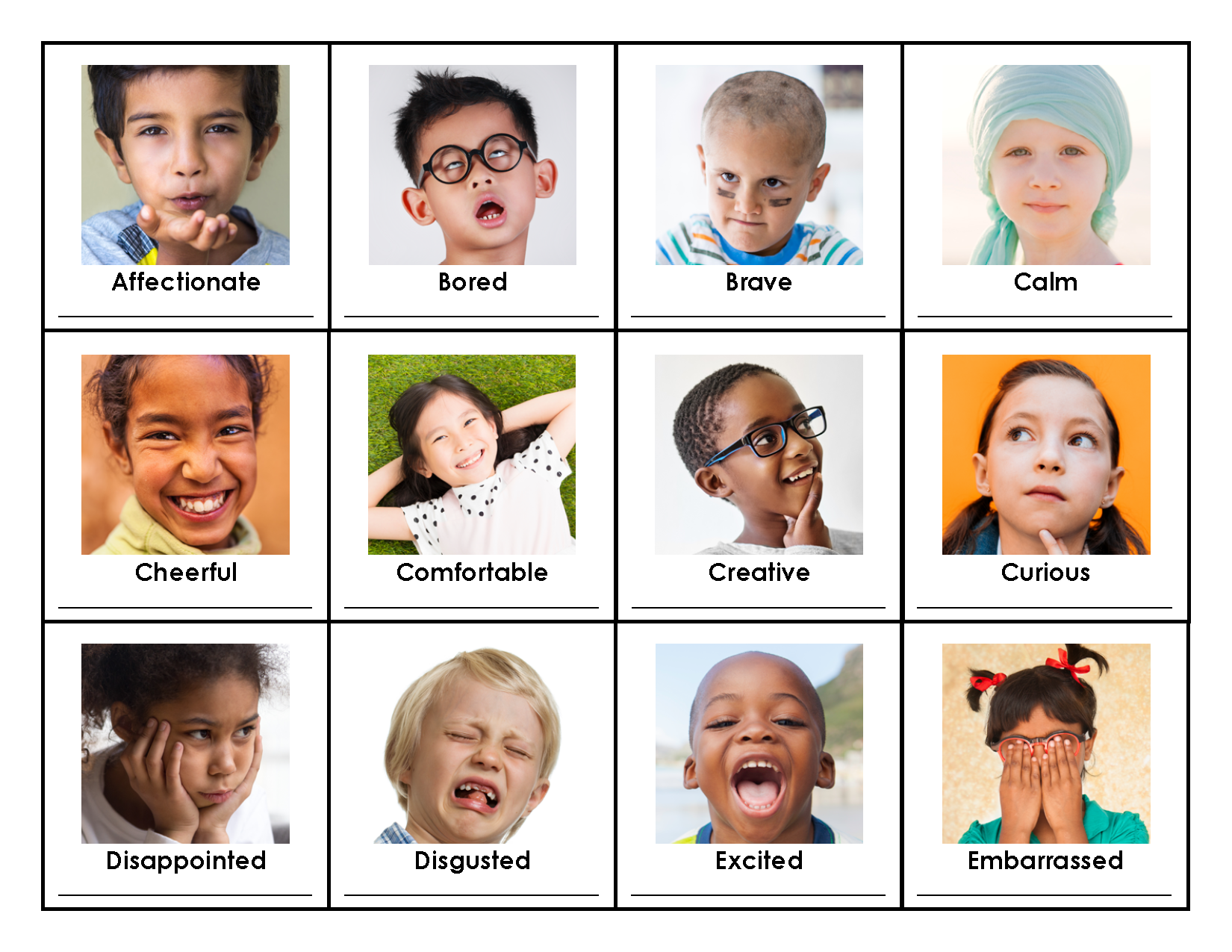
The Feeling Faces assist children with understanding their feelings and the feelings of others. It is important to teach children words to use to express feelings in replace of the use of challenging behavior. The feeling faces that follow can be used in a variety of ways to help children learn social emotional skills around use of emotional literacy and vocabulary.
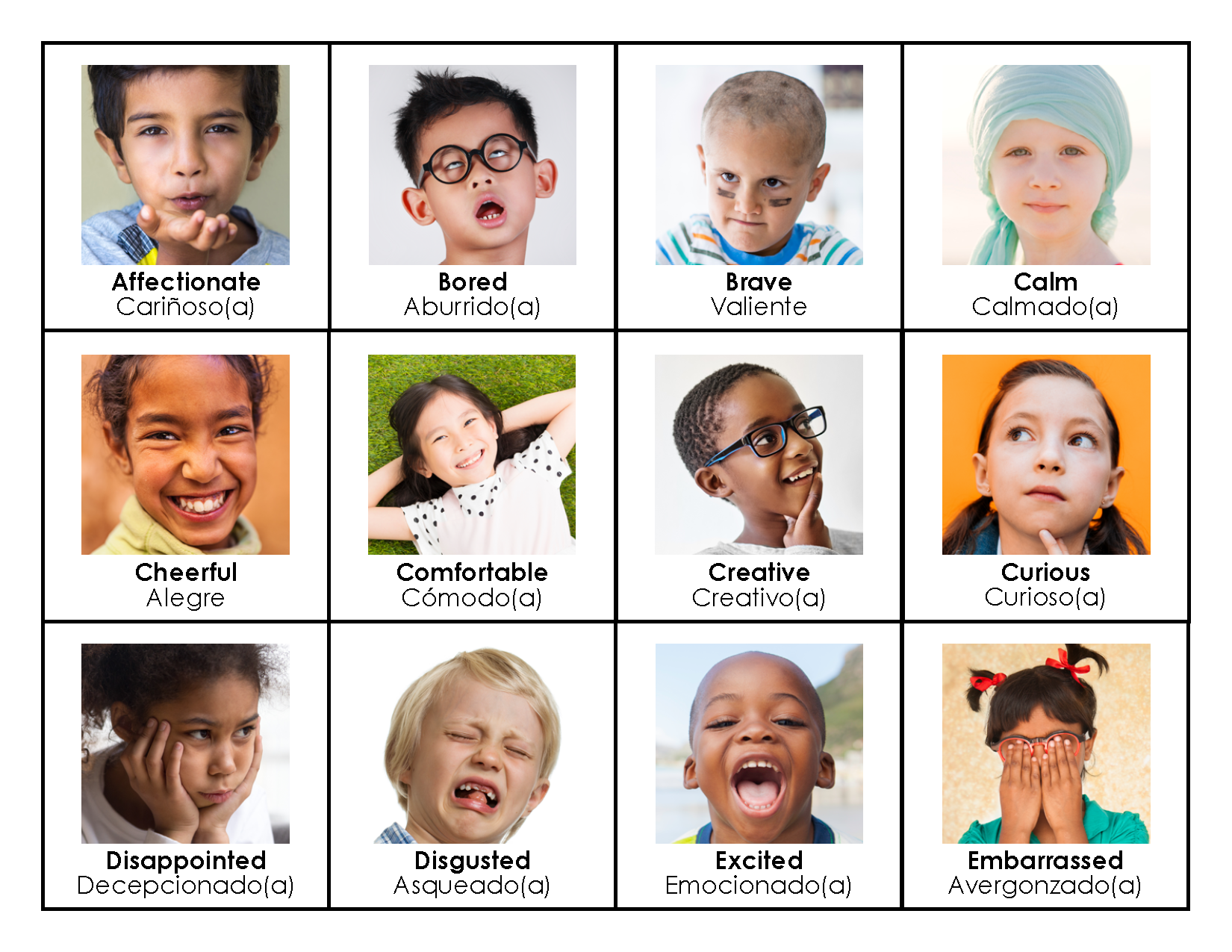
The Feeling Faces assist children with understanding their feelings and the feelings of others. It is important to teach children words to use to express feelings in replace of the use of challenging behavior. The feeling faces that follow can be used in a variety of ways to help children learn social emotional skills around use of emotional literacy and vocabulary.
The Feeling Faces assist children with understanding their feelings and the feelings of others. It is important to teach children words to use to express feelings in replace of the use of challenging behavior. The feeling faces that follow can be used in a variety of ways to help children learn social emotional skills around use of emotional literacy and vocabulary.

The Feeling Faces assist children with understanding their feelings and the feelings of others. It is important to teach children words to use to express feelings in replace of the use of challenging behavior. The feeling faces that follow can be used in a variety of ways to help children learn social emotional skills around use of emotional literacy and vocabulary.
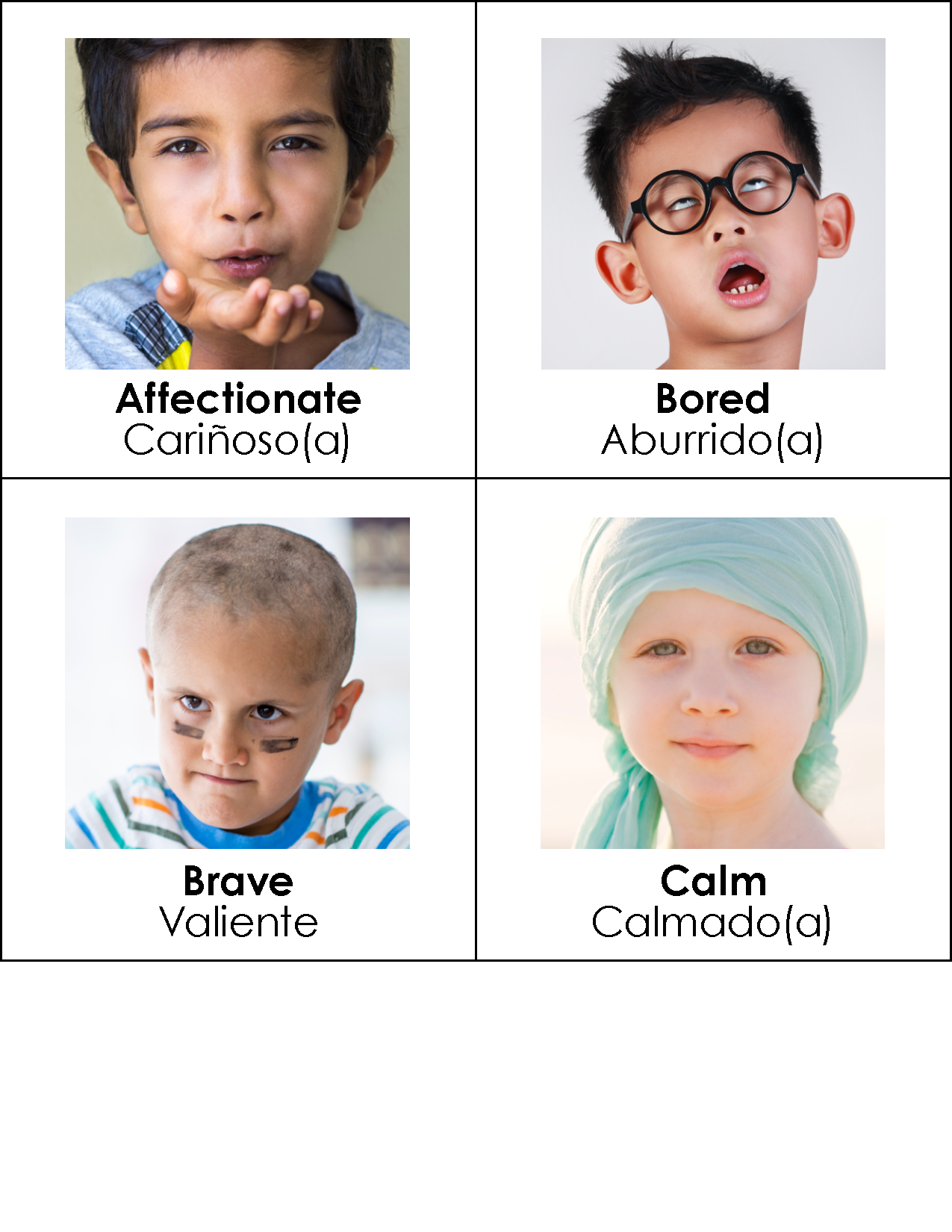
The Feeling Faces assist children with understanding their feelings and the feelings of others. It is important to teach children words to use to express feelings in replace of the use of challenging behavior. The feeling faces that follow can be used in a variety of ways to help children learn social emotional skills around use of emotional literacy and vocabulary.
The Feeling Faces assist children with understanding their feelings and the feelings of others. It is important to teach children words to use to express feelings in replace of the use of challenging behavior. The feeling faces that follow can be used in a variety of ways to help children learn social emotional skills around use of emotional literacy and vocabulary.
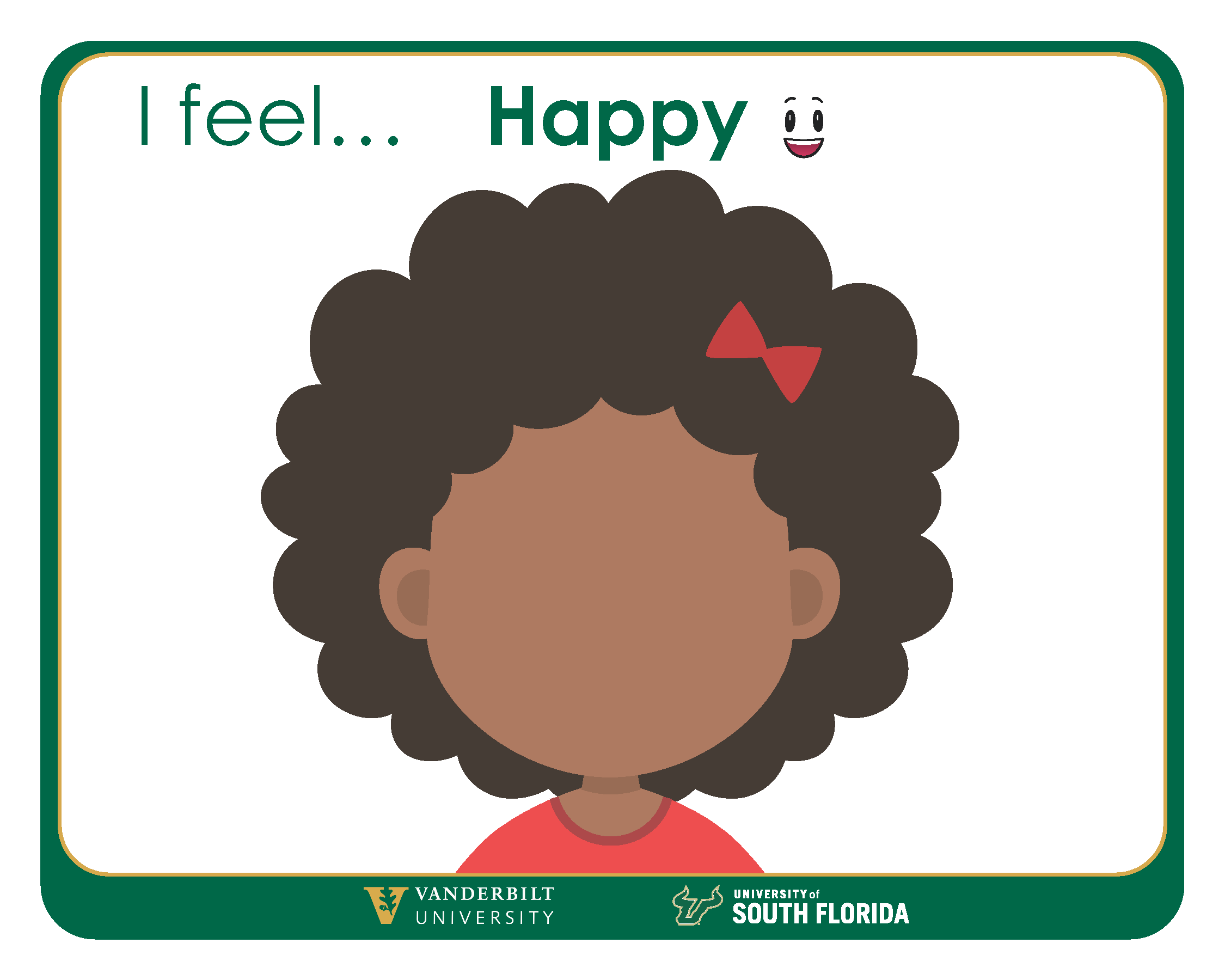
Print and laminate these placemats for a fun way to embed emotional literacy practice at home or at school. Each mat provides a blank face paired with a feeling word and emoticon that children can use to model the feeling faces. Use the mats to make feeling faces out of play dough or other sand/clay material. Laminated mats can also be used with dry erase markers for easy wipe off when play is done.
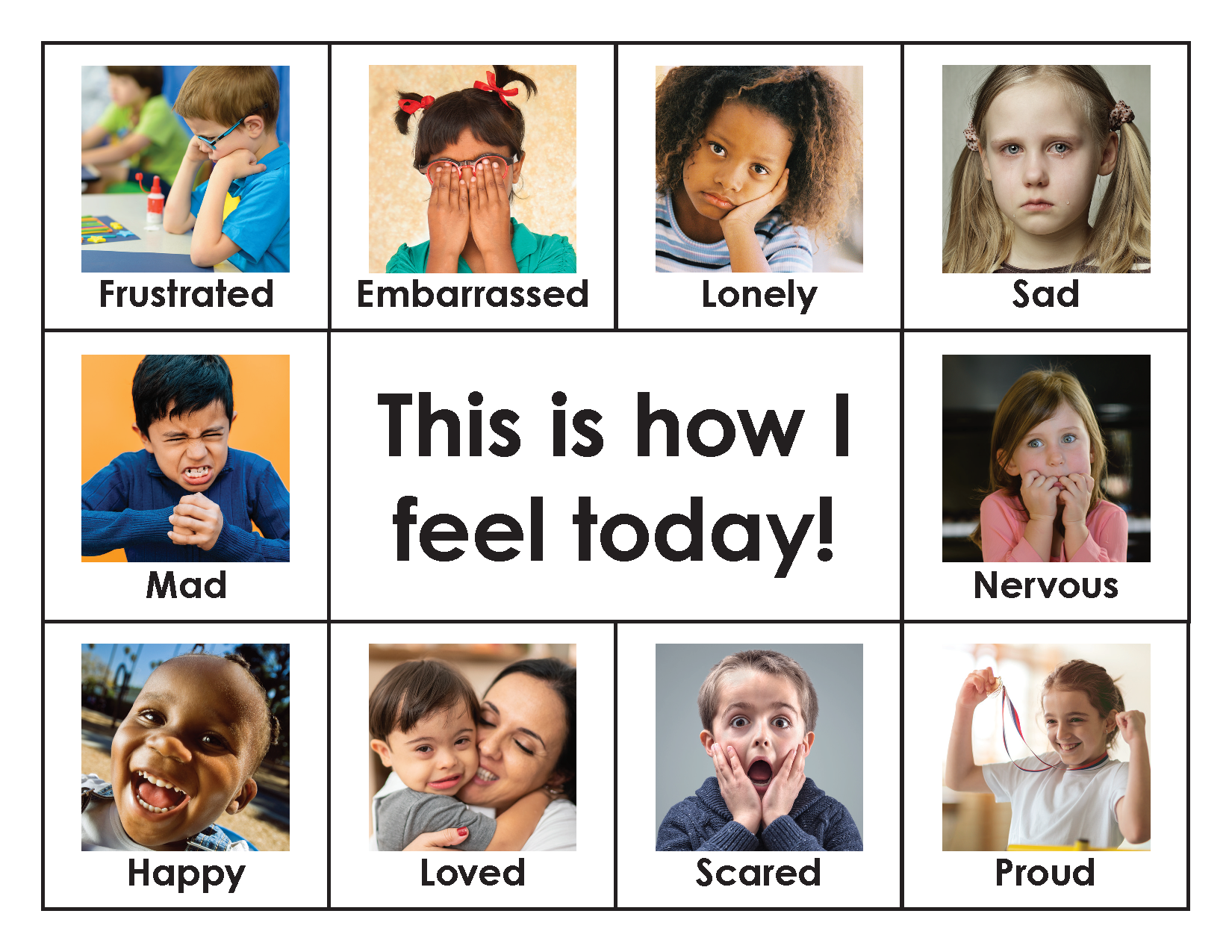
The Feeling Faces assist children with understanding their feelings and the feelings of others. It is important to teach children words to use to express feelings in replace of the use of challenging behavior. The feeling faces that follow can be used in a variety of ways to help children learn social emotional skills around use of emotional literacy and vocabulary.
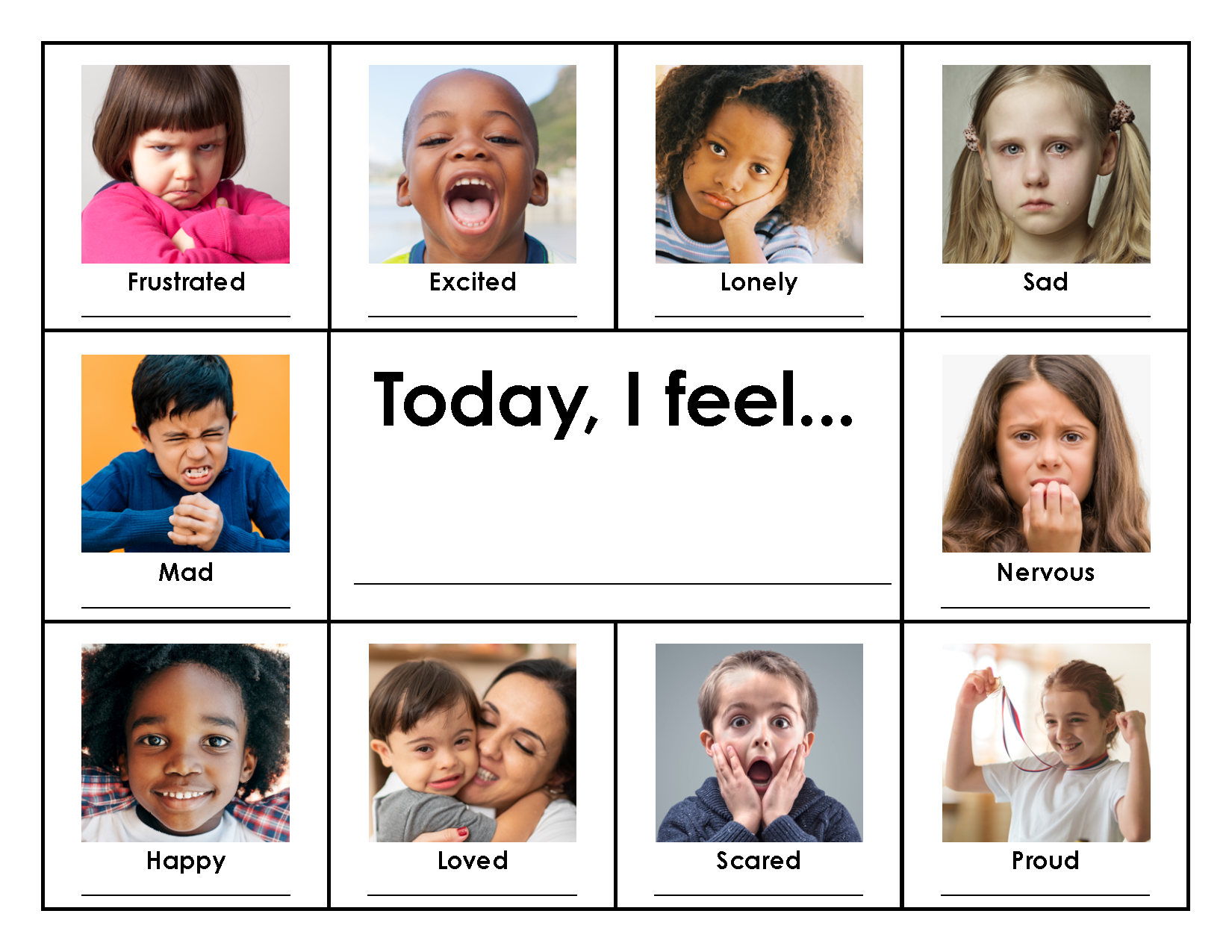
The Feeling Faces assist children with understanding their feelings and the feelings of others. It is important to teach children words to use to express feelings in replace of the use of challenging behavior. The feeling faces that follow can be used in a variety of ways to help children learn social emotional skills around use of emotional literacy and vocabulary.
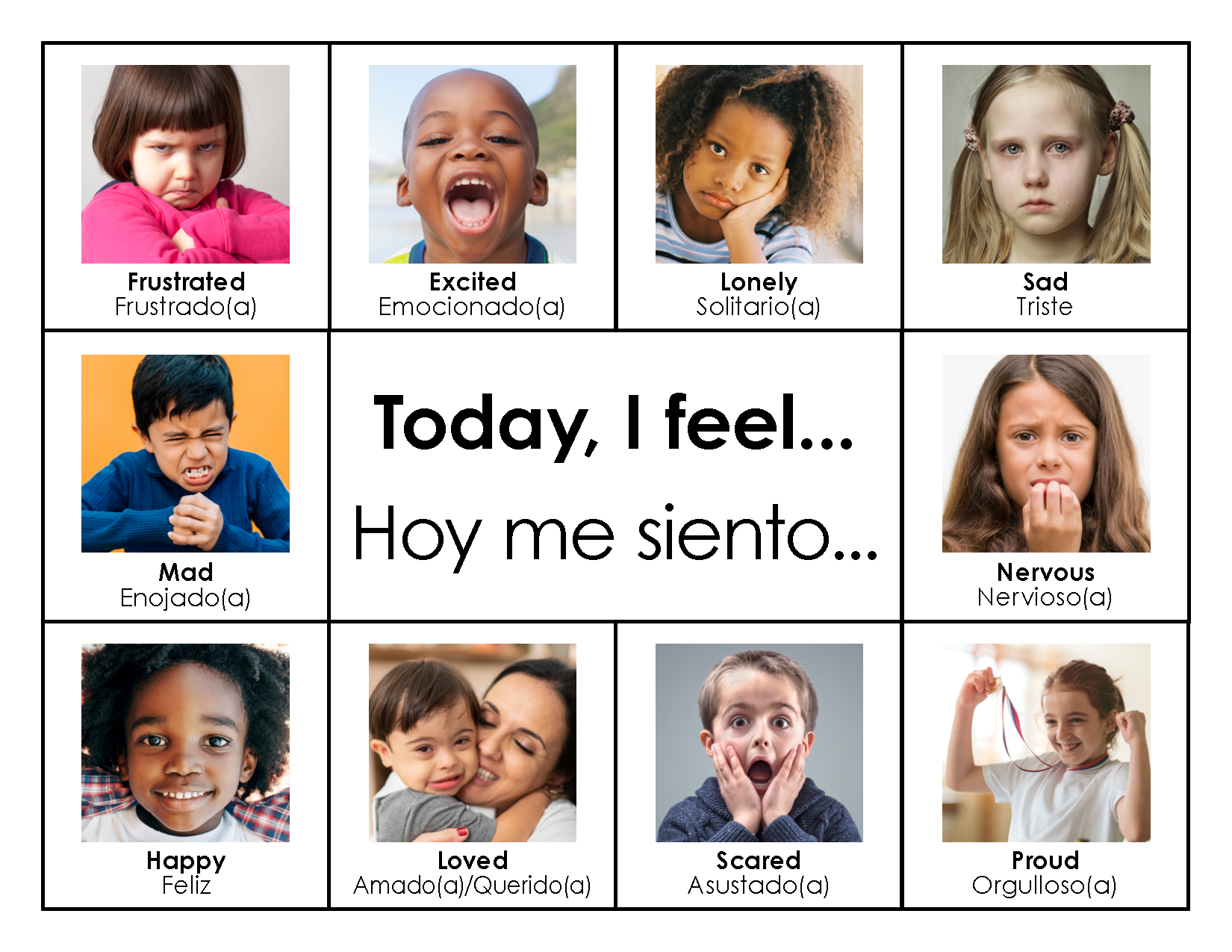
The Feeling Faces assist children with understanding their feelings and the feelings of others. It is important to teach children words to use to express feelings in replace of the use of challenging behavior. The feeling faces that follow can be used in a variety of ways to help children learn social emotional skills around use of emotional literacy and vocabulary.
The Feeling Faces assist children with understanding their feelings and the feelings of others. It is important to teach children words to use to express feelings in replace of the use of challenging behavior. The feeling faces that follow can be used in a variety of ways to help children learn social emotional skills around use of emotional literacy and vocabulary.
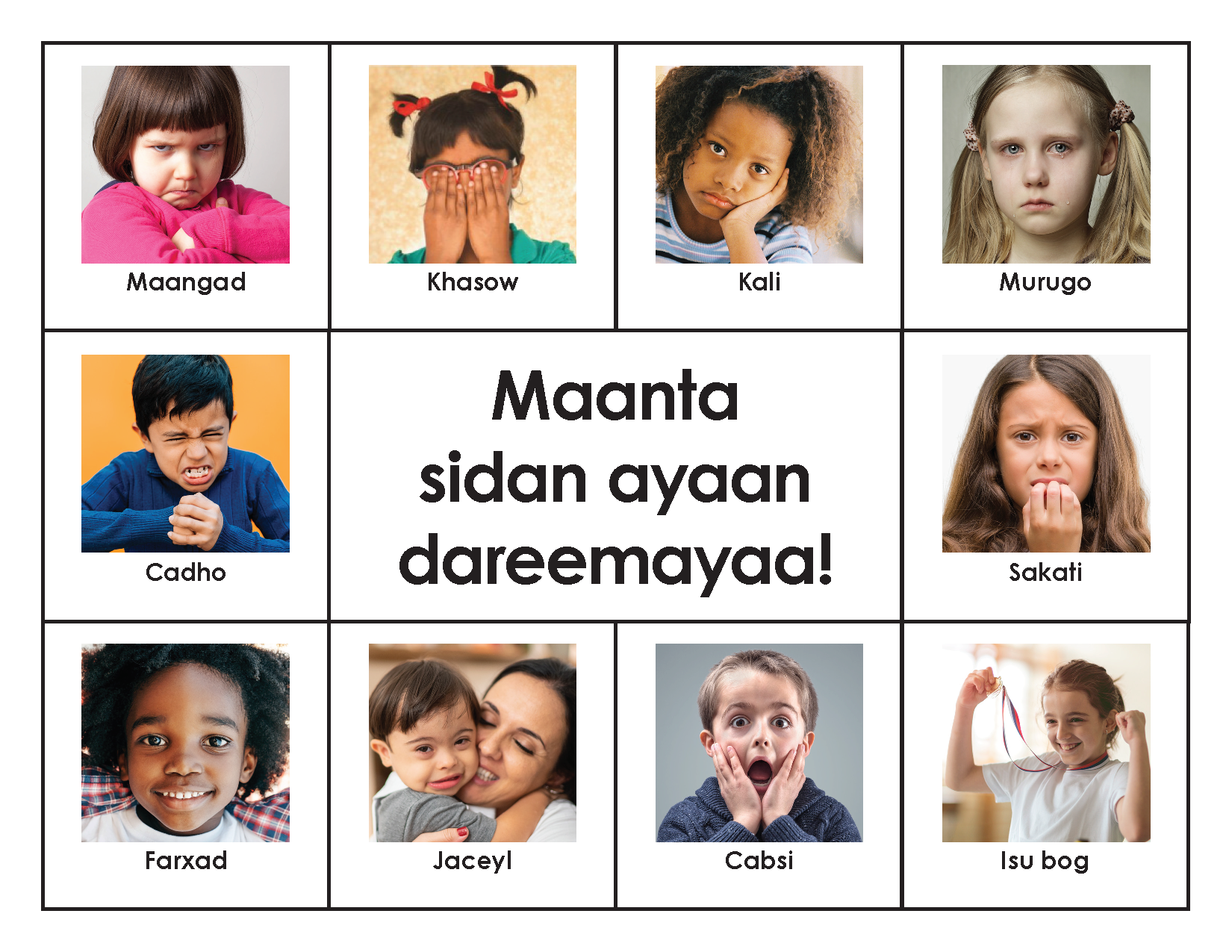
The Feeling Faces assist children with understanding their feelings and the feelings of others. It is important to teach children words to use to express feelings in replace of the use of challenging behavior. The feeling faces that follow can be used in a variety of ways to help children learn social emotional skills around use of emotional literacy and vocabulary.
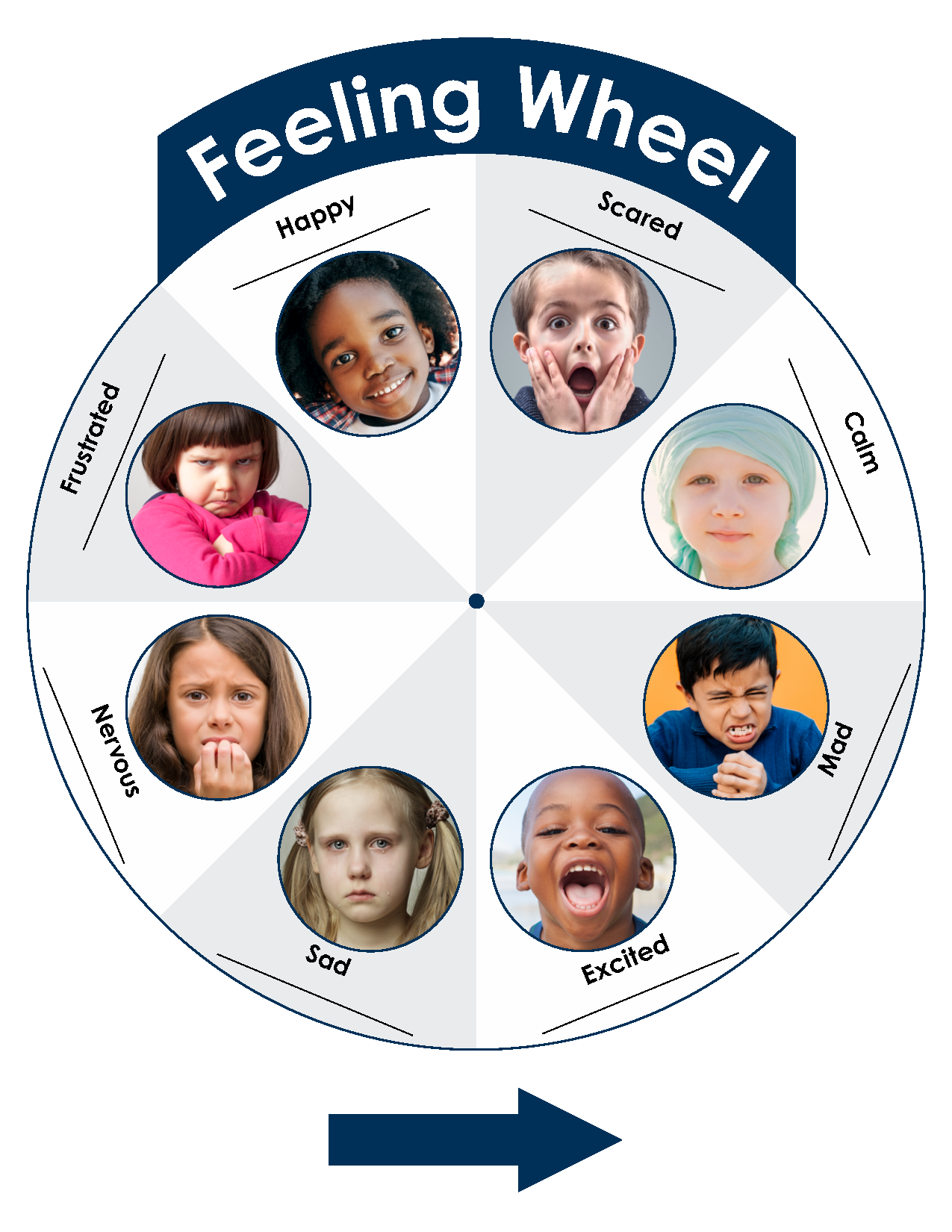
The Feeling Faces assist children with understanding their feelings and the feelings of others. It is important to teach children words to use to express feelings in replace of the use of challenging behavior. The feeling faces that follow can be used in a variety of ways to help children learn social emotional skills around use of emotional literacy and vocabulary.
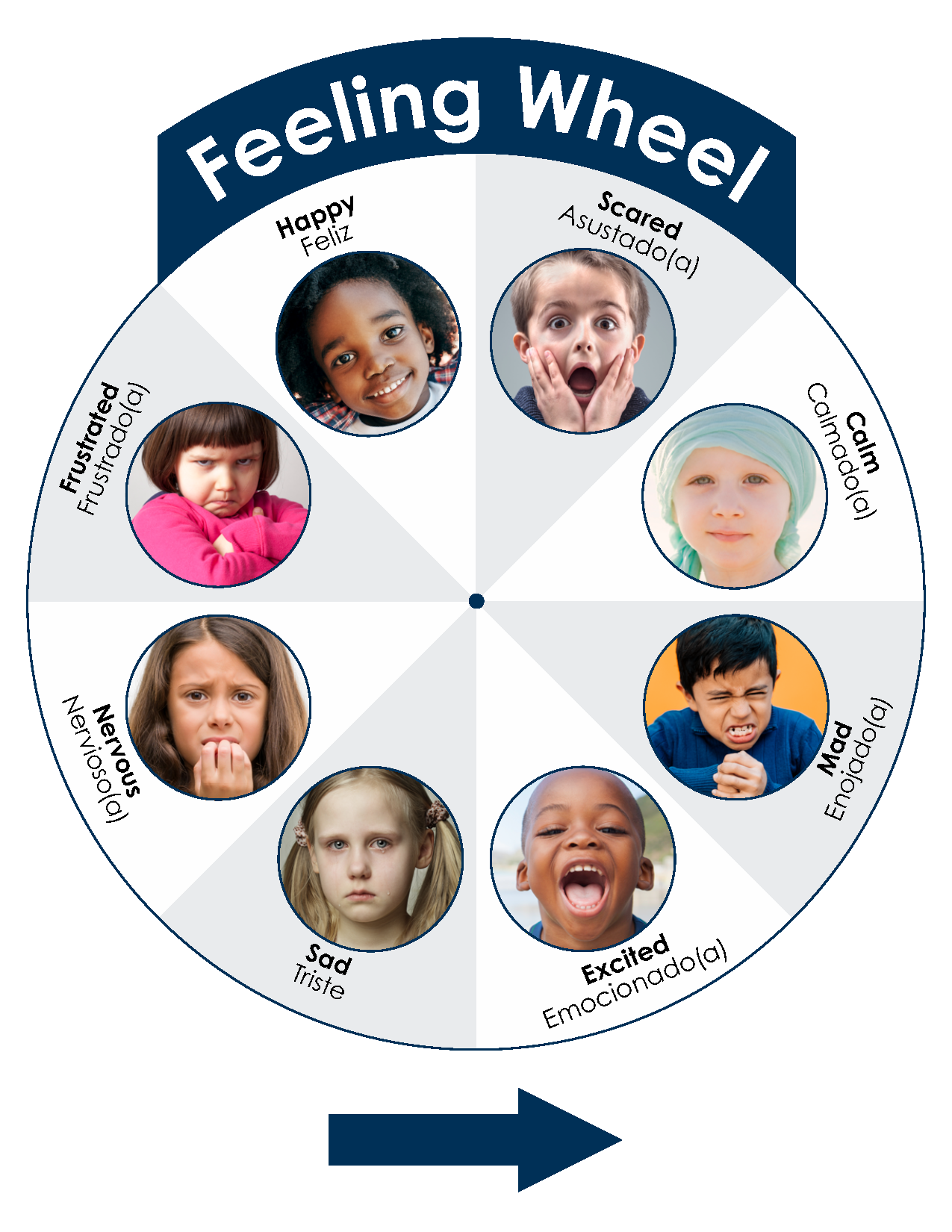
The Feeling Faces assist children with understanding their feelings and the feelings of others. It is important to teach children words to use to express feelings in replace of the use of challenging behavior. The feeling faces that follow can be used in a variety of ways to help children learn social emotional skills around use of emotional literacy and vocabulary.
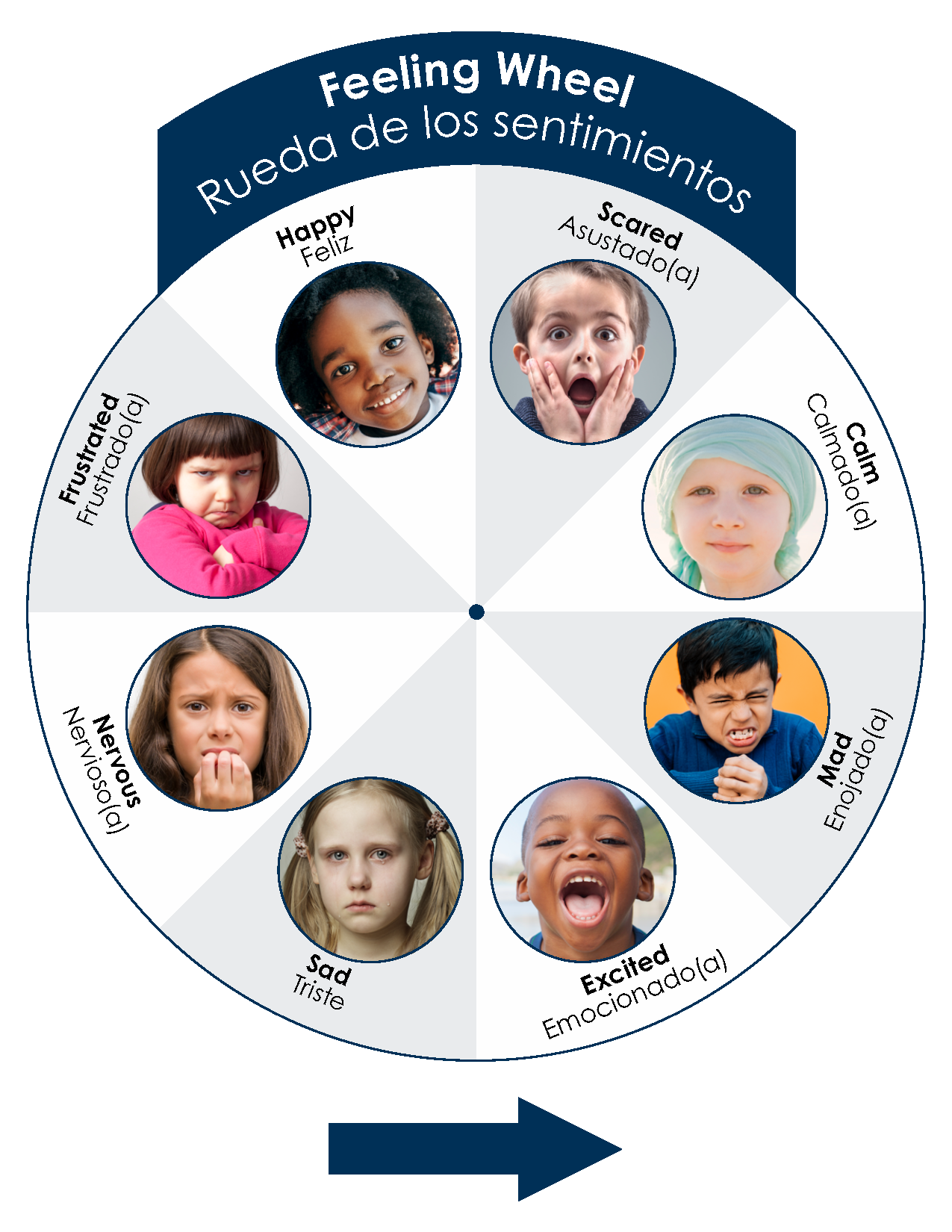
The Feeling Faces assist children with understanding their feelings and the feelings of others. It is important to teach children words to use to express feelings in replace of the use of challenging behavior. The feeling faces that follow can be used in a variety of ways to help children learn social emotional skills around use of emotional literacy and vocabulary. Includes introduction in Spanish and visual in English and Spanish.
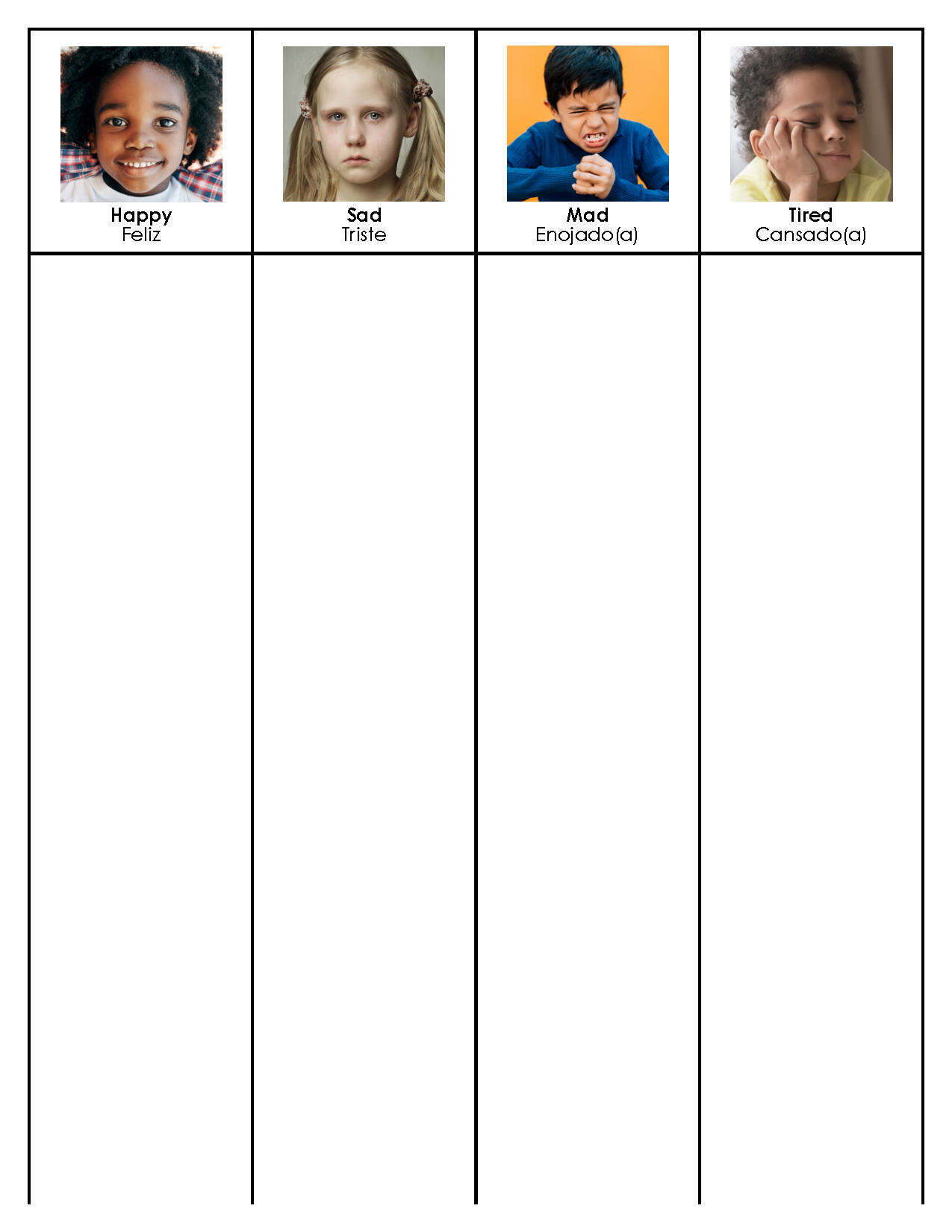
The Feeling Faces assist children with understanding their feelings and the feelings of others. It is important to teach children words to use to express feelings in replace of the use of challenging behavior. The feeling faces that follow can be used in a variety of ways to help children learn social emotional skills around use of emotional literacy and vocabulary.

Here are tips and ideas for helping children identify emotions when your face, your most expressive feature, is covered by a mask. Use these strategies to let children know that behind the mask, a kind and warm expression is still there!
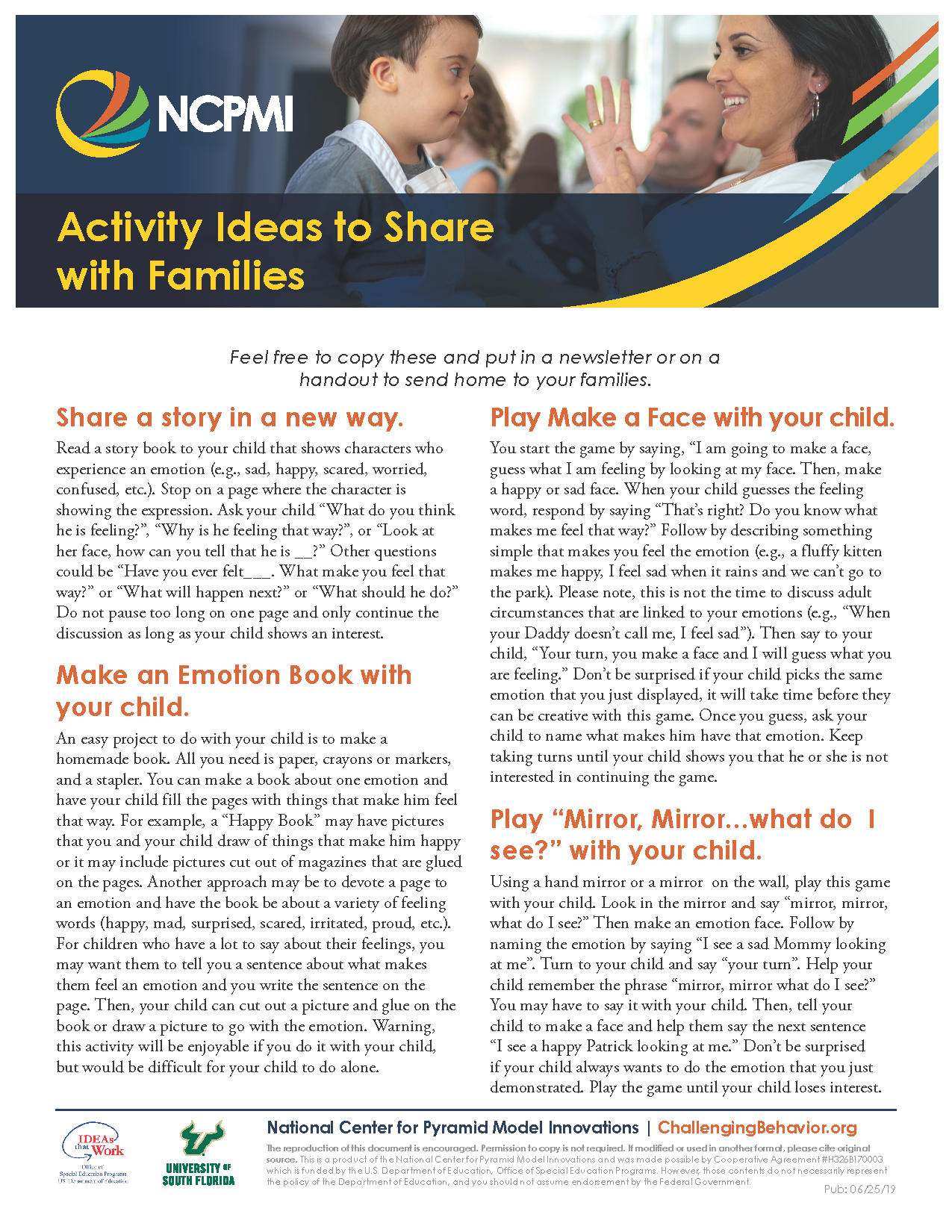
Handout with ideas for teaching emotional literacy at home.

Handout with ideas for teaching emotional literacy at home.
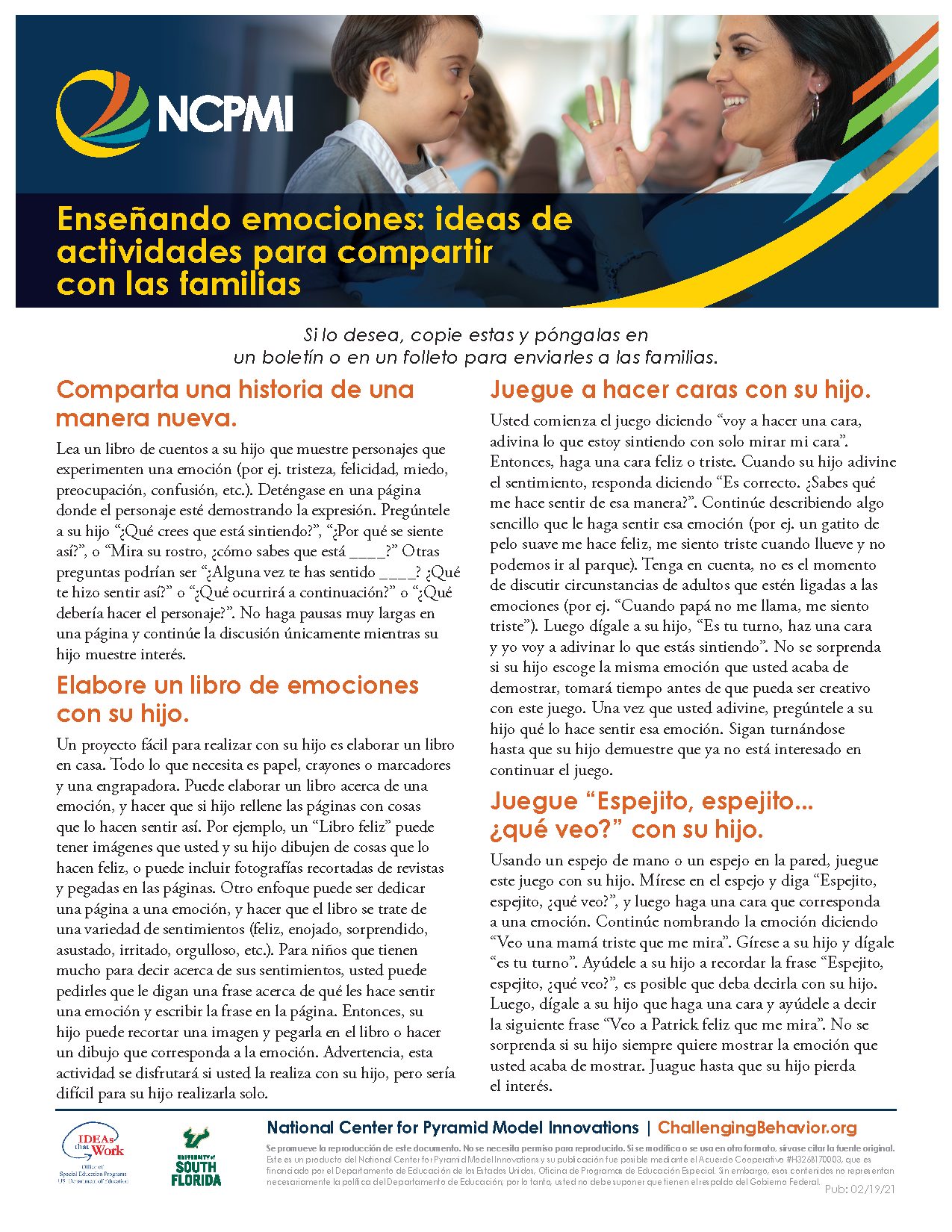
Handout with ideas for teaching emotional literacy at home.
Teacher asks open ended questions about how the characters in the book are feeling. Children think, pair, share to brainstorm responses.
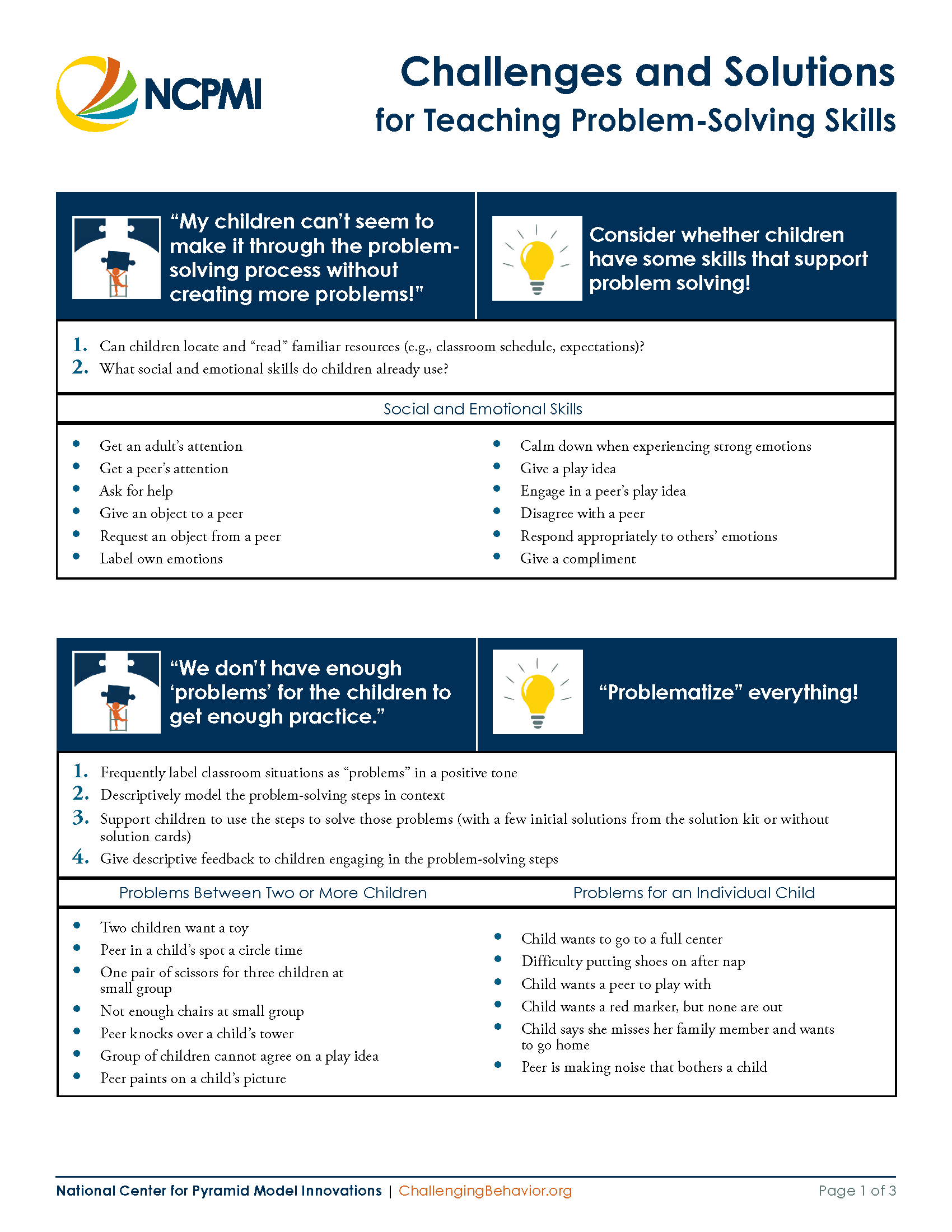
This resource provides common challenges children experience when learning the problem solving process along with implementation strategies for improving the problem solving process and supporting children through the problem solving challenges.
Teacher notices children needed support to problem solve and the solution they choose is a calm down strategy. Includes modeling, guided practice, and visuals.
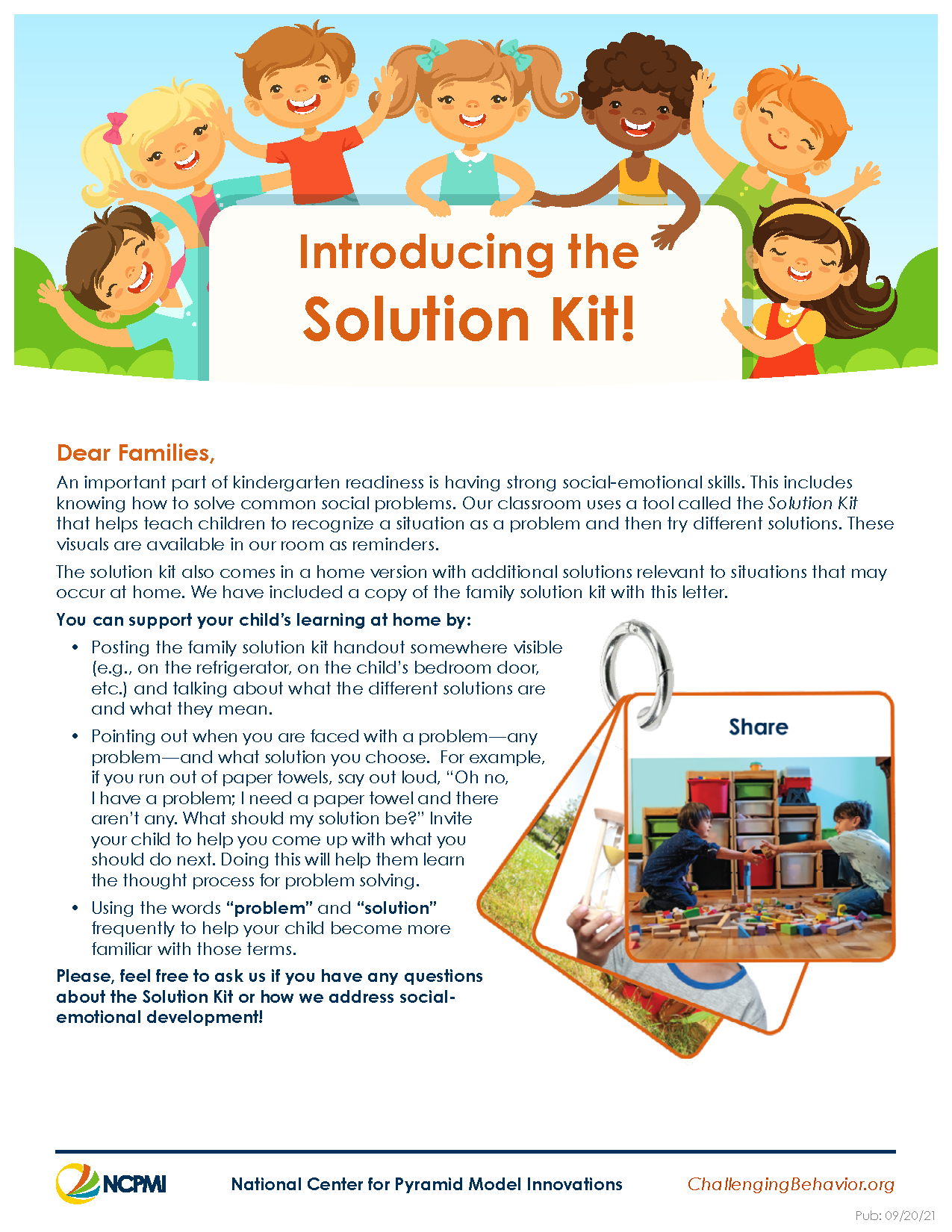
Letter addressed to families announcing the use of the solution kit at the program.

Letter addressed to families announcing the use of the solution kit at the program.
Letter addressed to families announcing the use of the solution kit at the program.

Letter addressed to families announcing the use of the solution kit at the program.
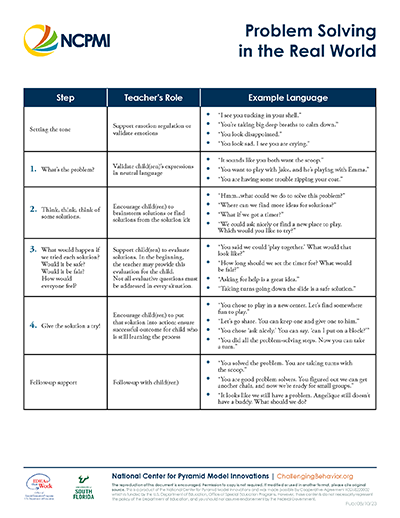
This handout walks preschool practitioners through the steps to teaching problem solving, along with clearly defining the teacher’s role and example language.
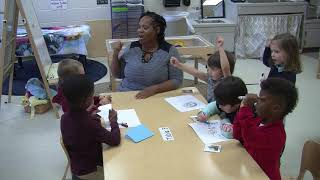
Teacher guides children having a disagreement through the problem-solving steps and celebrates when they select and use a solution.
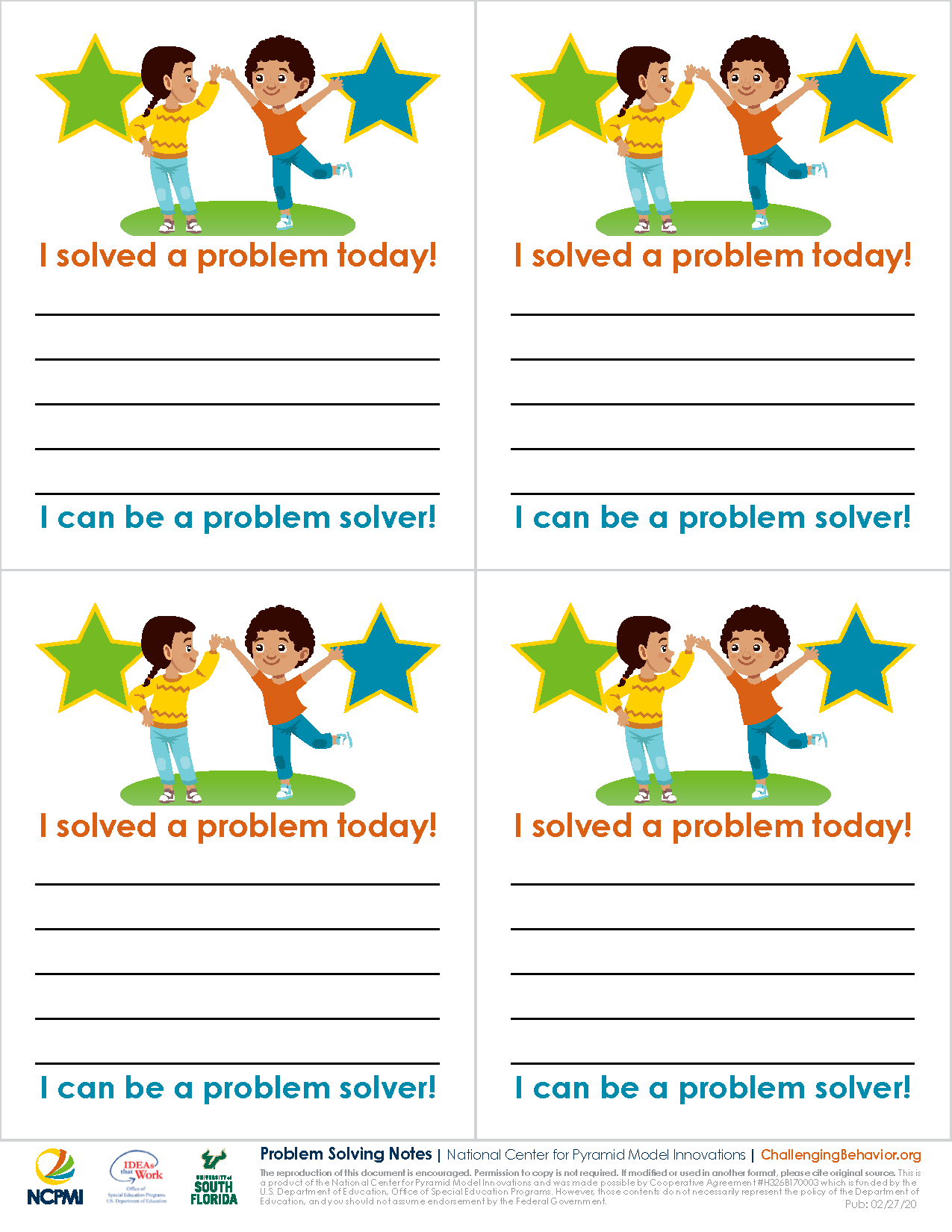
Positive notes home to acknowledge children’s problem solving skills and keep families informed of problem solving skills at school.
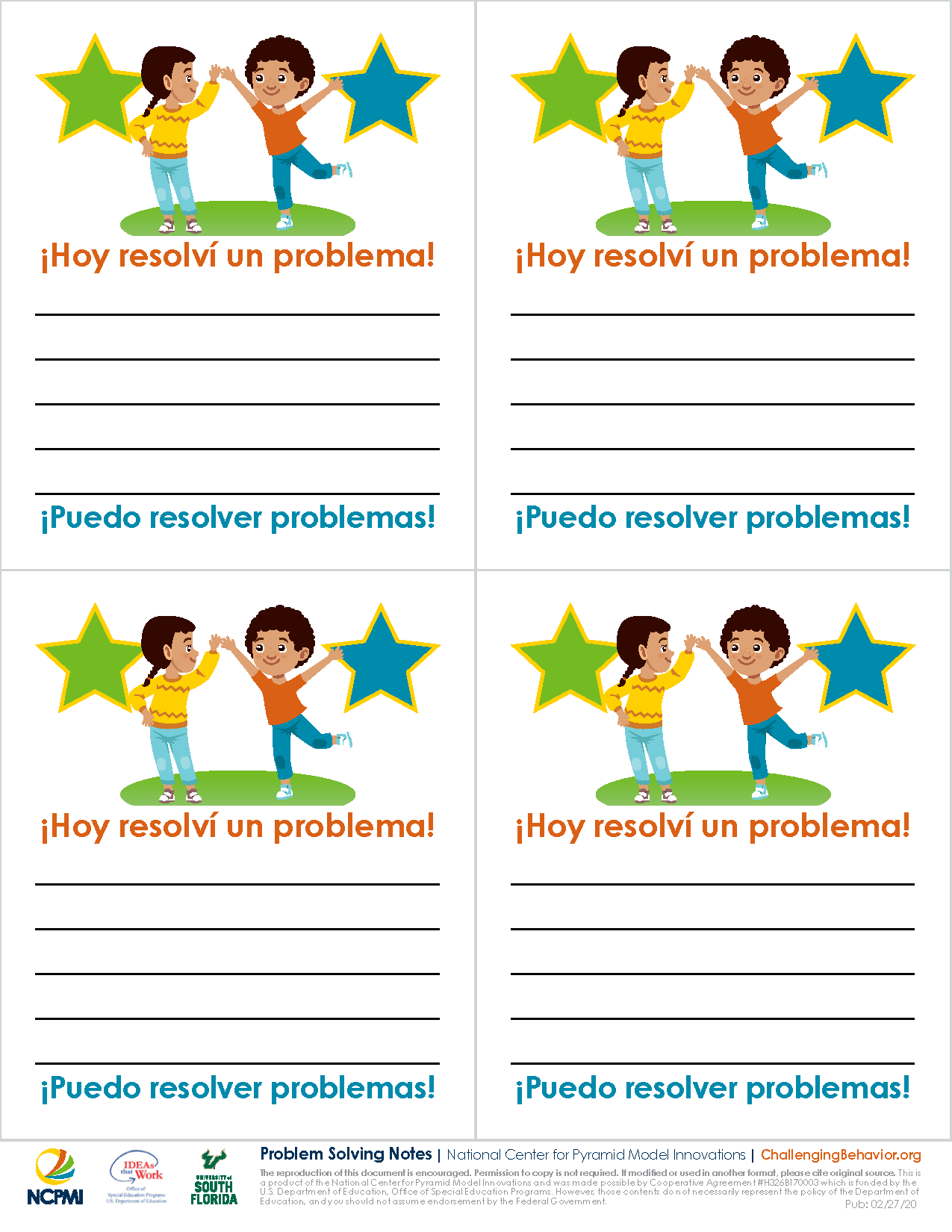
Positive notes home to acknowledge children’s problem solving skills and keep families informed of problem solving skills at school.
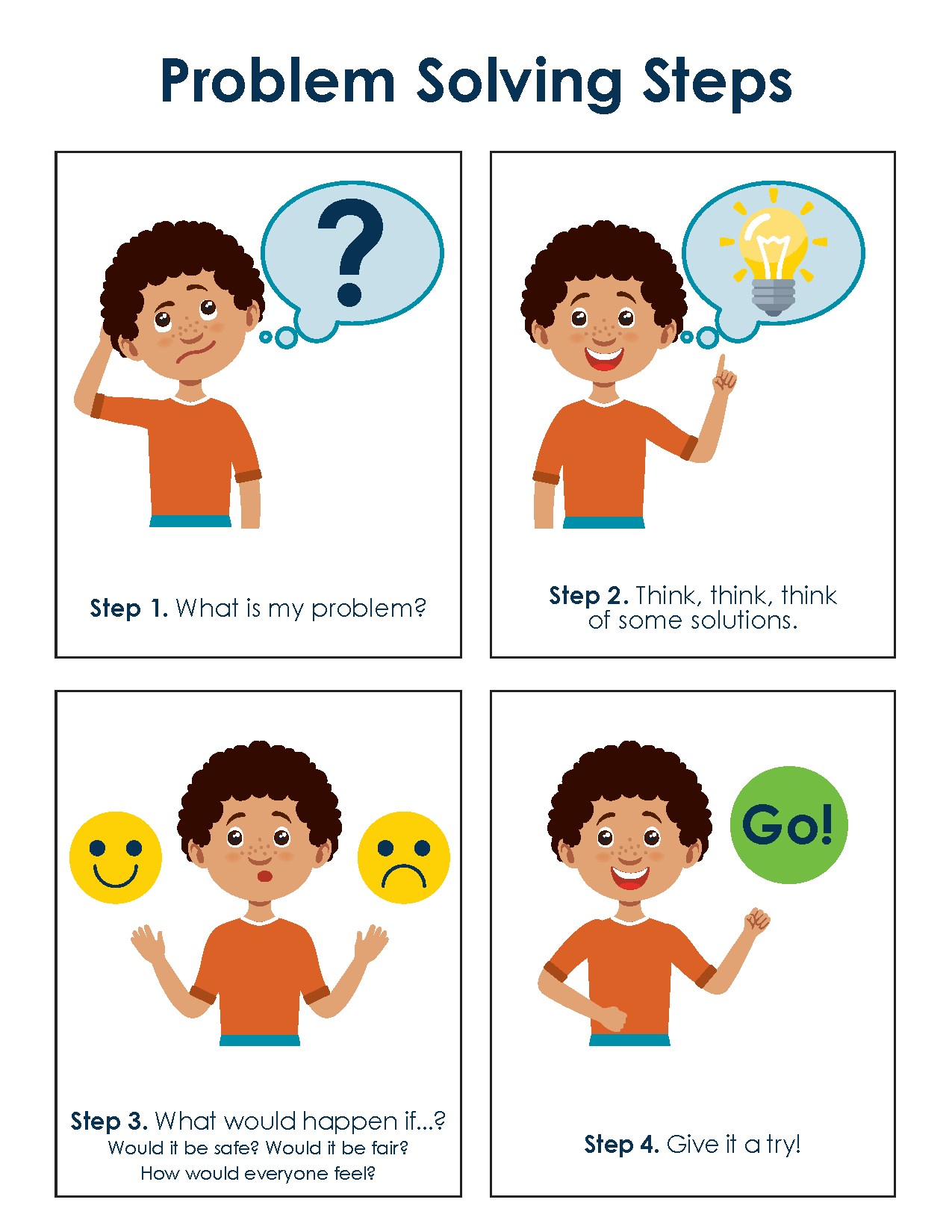
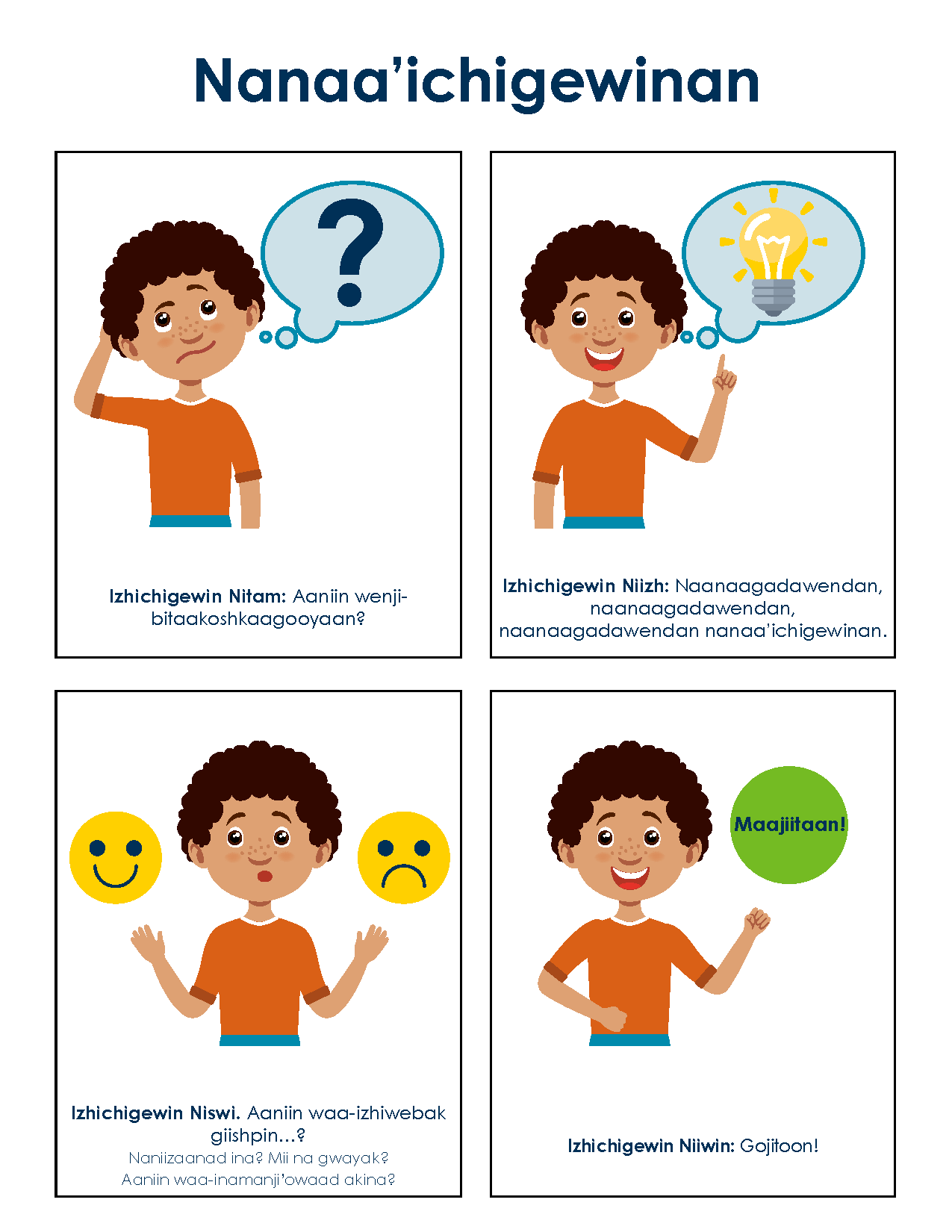
Problem solving steps strategies and poster. Includes boy and girl versions.
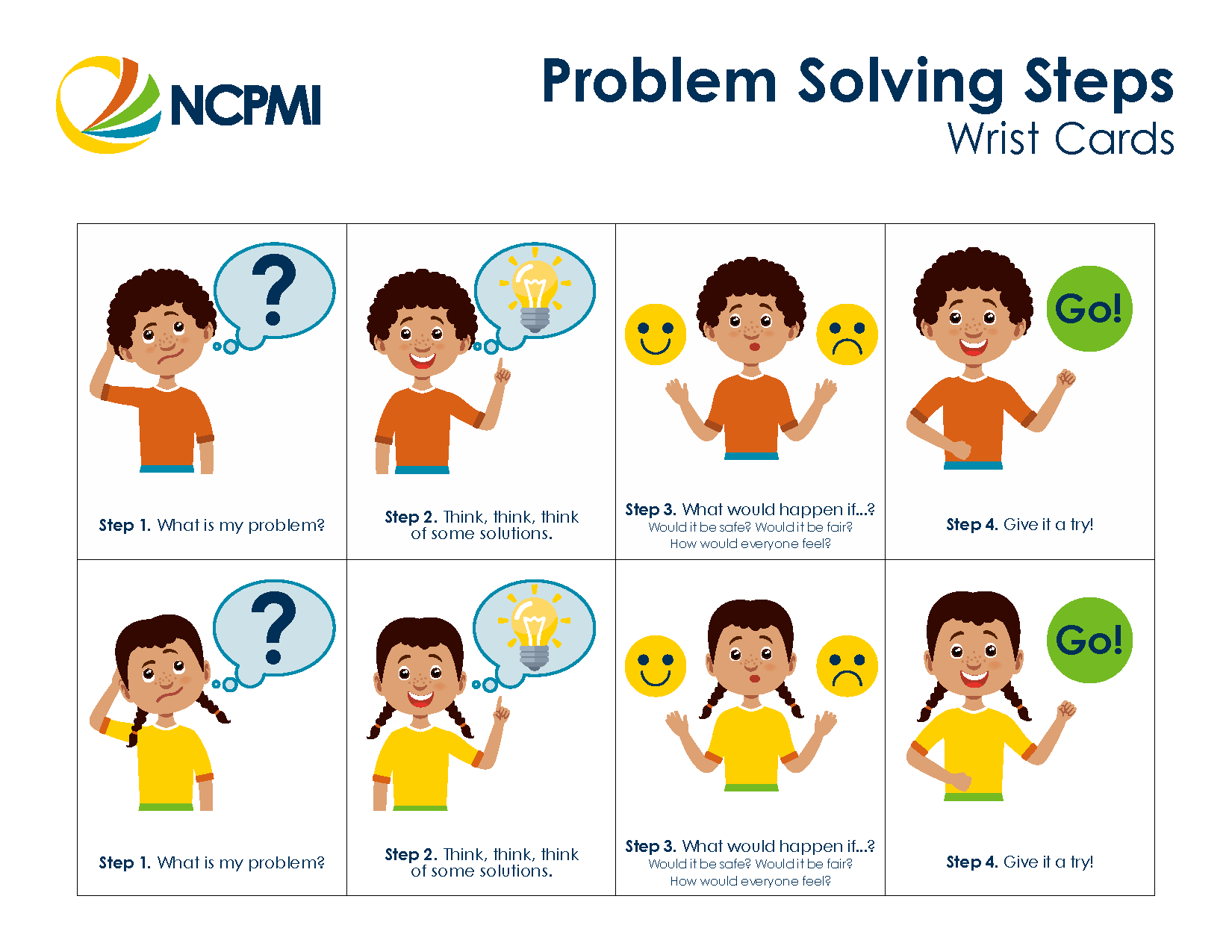
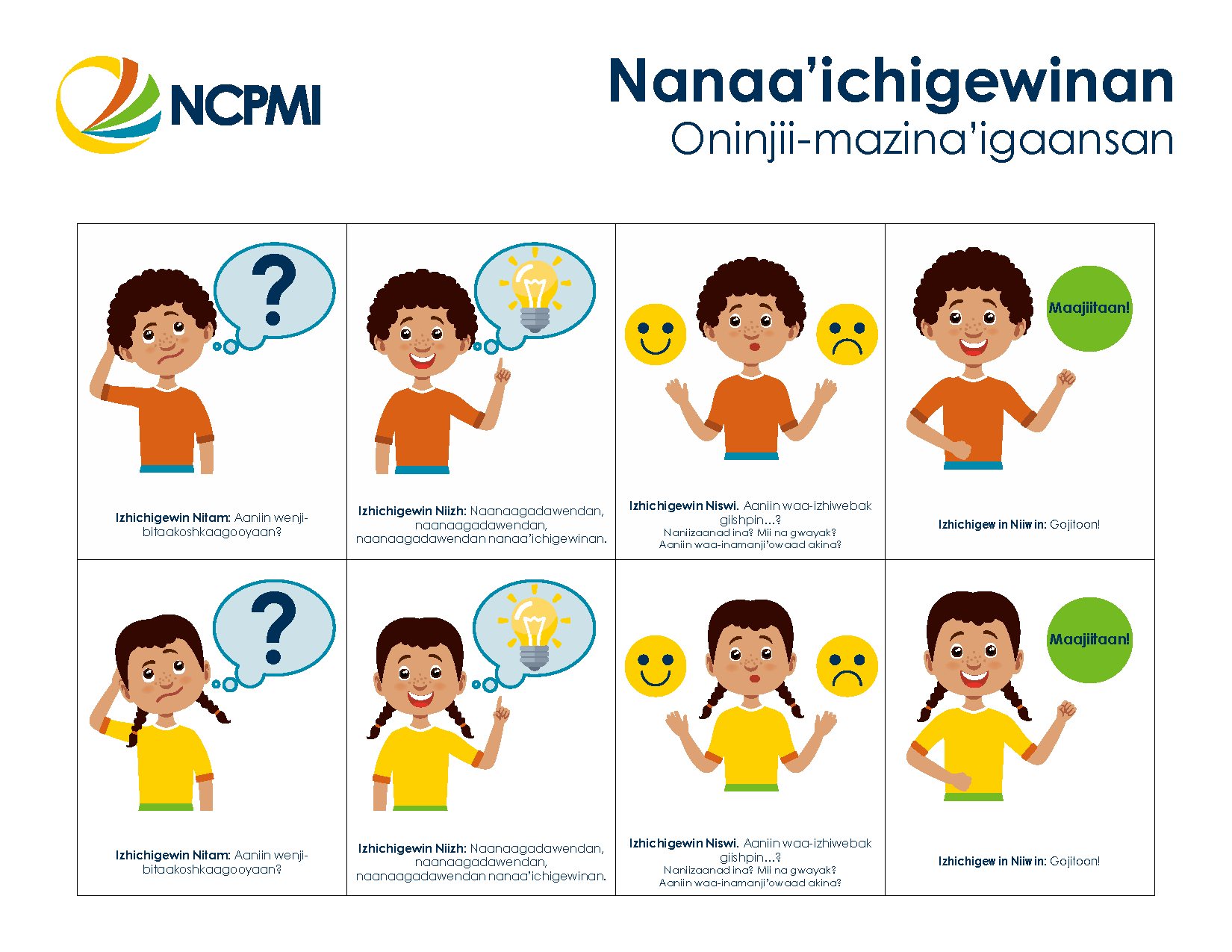
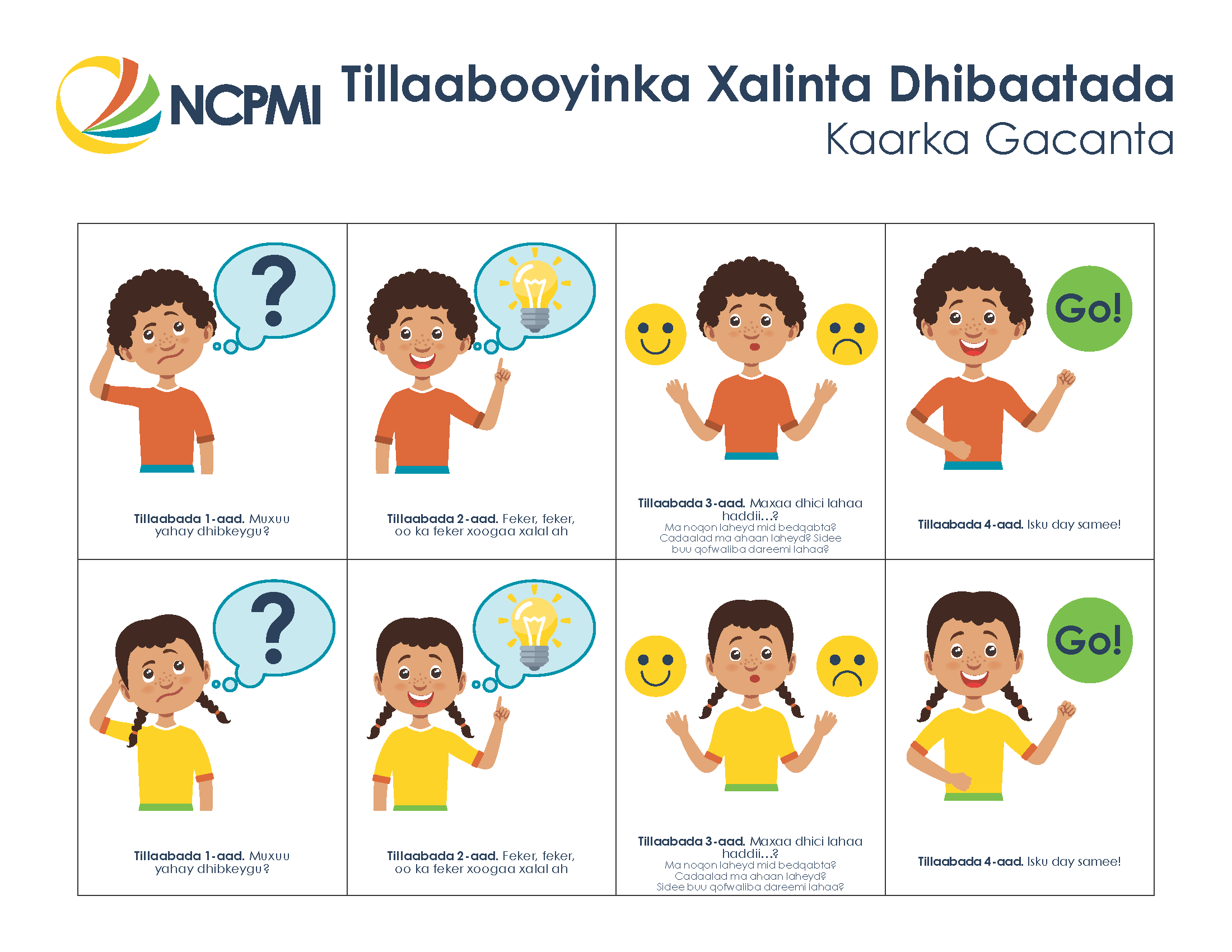
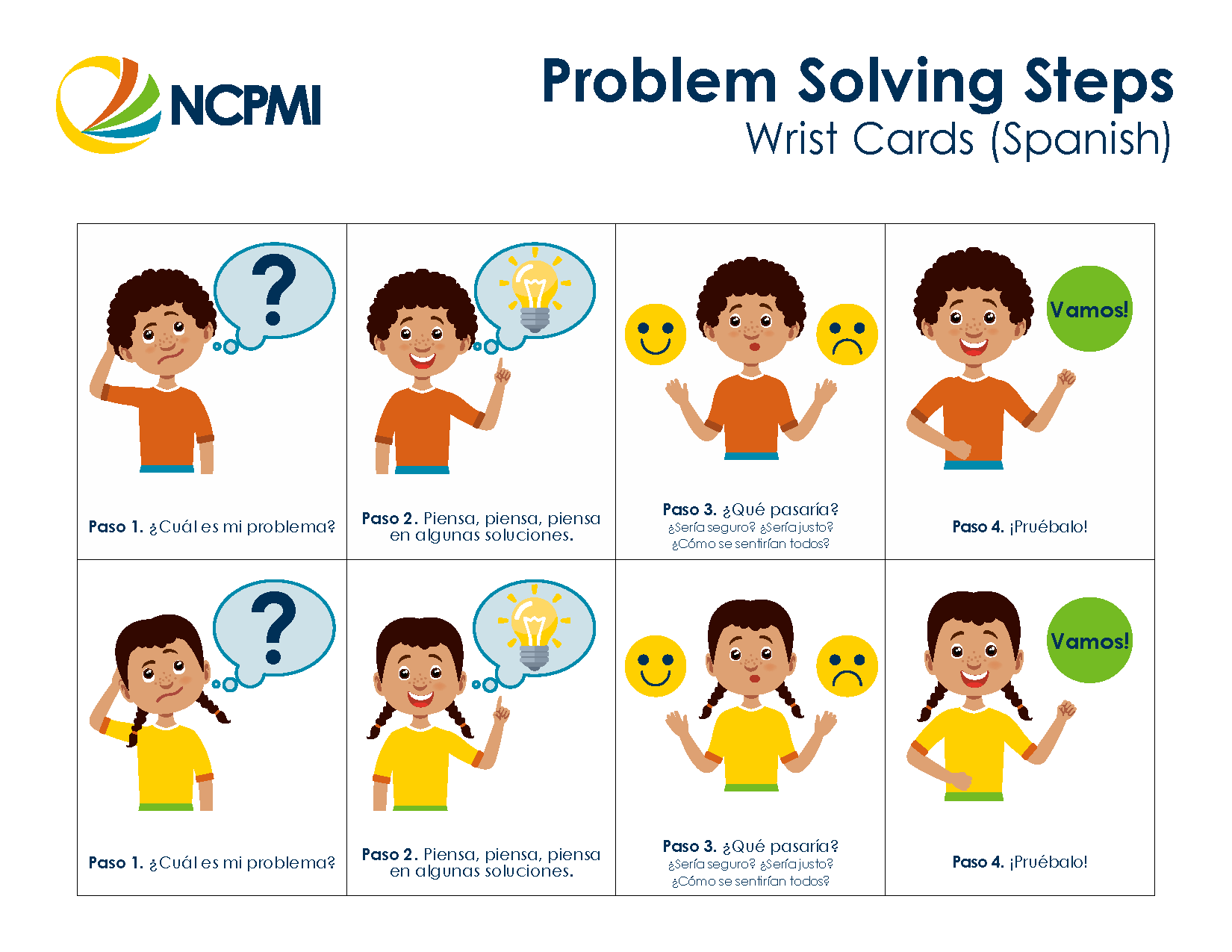
Make these wrist cards with the Problem-Solving Steps and keep within reach to review with children as needed.
Make these wrist cards with the Problem-Solving Steps and keep within reach to review with children as needed.
Make these wrist cards with the Problem-Solving Steps and keep within reach to review with children as needed.
Make these wrist cards with the Problem-Solving Steps and keep within reach to review with children as needed.
Problem solving steps strategies and poster. Includes boy and girl versions.
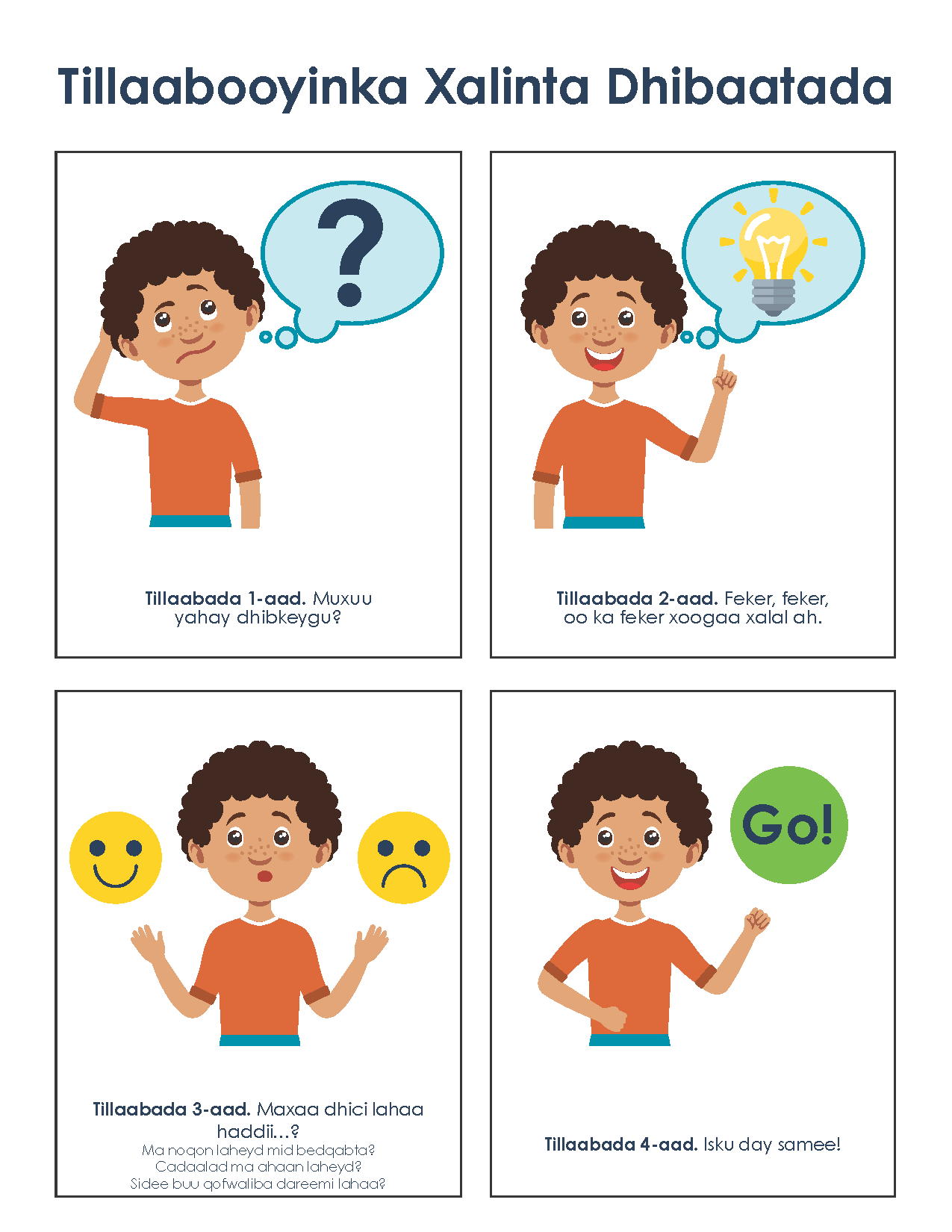
Problem solving steps strategies and poster. Includes boy and girl versions.
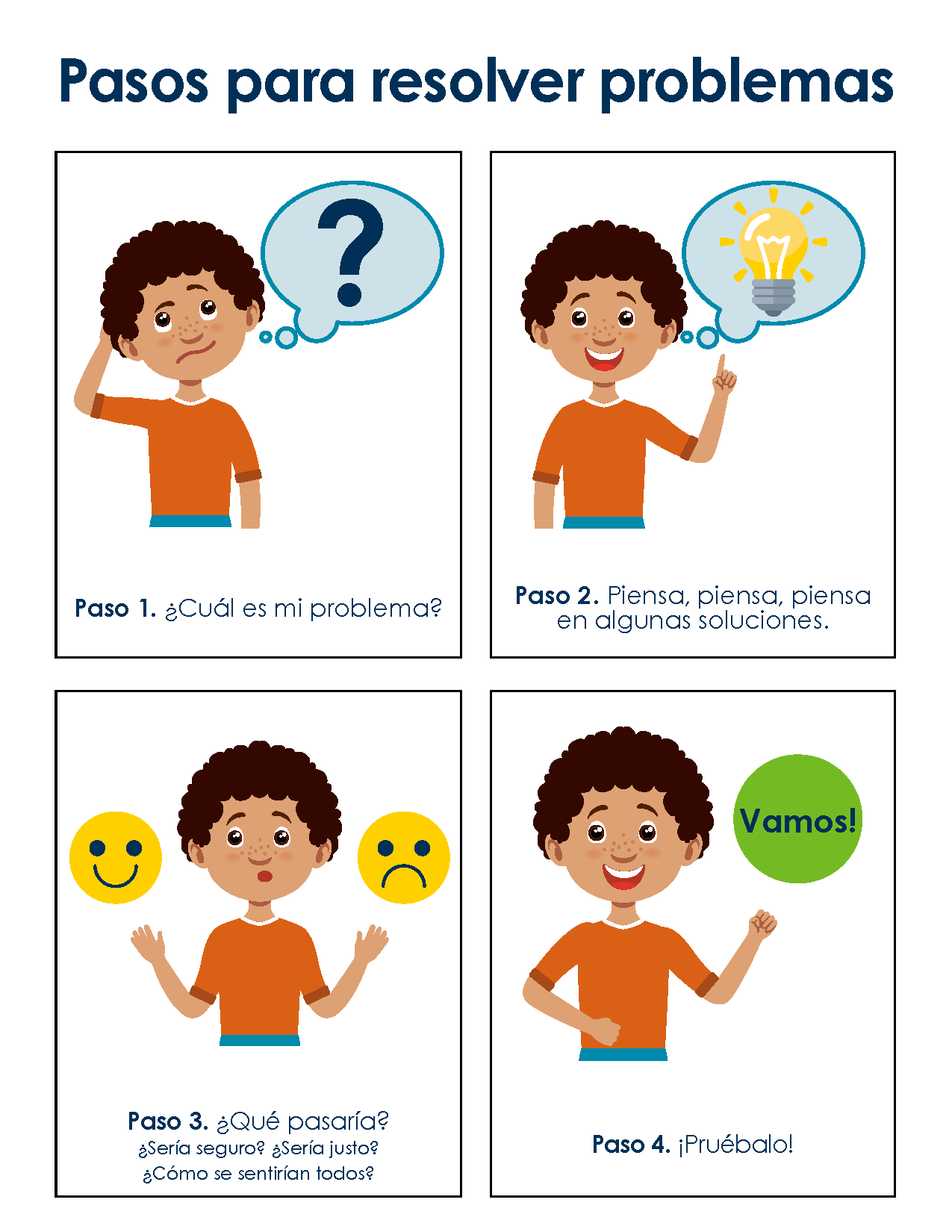
Problem solving steps strategies and poster. Includes boy and girl versions.
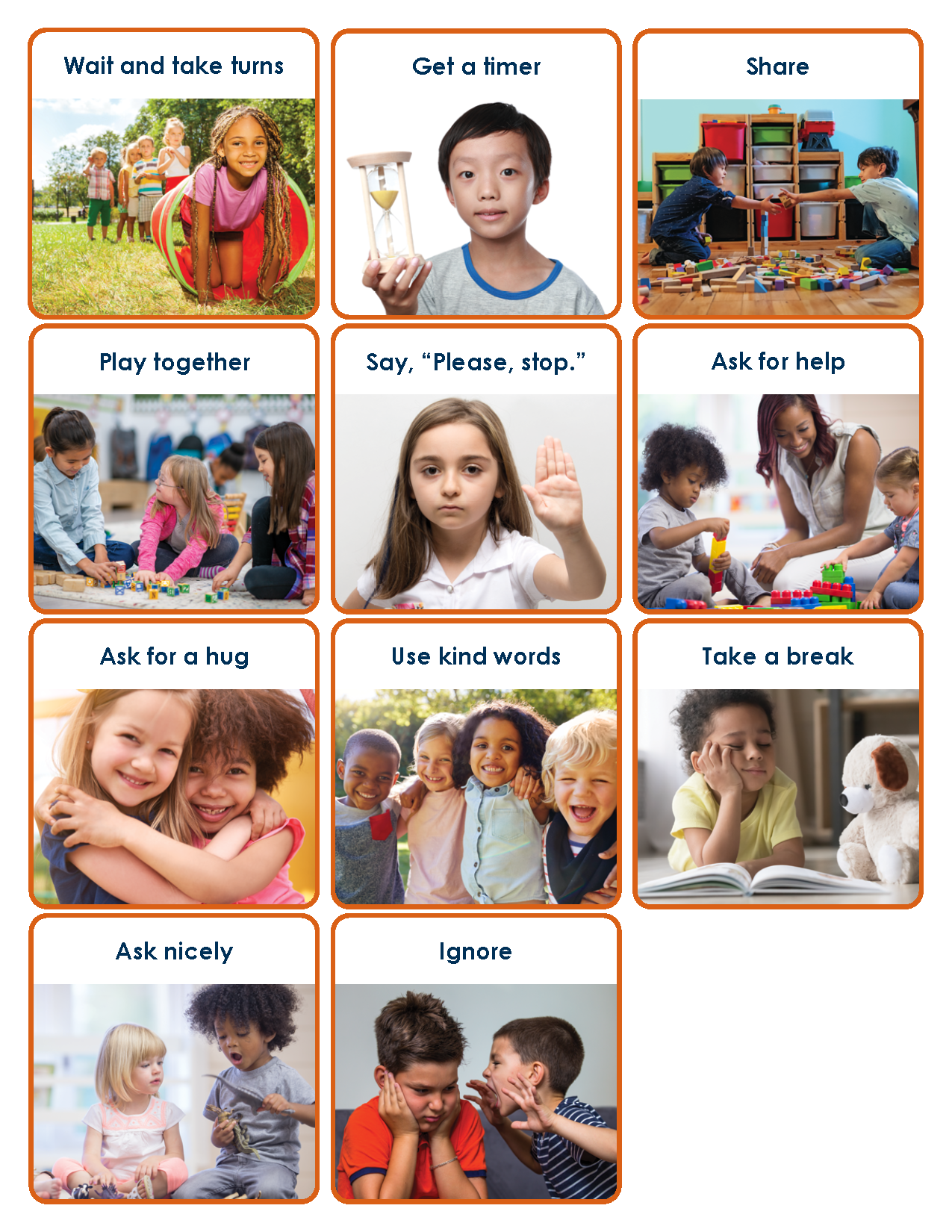
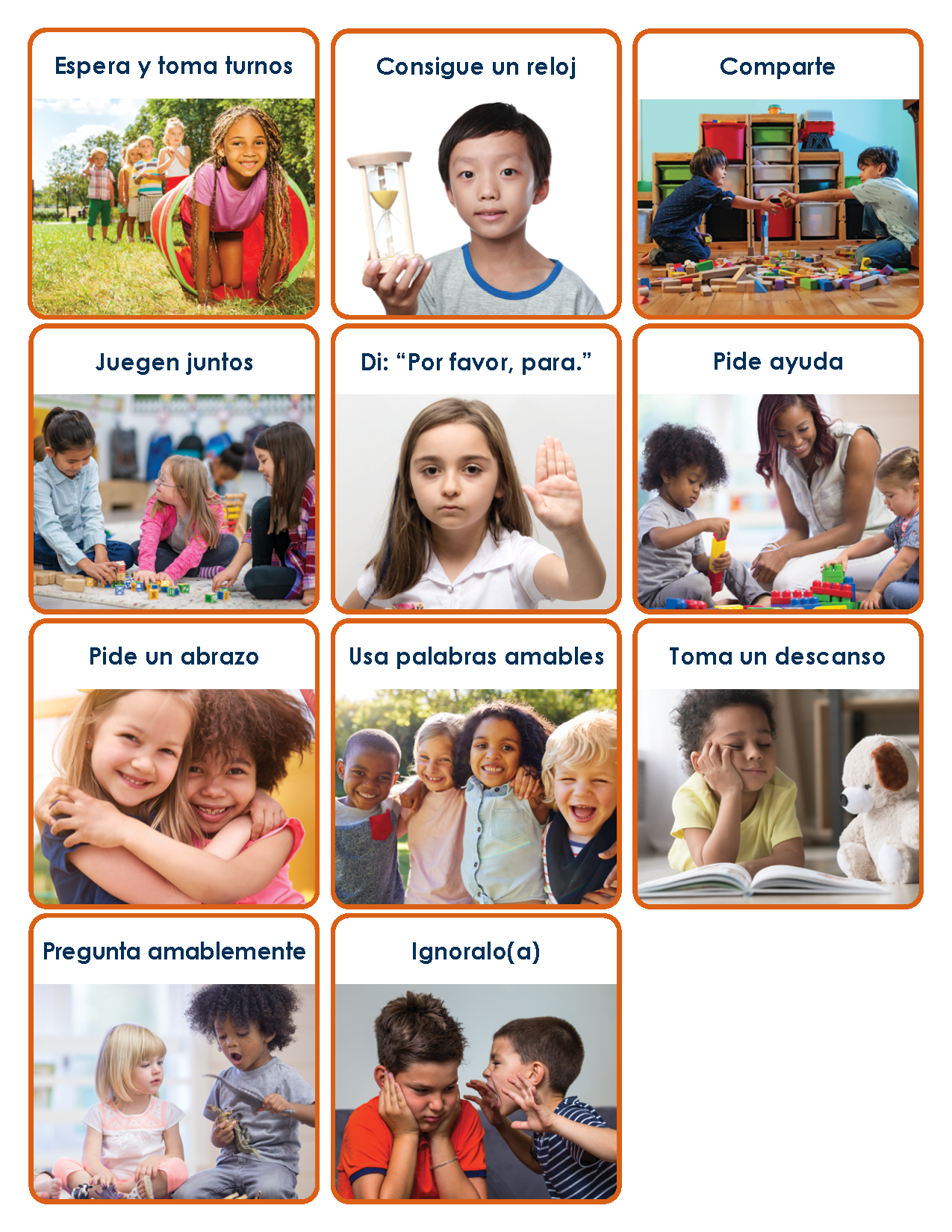
Use the solution kit cards as prompts to assist in problem-solving.
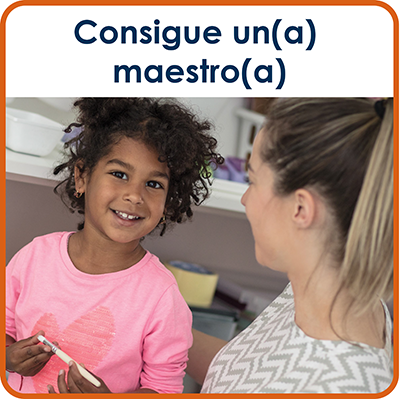
Large solution kit cards for teaching
Large solution kit cards for teaching
Use the solution kit cards as prompts to assist in problem-solving.
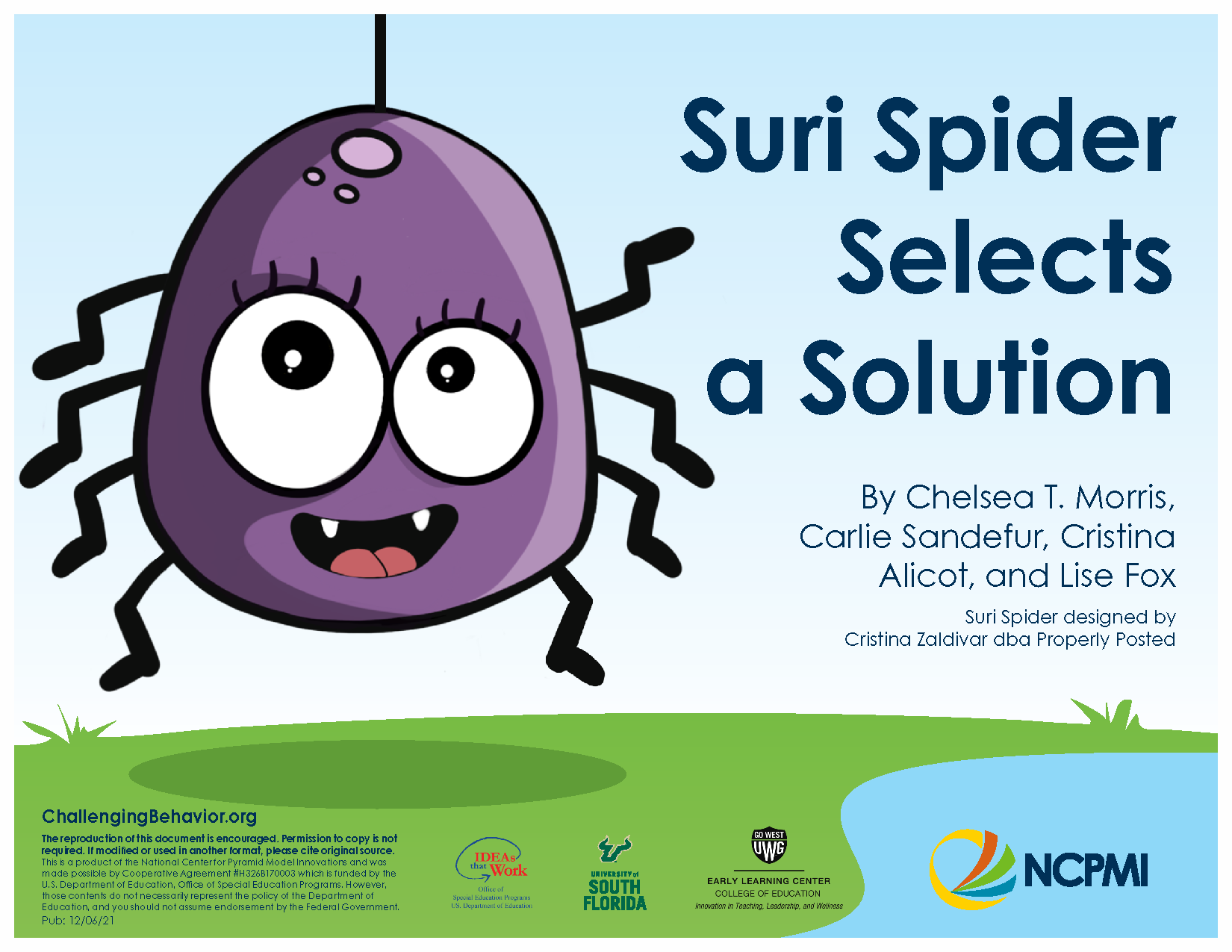
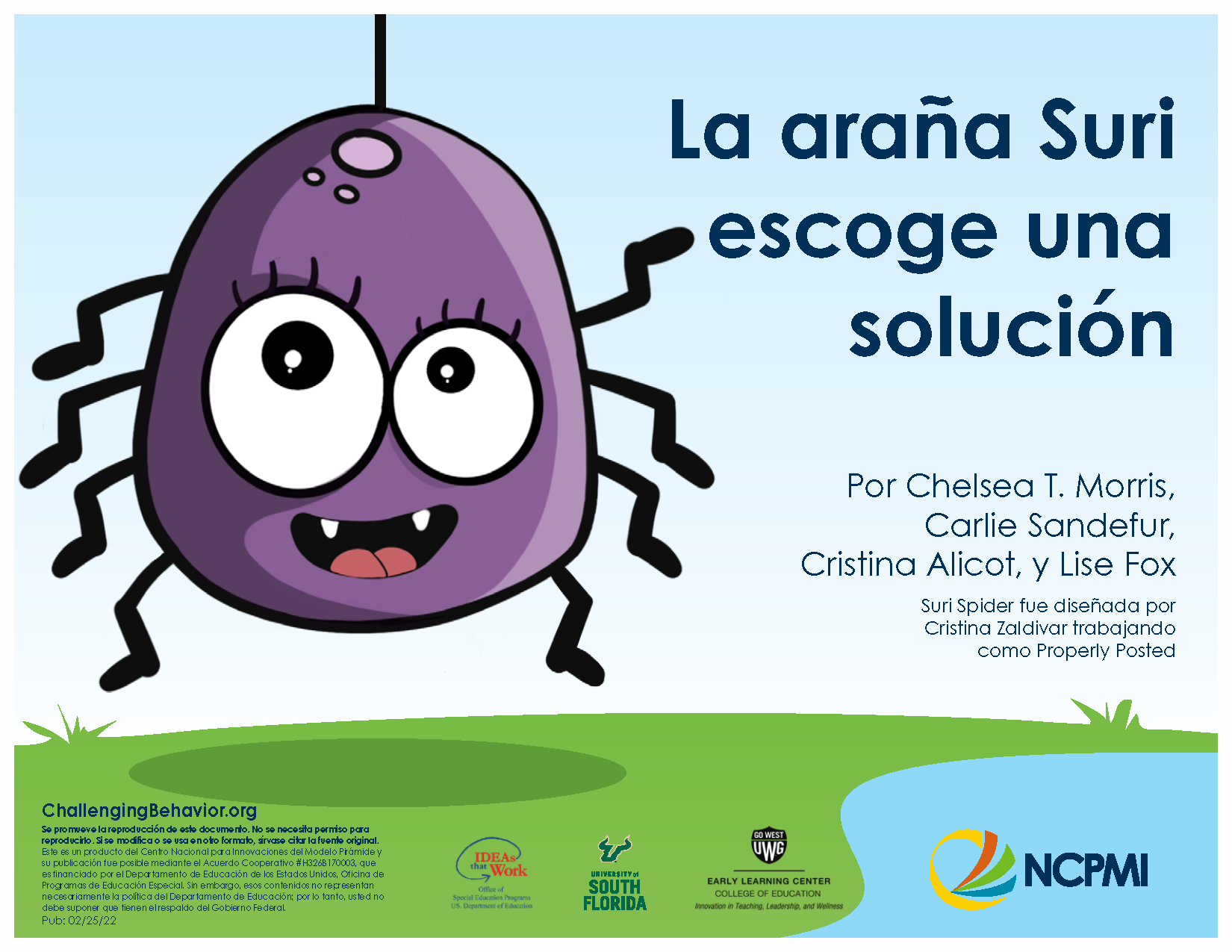
Use this scripted story to help children find a solution to her problem.

Use this scripted story to help children find a solution to her problem.

Use this scripted story to help children find a solution to her problem.
Use this scripted story to help children find a solution to her problem.
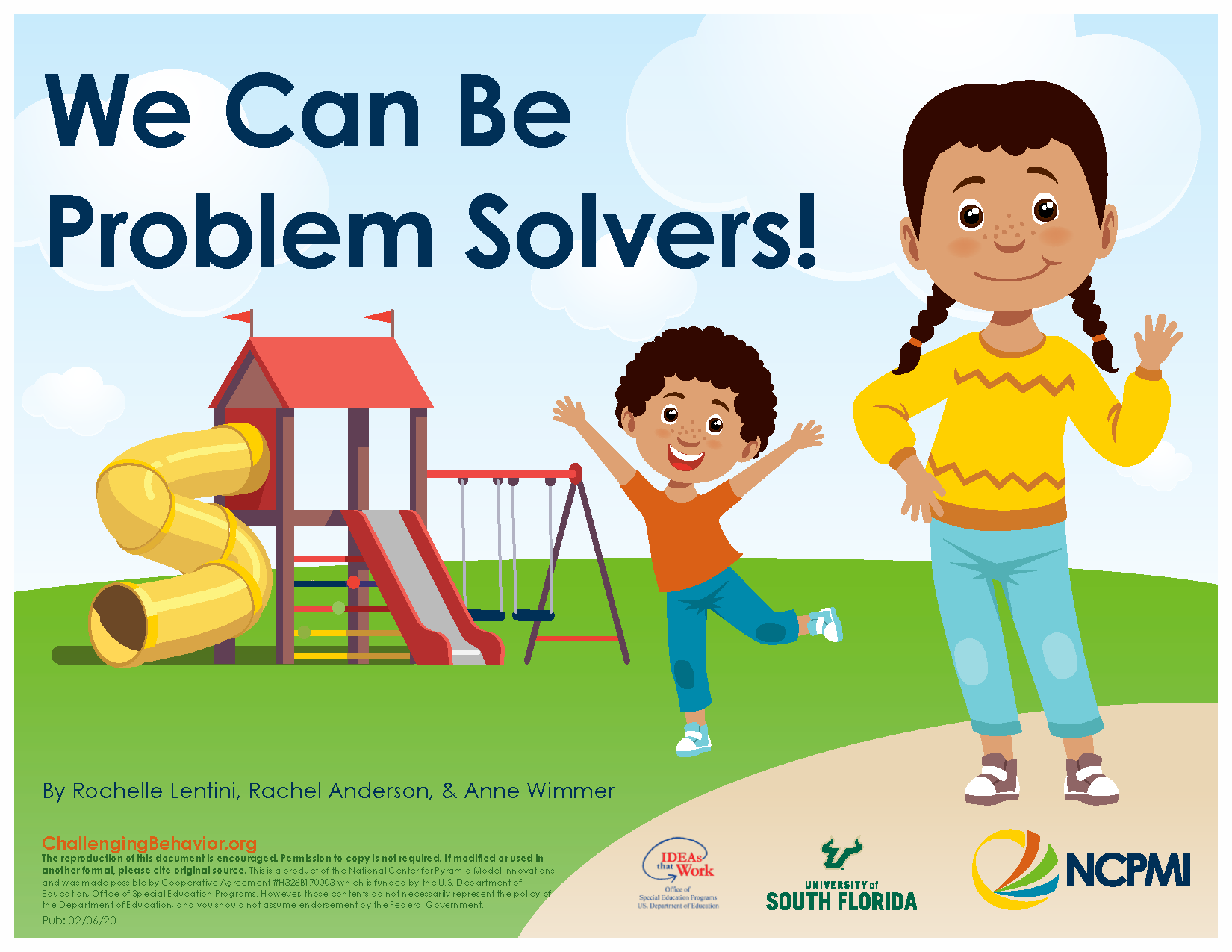
Scripted story to help children understand the steps to problem solving. Includes problem scenario cards to help children practice finding a solution to common social problems.
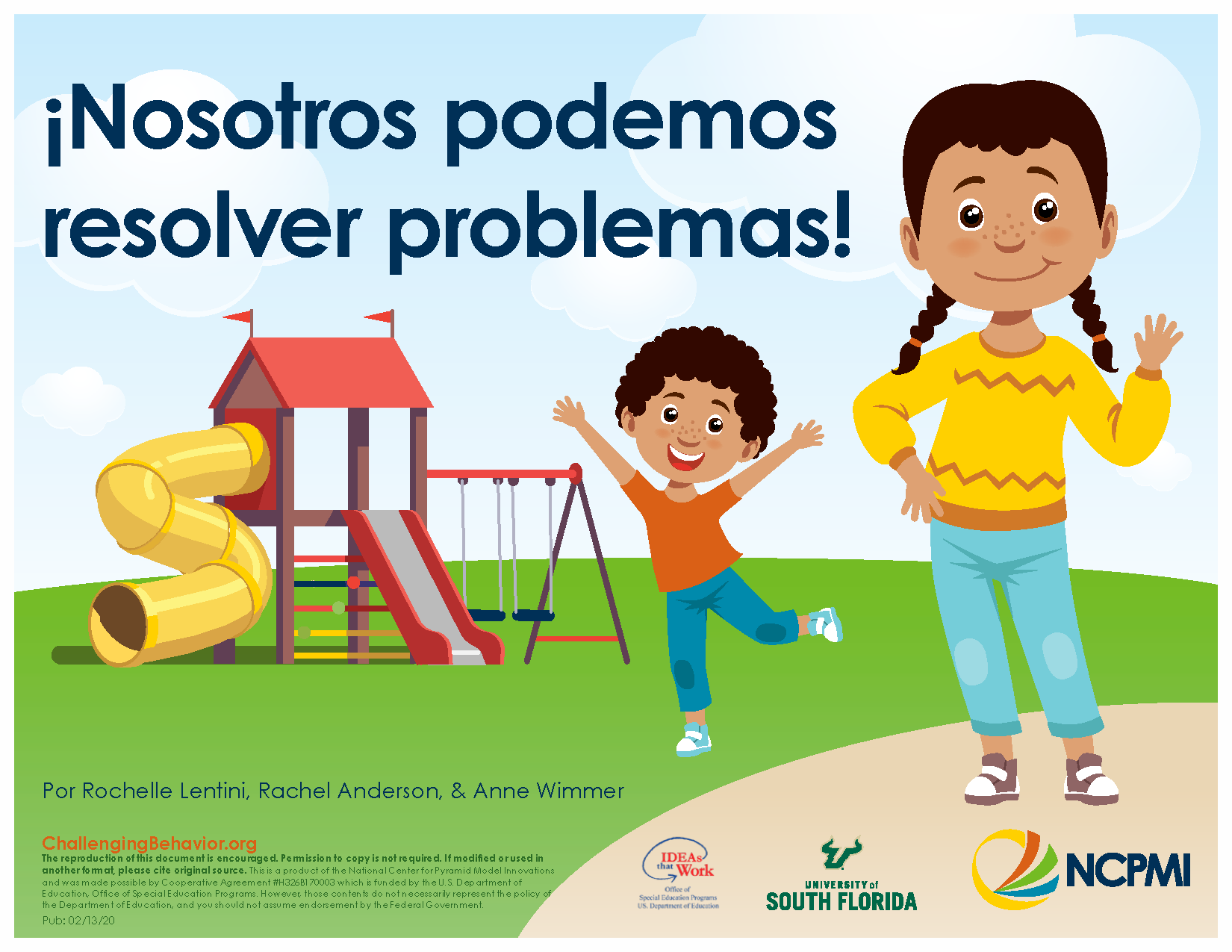
Scripted story to help children understand the steps to problem solving. Includes problem scenario cards to help children practice finding a solution to common social problems.
Scripted Stories for Social Situations help children understand social interactions, situations, expectations, social cues, the script of unfamiliar activities, and/or social rules. As the title implies, they are brief descriptive stories that provide information regarding a social situation. When children are given information that helps them understand the expectations of a situation, their problem behavior within that situation is reduced or minimized.

Use this scripted story to teach a child about the expectations and rules associated with going to school.
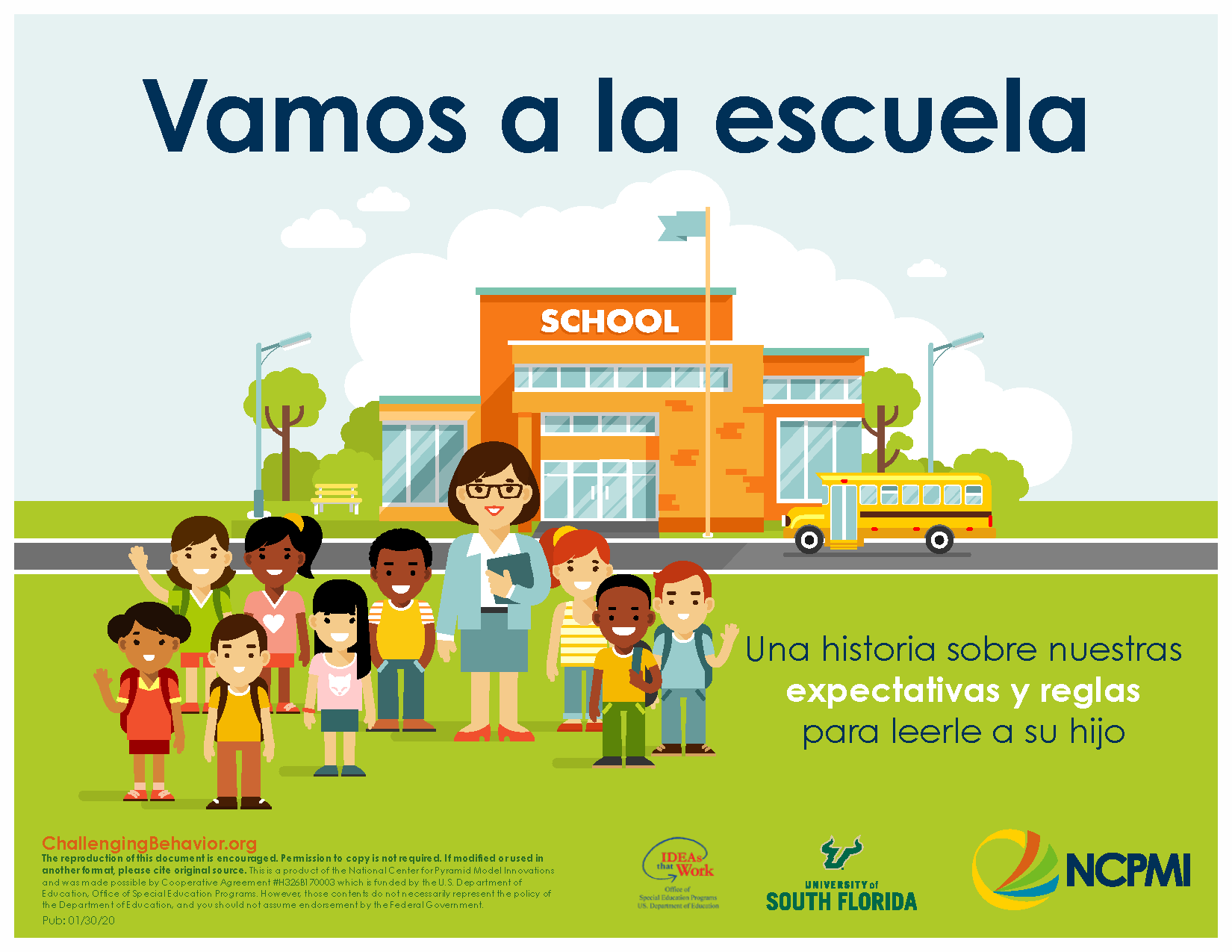
Use this scripted story to teach a child about the expectations and rules associated with going to school.
Scripted Stories for Social Situations help children understand social interactions, situations, expectations, social cues, the script of unfamiliar activities, and/or social rules.
Scripted Stories for Social Situations help children understand social interactions, situations, expectations, social cues, the script of unfamiliar activities, and/or social rules.
Scripted Stories for Social Situations help children understand social interactions, situations, expectations, social cues, the script of unfamiliar activities, and/or social rules.
Scripted Stories for Social Situations help children understand social interactions, situations, expectations, social cues, the script of unfamiliar activities, and/or social rules.

Scripted Stories for Social Situations help children understand social interactions, situations, expectations, social cues, the script of unfamiliar activities, and/or social rules.

Scripted Stories for Social Situations help children understand social interactions, situations, expectations, social cues, the script of unfamiliar activities, and/or social rules.

Scripted Stories for Social Situations help children understand social interactions, situations, expectations, social cues, the script of unfamiliar activities, and/or social rules.

Scripted Stories for Social Situations help children understand social interactions, situations, expectations, social cues, the script of unfamiliar activities, and/or social rules.

Scripted Stories for Social Situations help children understand social interactions, situations, expectations, social cues, the script of unfamiliar activities, and/or social rules.

Scripted Stories for Social Situations help children understand social interactions, situations, expectations, social cues, the script of unfamiliar activities, and/or social rules.
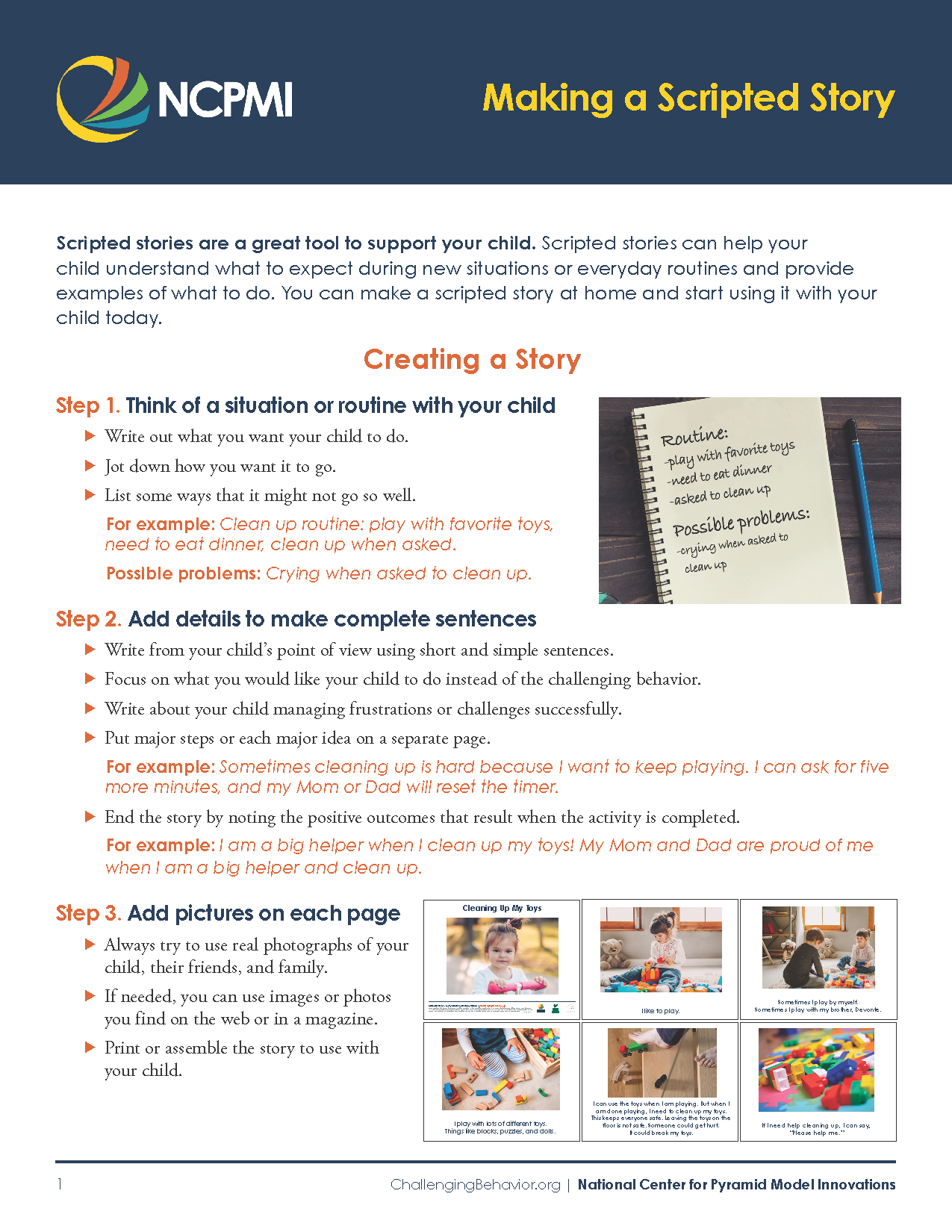
This tipsheet contains suggestions on how to develop and use scripted stories at home.
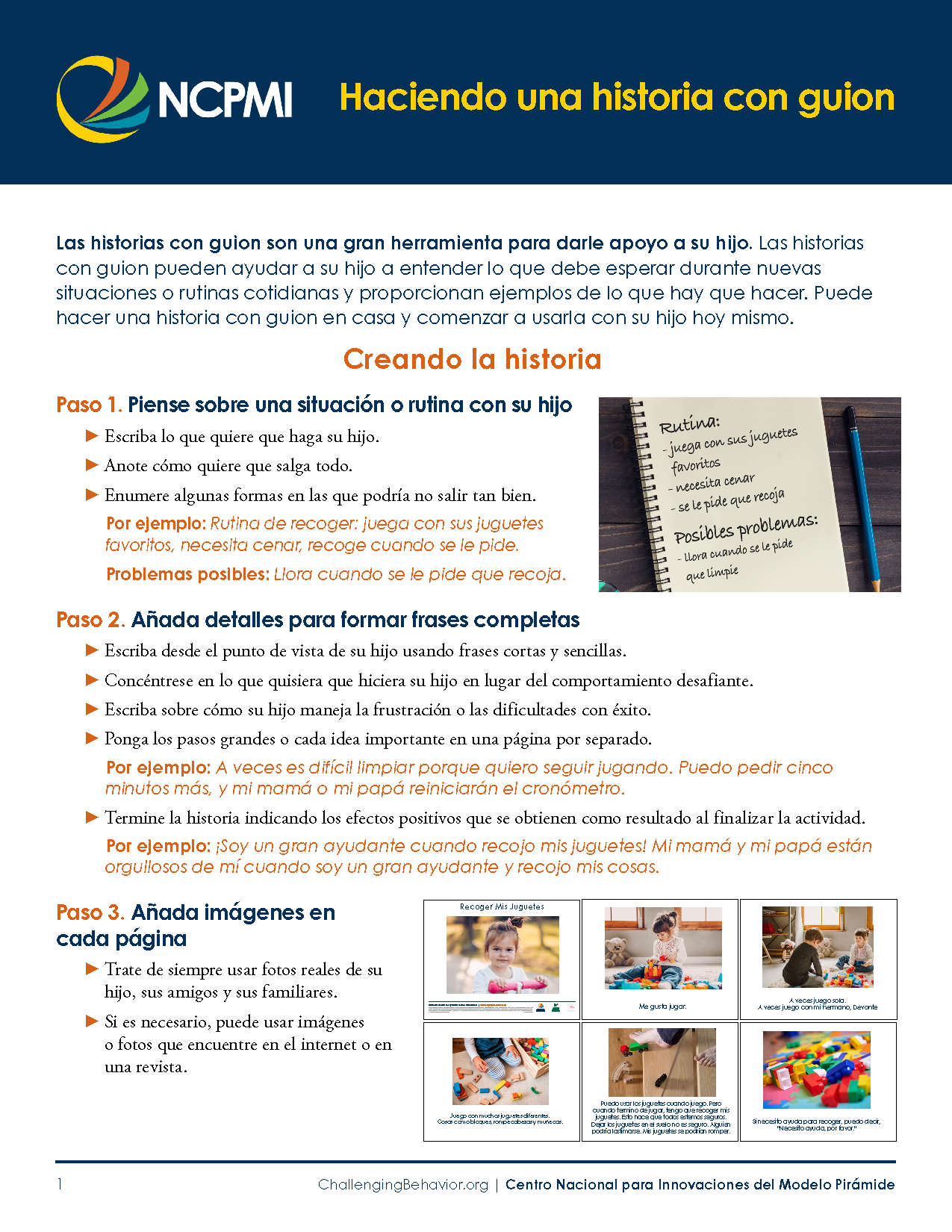
This tipsheet contains suggestions on how to develop and use scripted stories at home.
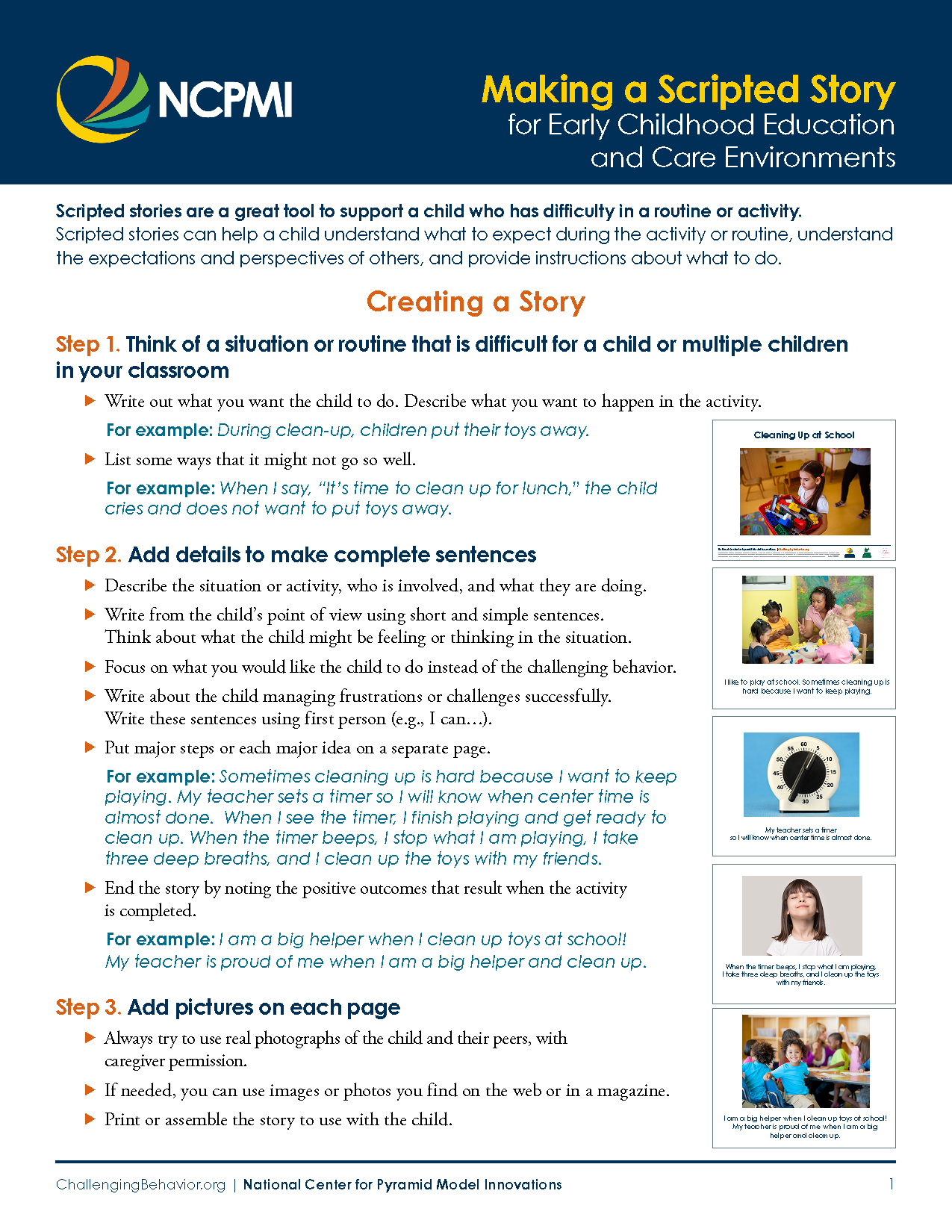
This tipsheet contains suggestions on how to develop and use scripted stories.
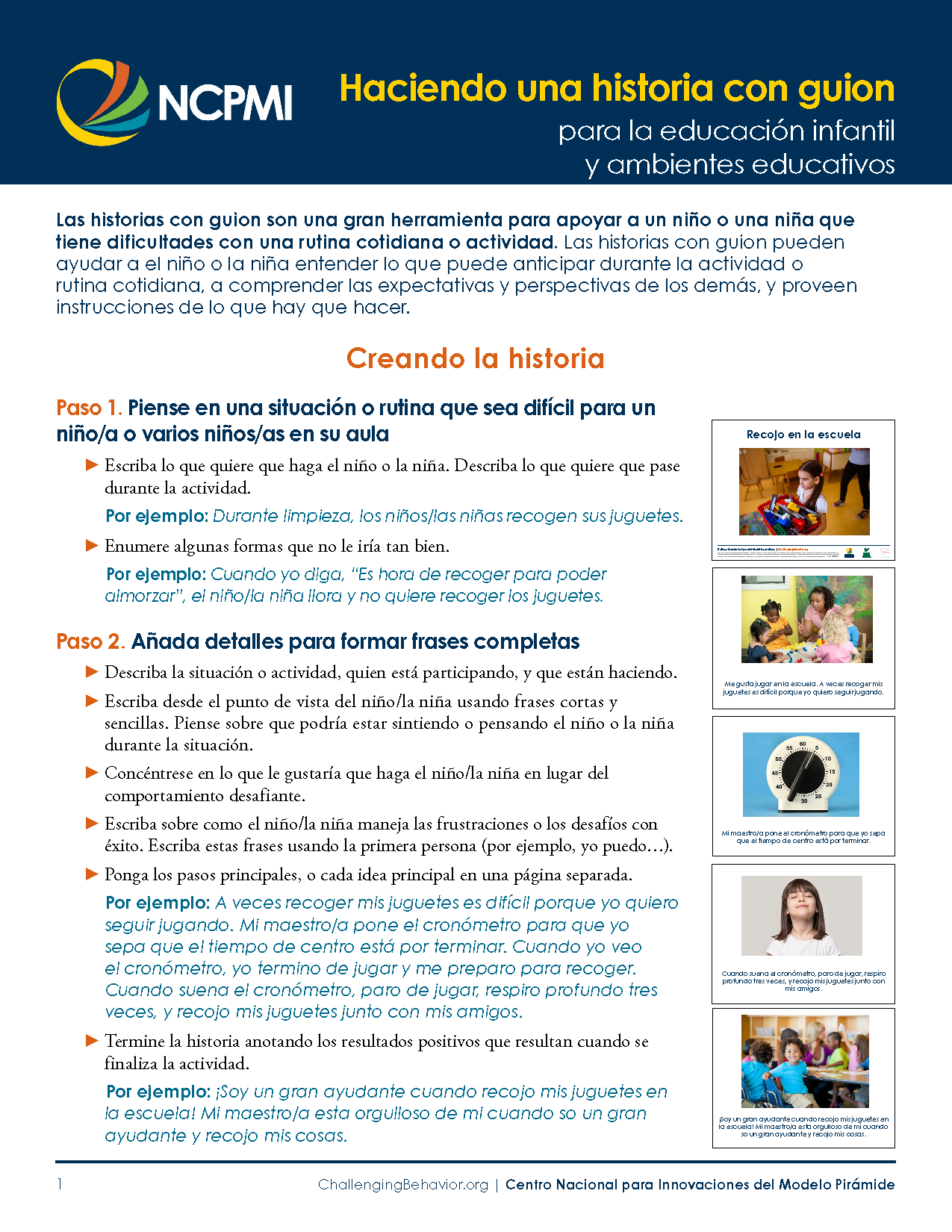
This tipsheet contains suggestions on how to develop and use scripted stories.
Use this scripted story to teach a child about the expectations and rules associated with going to school.
Use this scripted story to teach a child about the expectations and rules associated with going to school.
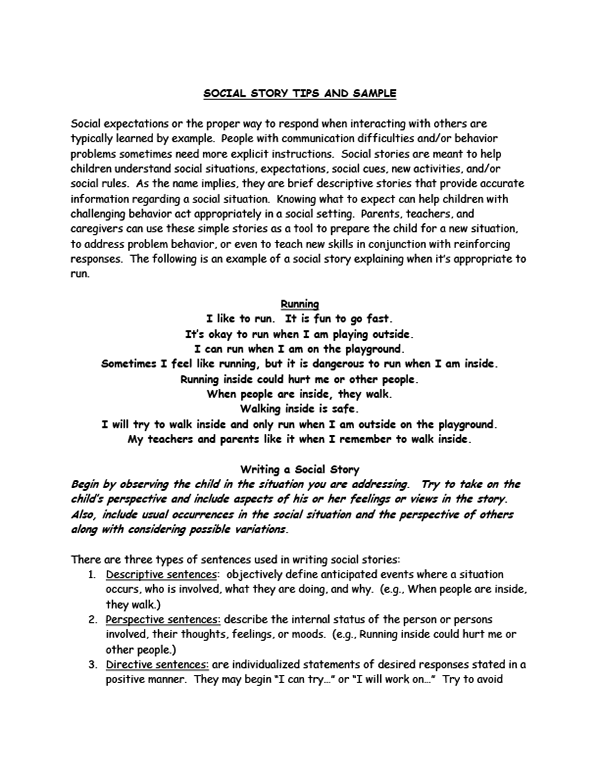

Use this sample scripted story to help support children when the day at school is different, specifically when children are temporarily in a different classroom with a new teacher.

Use this sample scripted story to help support children when the day at school is different, specifically when children are temporarily in a different classroom with a new teacher.
Use this scripted story to help children find a solution to her problem.
Use this scripted story to help children find a solution to her problem.
Use this scripted story to help children find a solution to her problem.
Use this scripted story to help children find a solution to her problem.
Tucker the Turtle provides a scripted story to teach young children how to calm down when they have strong feelings by tucking into their shell and taking deep breaths. The story also includes visuals to help children learn how to use the strategy.?
(La tortuga Tucker toma tiempo para detenerse y pensar) Tucker the Turtle provides a scripted story to teach young children how to calm down when they have strong feelings by tucking into their shell and taking deep breaths. The story also includes visuals to help children learn how to use the strategy.
Scripted story to help children understand the steps to problem solving. Includes problem scenario cards to help children practice finding a solution to common social problems.
Scripted story to help children understand the steps to problem solving. Includes problem scenario cards to help children practice finding a solution to common social problems.

This scripted story helps to explain to children the how, why, and when of wearing face masks.

This scripted story helps to explain to children the how, why, and when of wearing face masks.
Scripted Stories for Social Situations help children understand social interactions, situations, expectations, social cues, the script of unfamiliar activities, and/or social rules.
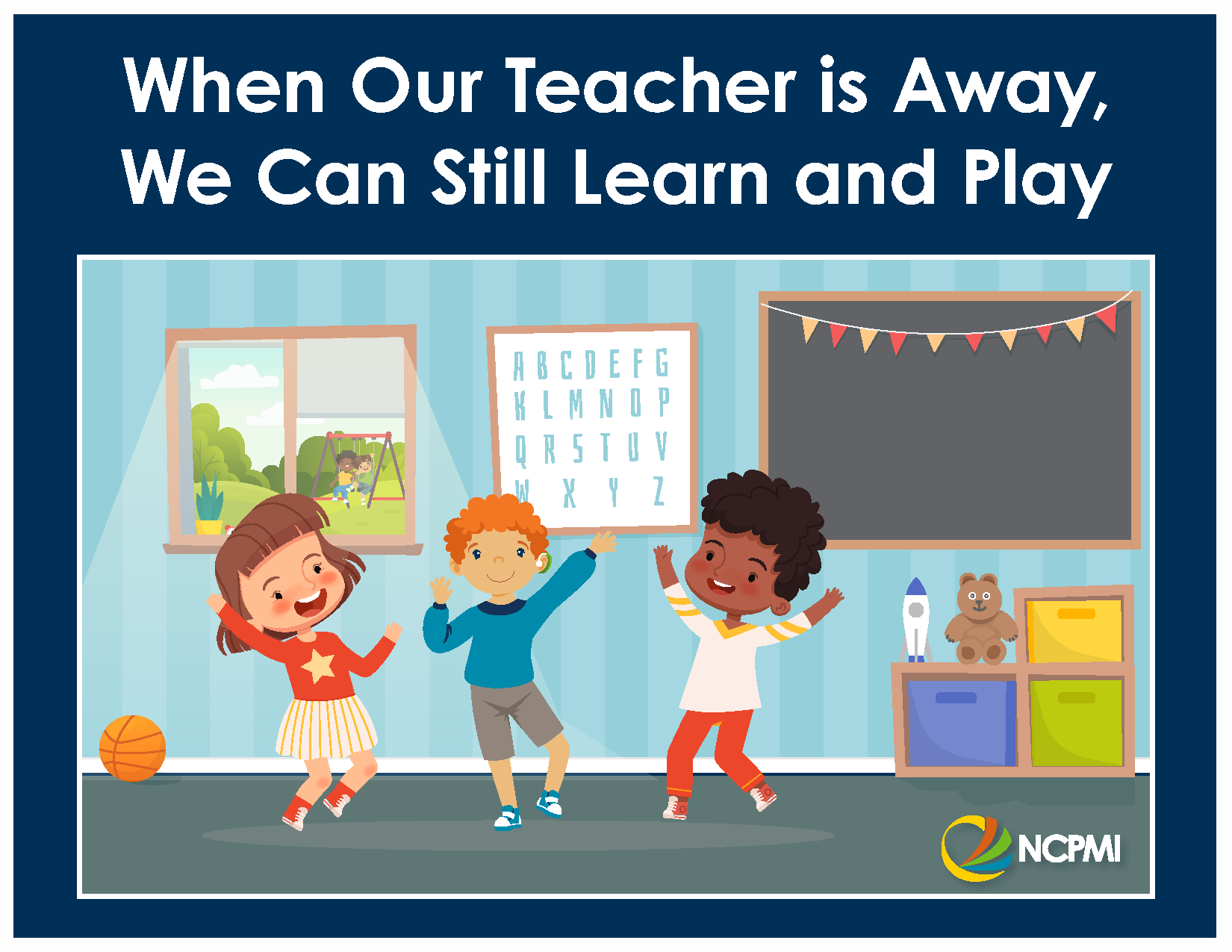
Use this sample scripted story to support children in the classroom when the teacher is away.
These easy-to-use guides were created especially for teachers/caregivers and parents to provide hands-on ways to embed social emotional skill building activities into everyday routines. Each book nook is comprised of ideas and activities designed around popular children’s books such as Big Al, Hands are Not for Hitting, On Monday When it Rained and My Many Colored Days. Examples of suggested activities include using rhymes to talk about being friends, making emotion masks to help children identify and talk about different feelings, playing games around what to do with hands instead of hitting and fun music and movement activities to express emotions.
These easy-to-use guides were created especially for teachers/caregivers and parents to provide hands-on ways to embed social emotional skill building activities into everyday routines. Each book nook is comprised of ideas and activities designed around popular children?s books
These easy-to-use guides were created especially for teachers/caregivers and parents to provide hands-on ways to embed social emotional skill building activities into everyday routines. Each book nook is comprised of ideas and activities designed around popular children?s books
These easy-to-use guides were created especially for teachers/caregivers and parents to provide hands-on ways to embed social emotional skill building activities into everyday routines. Each book nook is comprised of ideas and activities designed around popular children?s books
These easy-to-use guides were created especially for teachers/caregivers and parents to provide hands-on ways to embed social emotional skill building activities into everyday routines. Each book nook is comprised of ideas and activities designed around popular children?s books
These easy-to-use guides provide teachers, caregivers, and families ways to embed social-emotional skill-building activities into everyday routines. Each Book Nook is comprised of ideas and activities designed around popular children’s books.
These easy-to-use guides were created especially for teachers/caregivers and parents to provide hands-on ways to embed social emotional skill building activities into everyday routines. Each book nook is comprised of ideas and activities designed around popular children?s books
These easy-to-use guides were created especially for teachers/caregivers and parents to provide hands-on ways to embed social emotional skill building activities into everyday routines. Each book nook is comprised of ideas and activities designed around popular children?s books
These easy-to-use guides were created especially for teachers/caregivers and parents to provide hands-on ways to embed social emotional skill building activities into everyday routines. Each book nook is comprised of ideas and activities designed around popular children?s books
These easy-to-use guides were created especially for teachers/caregivers and parents to provide hands-on ways to embed social emotional skill building activities into everyday routines. Each book nook is comprised of ideas and activities designed around popular children?s books
These easy-to-use guides were created especially for teachers/caregivers and parents to provide hands-on ways to embed social emotional skill building activities into everyday routines. Each book nook is comprised of ideas and activities designed around popular children?s books
These easy-to-use guides were created especially for teachers/caregivers and parents to provide hands-on ways to embed social emotional skill building activities into everyday routines. Each book nook is comprised of ideas and activities designed around popular children?s books
These easy-to-use guides were created especially for teachers/caregivers and parents to provide hands-on ways to embed social emotional skill building activities into everyday routines. Each book nook is comprised of ideas and activities designed around popular children?s books
These easy-to-use guides were created especially for teachers/caregivers and parents to provide hands-on ways to embed social emotional skill building activities into everyday routines. Each book nook is comprised of ideas and activities designed around popular children?s books
These easy-to-use guides were created especially for teachers/caregivers and parents to provide hands-on ways to embed social emotional skill building activities into everyday routines. Each book nook is comprised of ideas and activities designed around popular children?s books

These easy-to-use guides were created especially for teachers/caregivers and parents to provide hands-on ways to embed social emotional skill building activities into everyday routines. Each book nook is comprised of ideas and activities designed around popular children?s books
These easy-to-use guides were created especially for teachers/caregivers and parents to provide hands-on ways to embed social emotional skill building activities into everyday routines. Each book nook is comprised of ideas and activities designed around popular children?s books
These easy-to-use guides were created especially for teachers/caregivers and parents to provide hands-on ways to embed social emotional skill building activities into everyday routines. Each book nook is comprised of ideas and activities designed around popular children?s books
These easy-to-use guides were created especially for teachers/caregivers and parents to provide hands-on ways to embed social emotional skill building activities into everyday routines. Each book nook is comprised of ideas and activities designed around popular children?s books
These easy-to-use guides were created especially for teachers/caregivers and parents to provide hands-on ways to embed social emotional skill building activities into everyday routines. Each book nook is comprised of ideas and activities designed around popular children?s books
These easy-to-use guides were created especially for teachers/caregivers and parents to provide hands-on ways to embed social emotional skill building activities into everyday routines. Each book nook is comprised of ideas and activities designed around popular children?s books
These easy-to-use guides were created especially for teachers/caregivers and parents to provide hands-on ways to embed social emotional skill building activities into everyday routines. Each book nook is comprised of ideas and activities designed around popular children?s books
Building Relationships

This document is designed to be used to gather information about the children in your classrooms. It will provide teachers with important information to help them build a relationship with each and every child and family.

This document is designed to be used to gather information about the children in your classrooms. It will provide teachers with important information to help them build a relationship with each and every child and family.
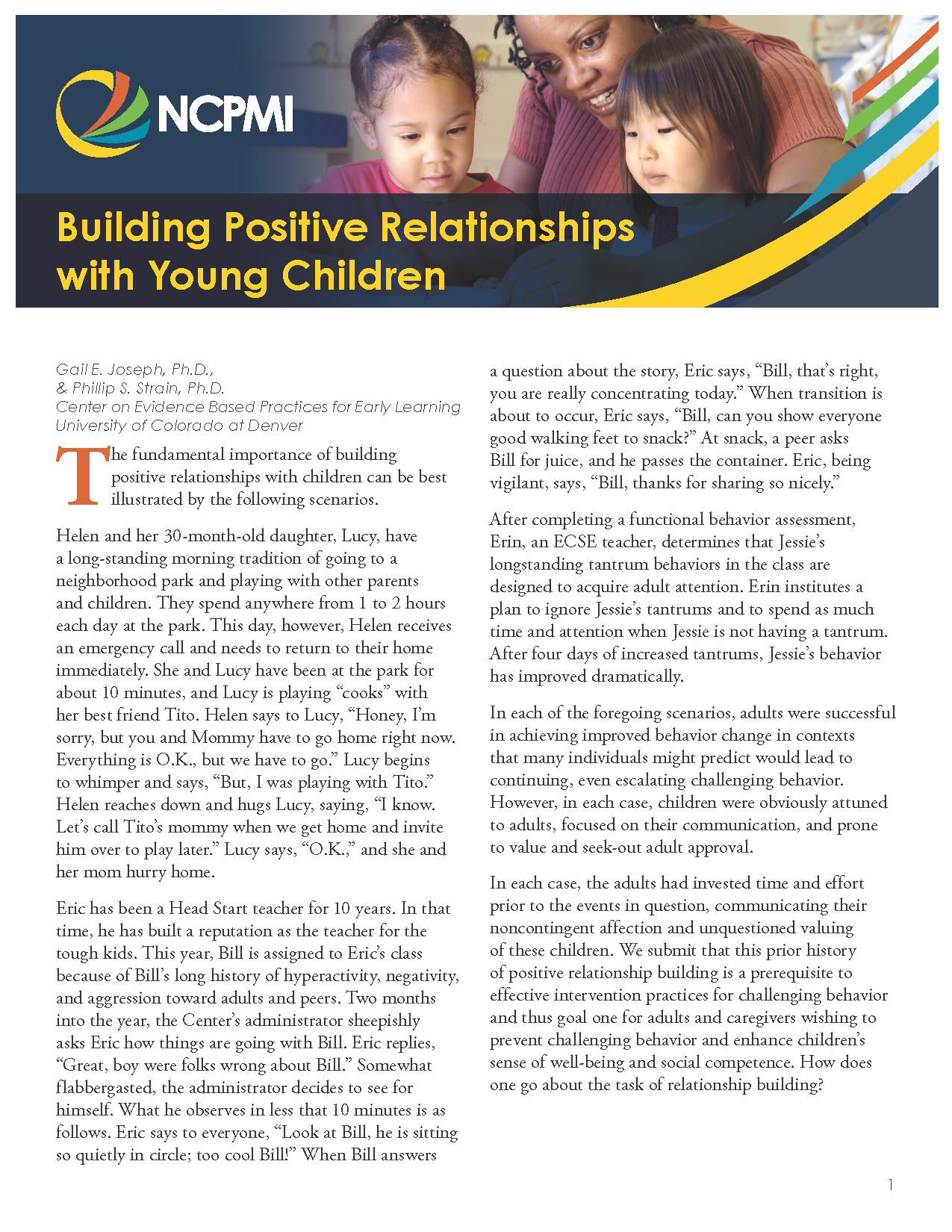
This handout describes the importance of building relationships with young children and contains practical strategies for for building positive relationships with children in the early childhood education setting.
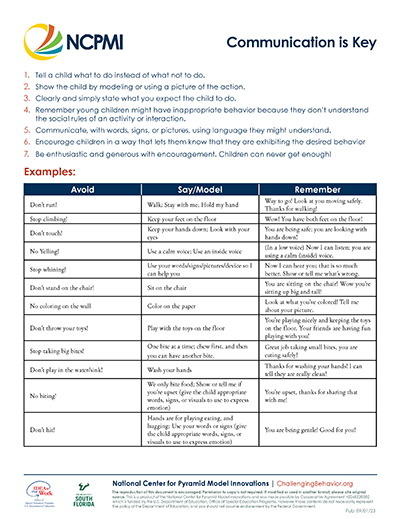

Think of all the ways you make connections with children as deposits into their “emotional piggy bank.” Playing, giving time and attention, and showing warmth and affection are just a few ways we can make deposits. Fill in the coins on the worksheet with ideas of how you will build responsive relationships with children.? Being purposeful and consistent in the way we create nurturing and responsive relationships with children is the foundation for social-emotional learning.
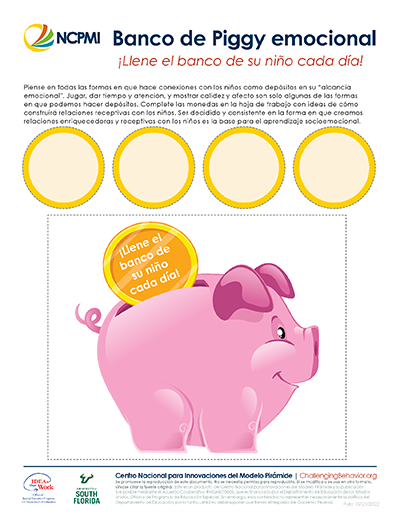
Think of all the ways you make connections with children as deposits into their “emotional piggy bank.” Playing, giving time and attention, and showing warmth and affection are just a few ways we can make deposits. Fill in the coins on the worksheet with ideas of how you will build responsive relationships with children.? Being purposeful and consistent in the way we create nurturing and responsive relationships with children is the foundation for social-emotional learning.
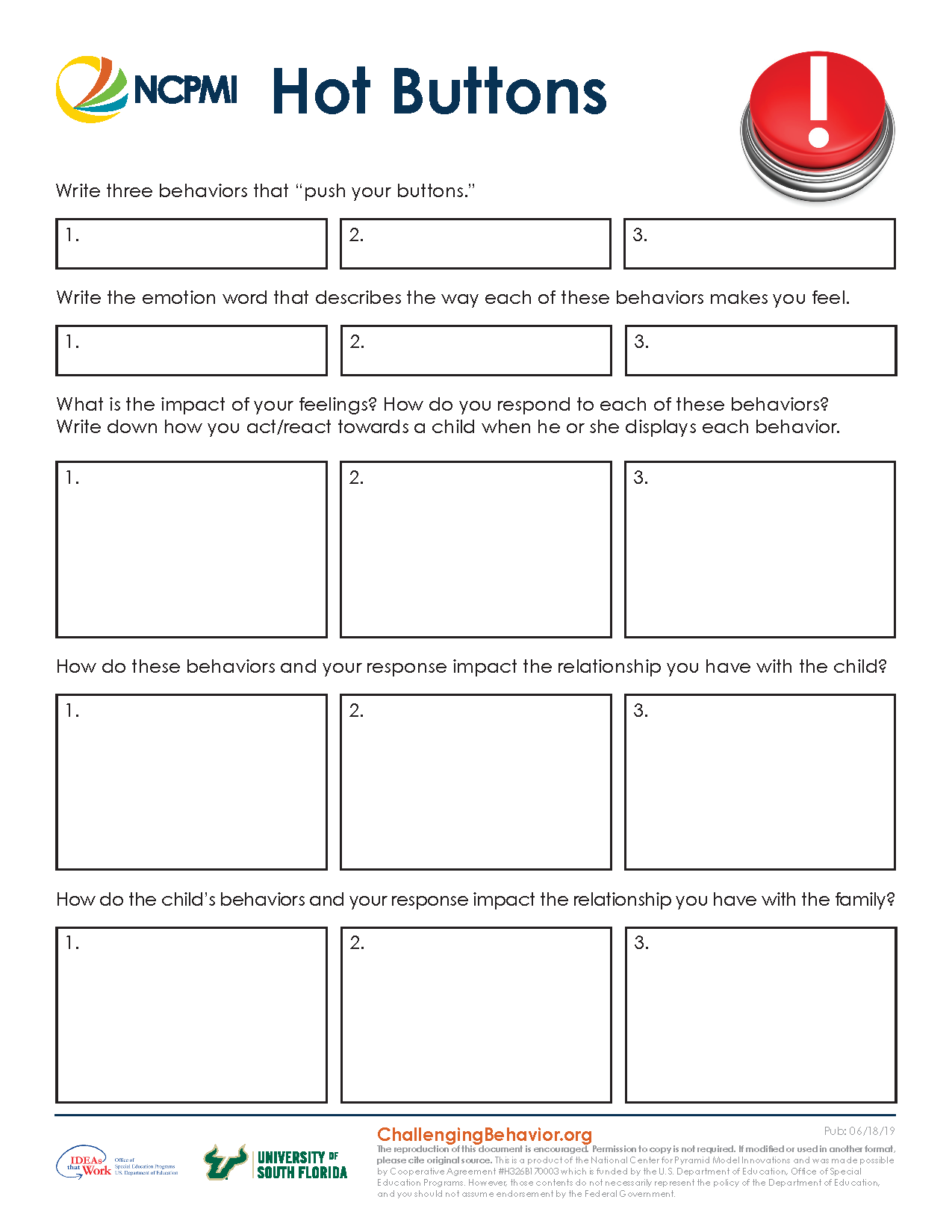
This handout helps practitioners examine how challenging behavior impacts adult-child relationships.
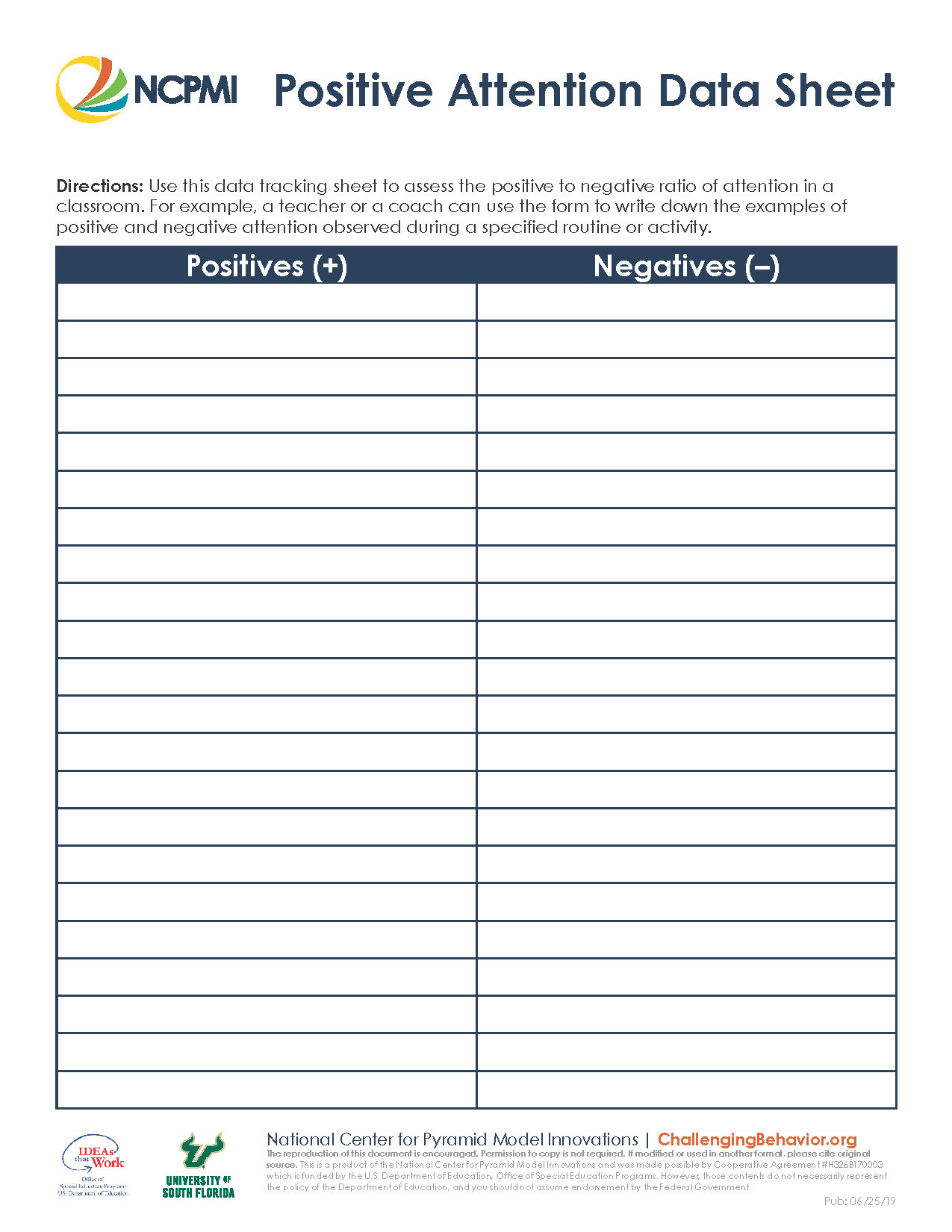
Use this data tracking sheet to assess the positive to negative ratio of attention in a classroom. For example, a teacher or a coach can use the form to write down the examples of positive and negative attention observed during a specified routine or activity.
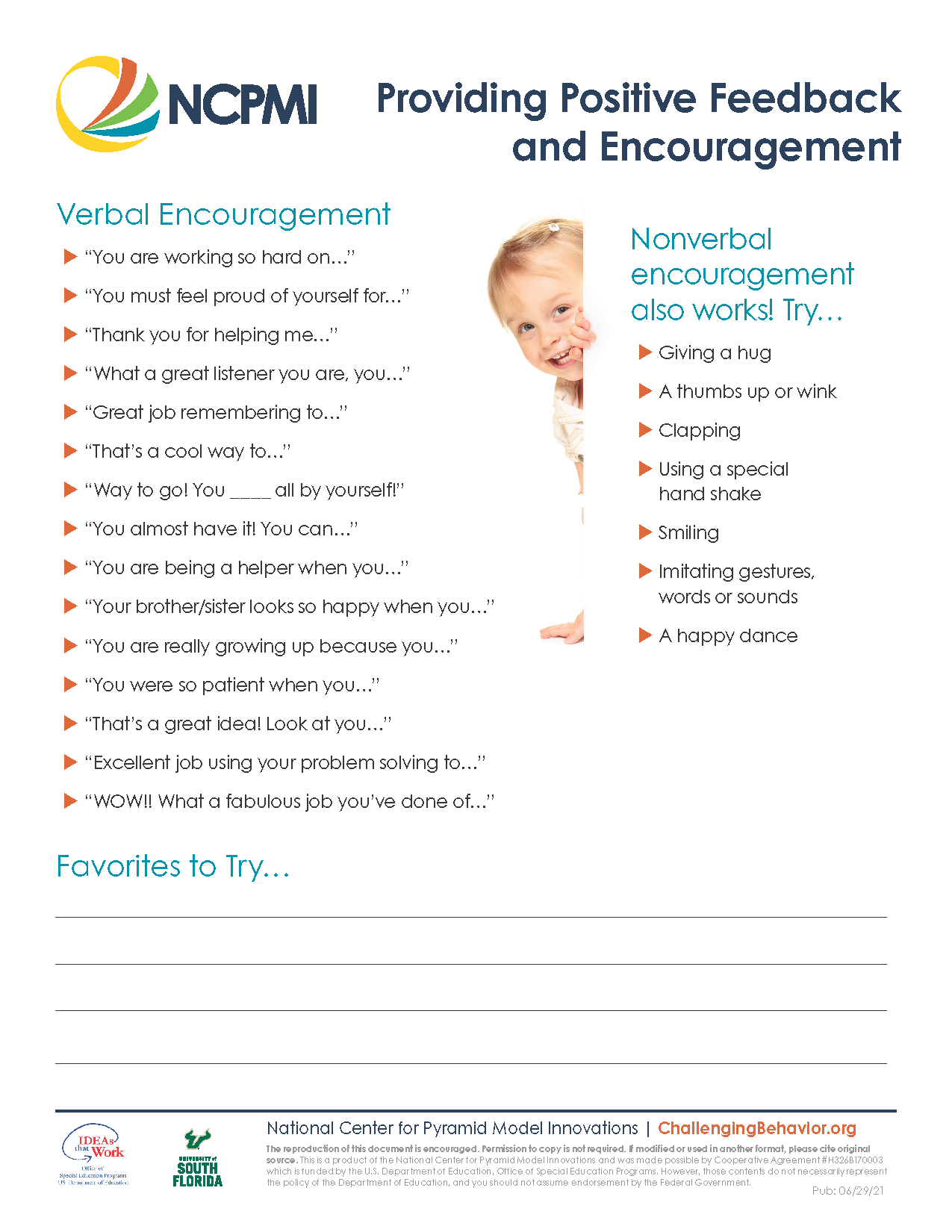
Providing positive encouragement is a powerful practice for helping children meet behavior expectations. This fact sheet provides ideas for how caregivers can deliver positive encouragement.

Use this tip sheet to help practitioners of infants and toddlers intentionally plan and think about how to reconnect, help children transition back to the classroom, and support children’s social and emotional development after being away from the program.

Rebuilding the Pyramid: Reconnecting After a Break is a one page tip sheet to help preschool practitioners intentionally plan and think about how to support children’s use of social and emotional skills that are important to re-teach or remind children after being away from a classroom. Areas to focus on include: schedules and routines, supportive conversations, expectations and rules, positive descriptive feedback and emotional support.
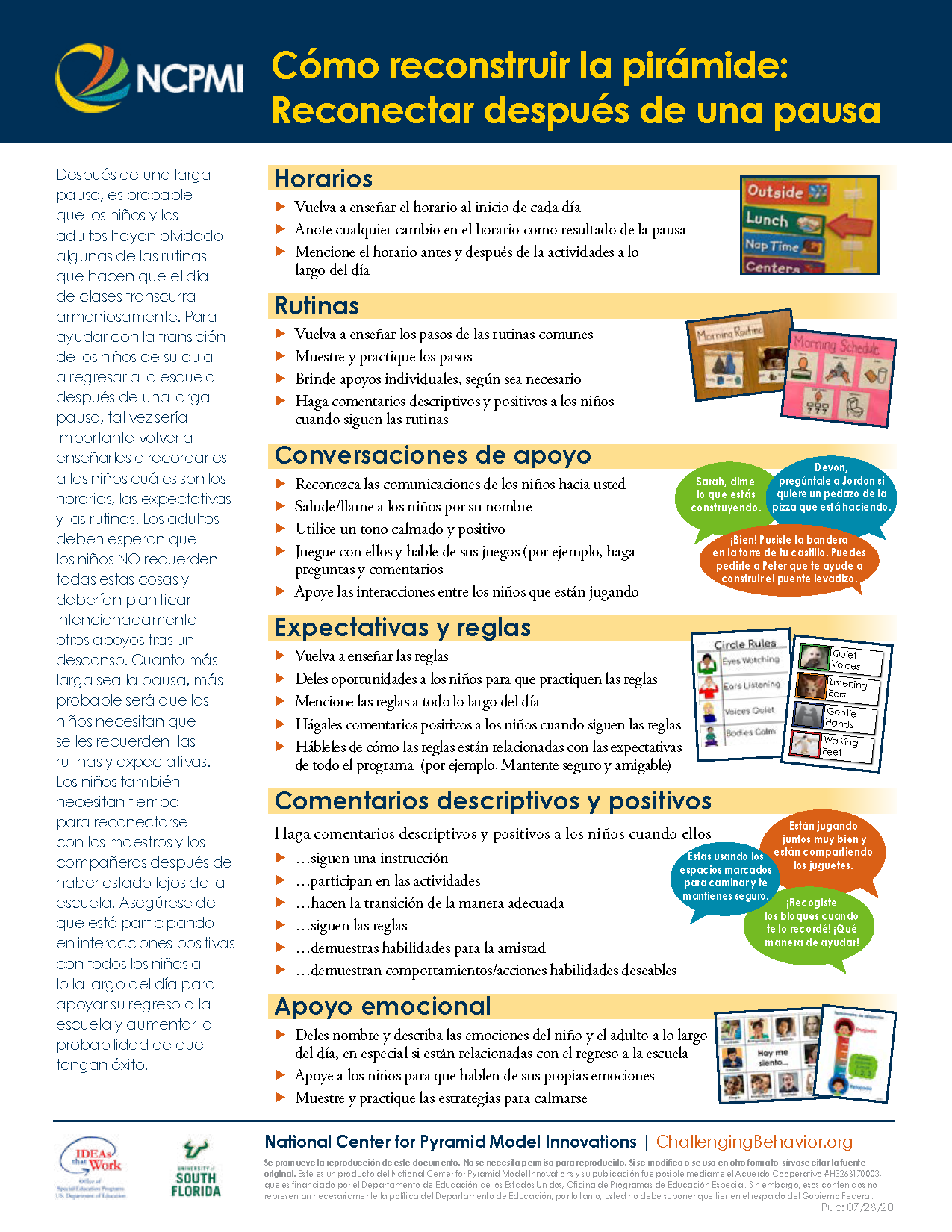
Rebuilding the Pyramid: Reconnecting After a Break is a one page tip sheet to help preschool practitioners intentionally plan and think about how to support children’s use of social and emotional skills that are important to re-teach or remind children after being away from a classroom. Areas to focus on include: schedules and routines, supportive conversations, expectations and rules, positive descriptive feedback and emotional support.
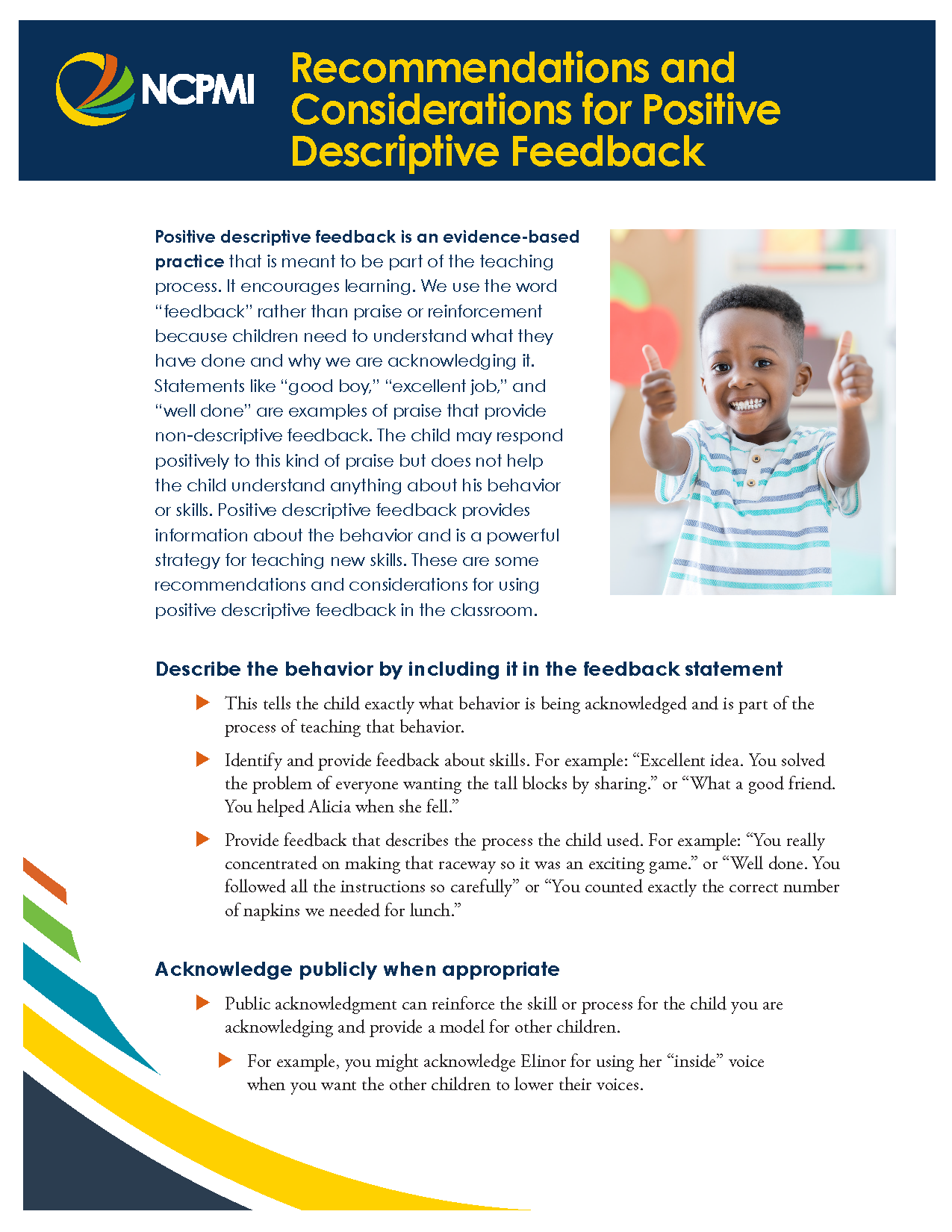
Positive descriptive feedback is a powerful strategy for teaching new skills and maintaining learned skills. By providing information about the child’s behavior as part of the feedback, the teacher helps the child understand what they have done and why it is being acknowledged.
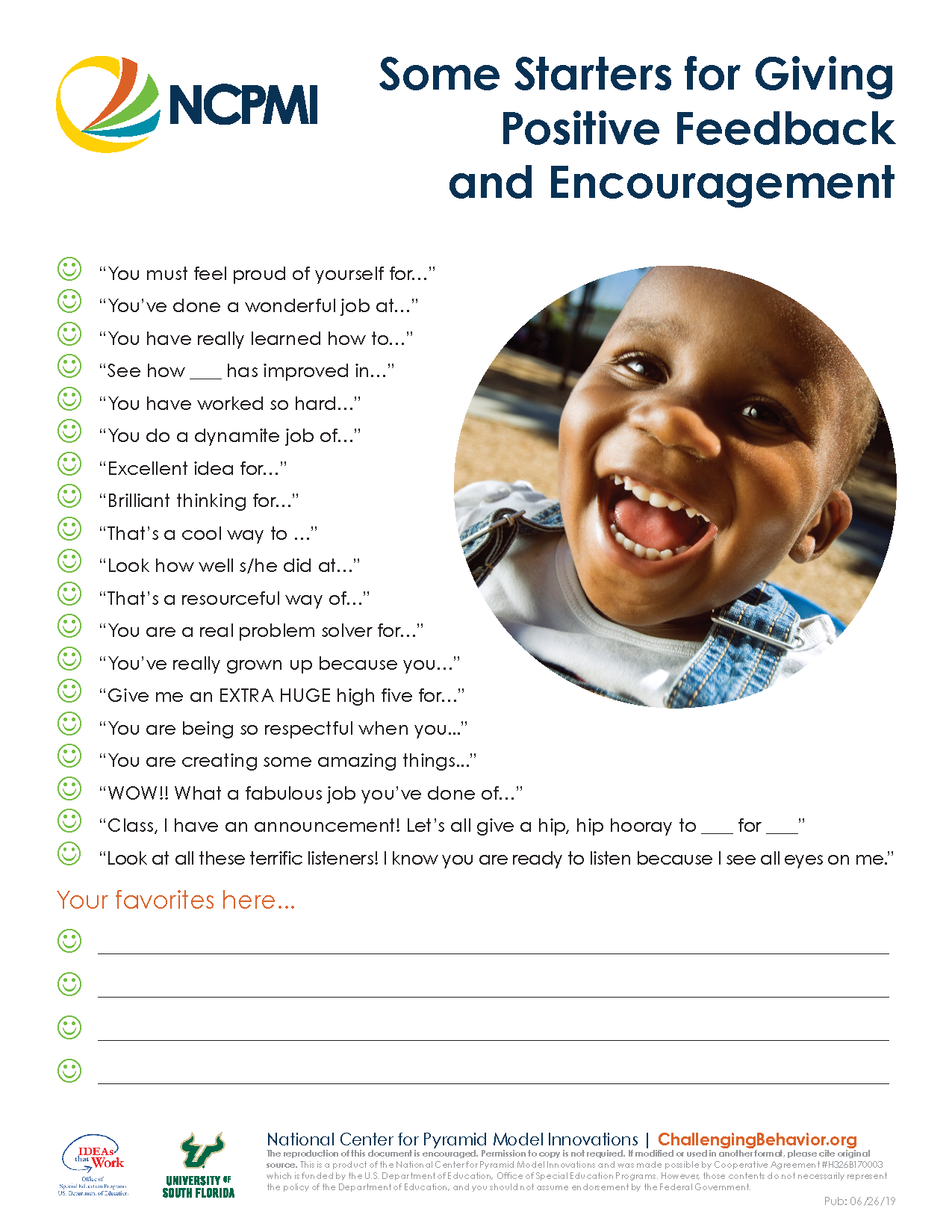
Tips for descriptive feedback
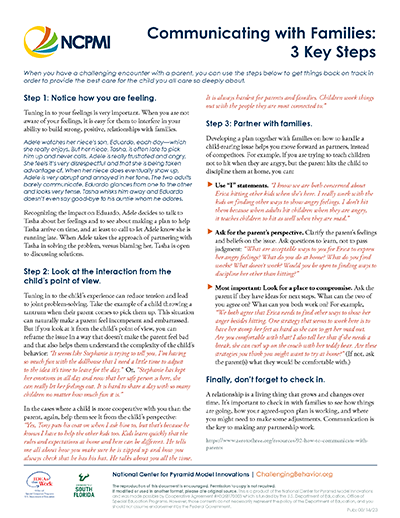
This resource provides three steps for teachers to follow when they have a challenging encounter with a family to get things back on track in order to provide the best care for the child and the family.
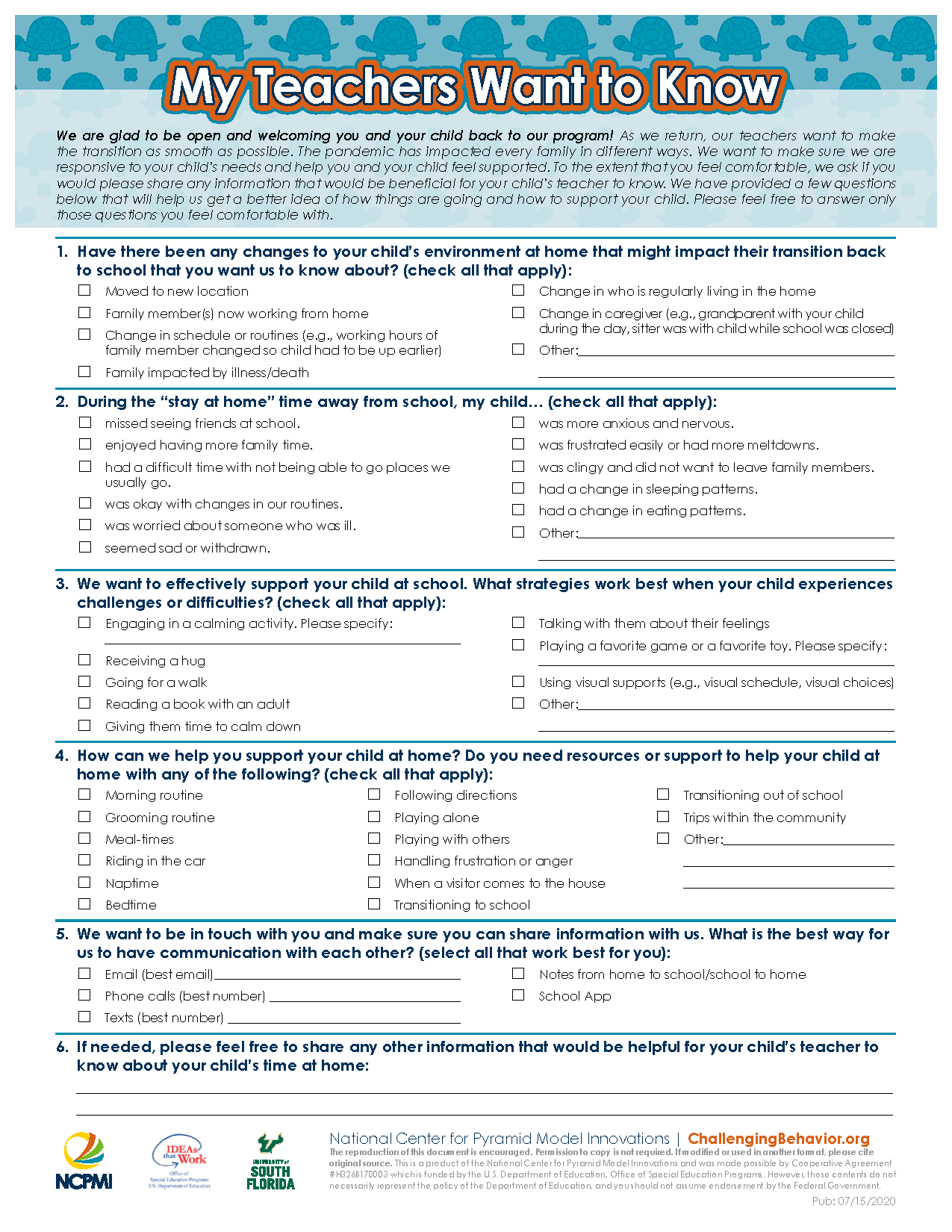
Programs can use this form to gather information from families as to the impact from the pandemic and best ways to support the child and family.
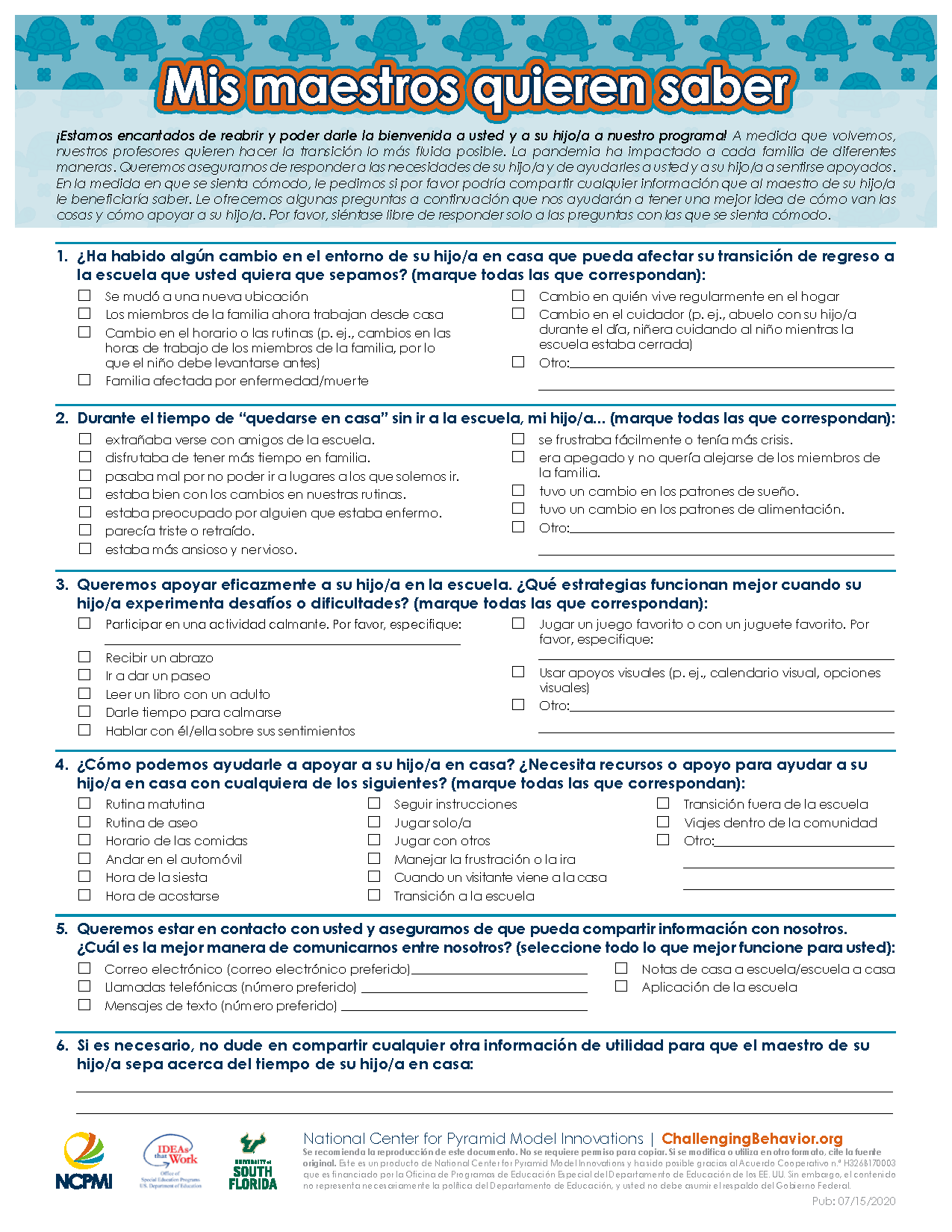
Programs can use this form to gather information from families as to the impact from the pandemic and best ways to support the child and family.
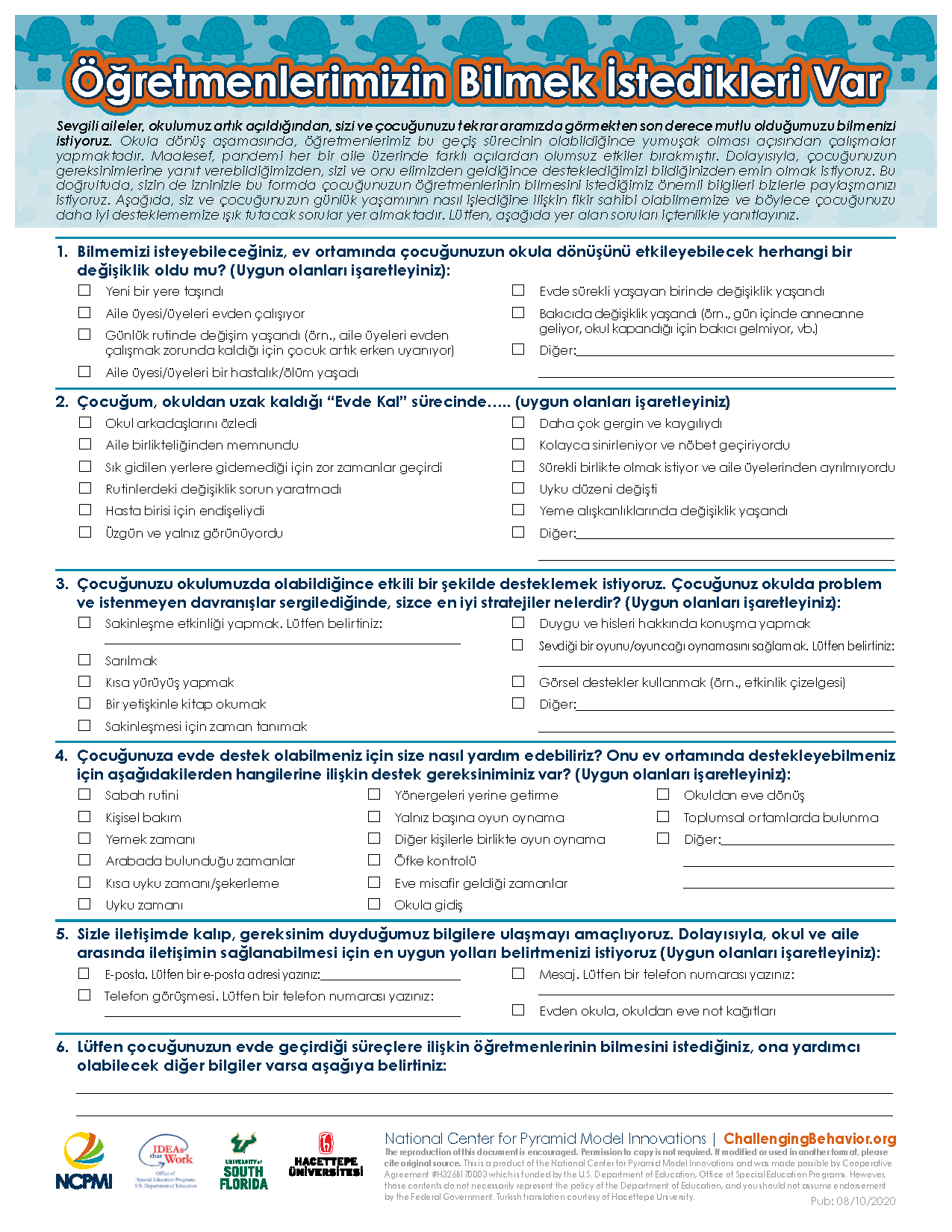
Programs can use this form to gather information from families as to the impact from the pandemic and best ways to support the child and family.
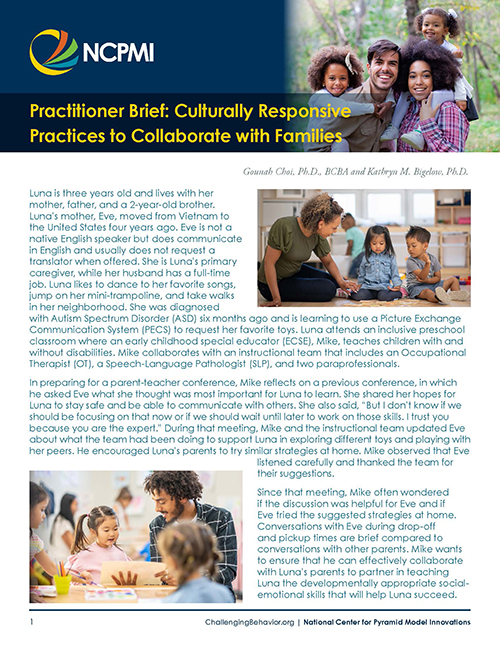
This brief provides practitioners with practical strategies for building relationships and collaborating with families from racially and ethnically diverse cultural backgrounds. It identifies common challenges and offers strategies for addressing them.
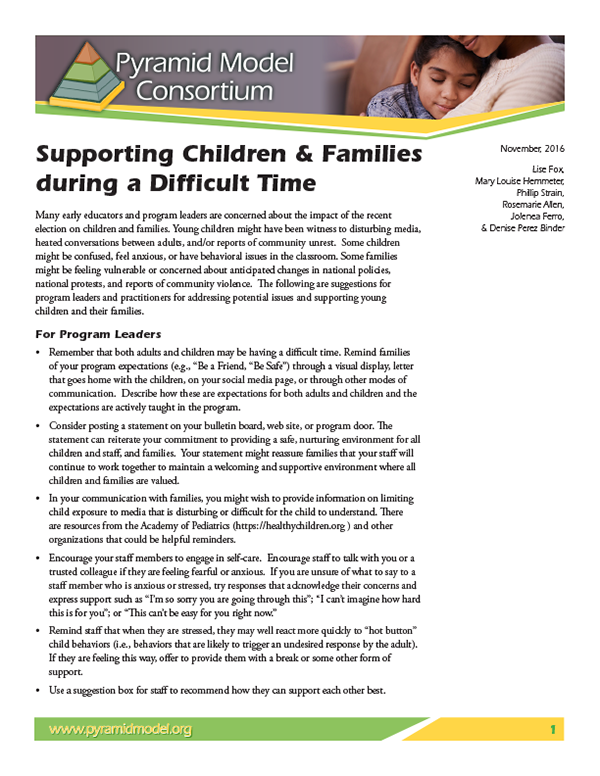
This fact sheet provides guidance for supporting children and families during difficult circumstances (e.g., national protests, community violence).
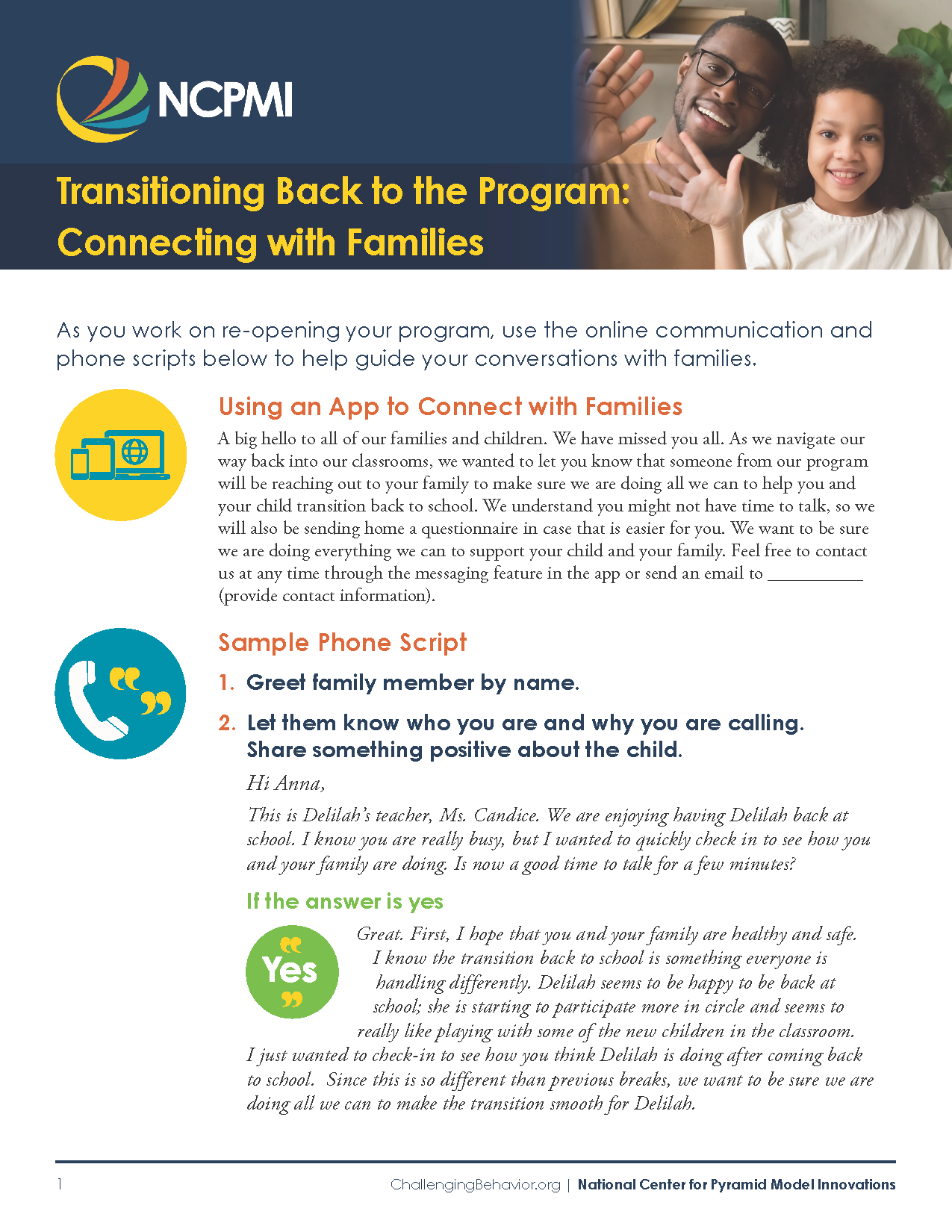
As early childhood programs work on re-opening after a long closure, they can use these online communication and phone scripts to help guide your conversations with families.
Related Resources
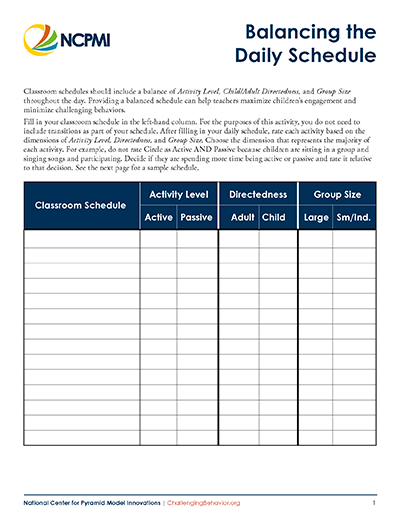
This handout helps preschool teachers to develop balanced daily schedules including considerations such as Activity Level, Child/Adult Directedness, and Group Size throughout the day.
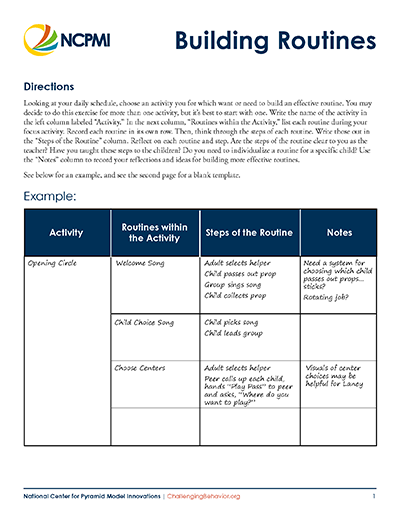
This handout helps preschool teachers to identify routines for activities occurring in the classroom. The template is designed so teachers can think through each step of the routine, how to teach the steps, and how to individualize them. Use the example for guidance.
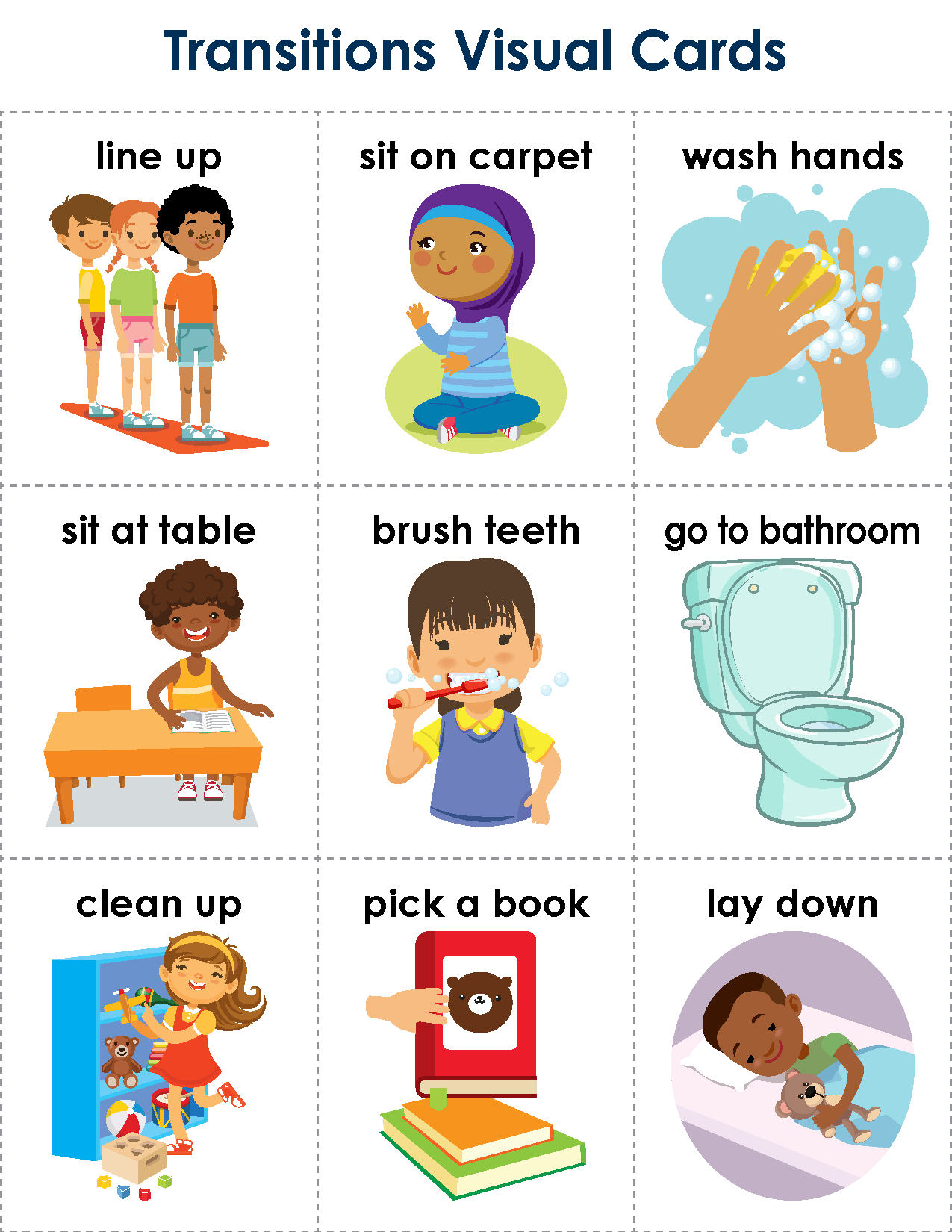
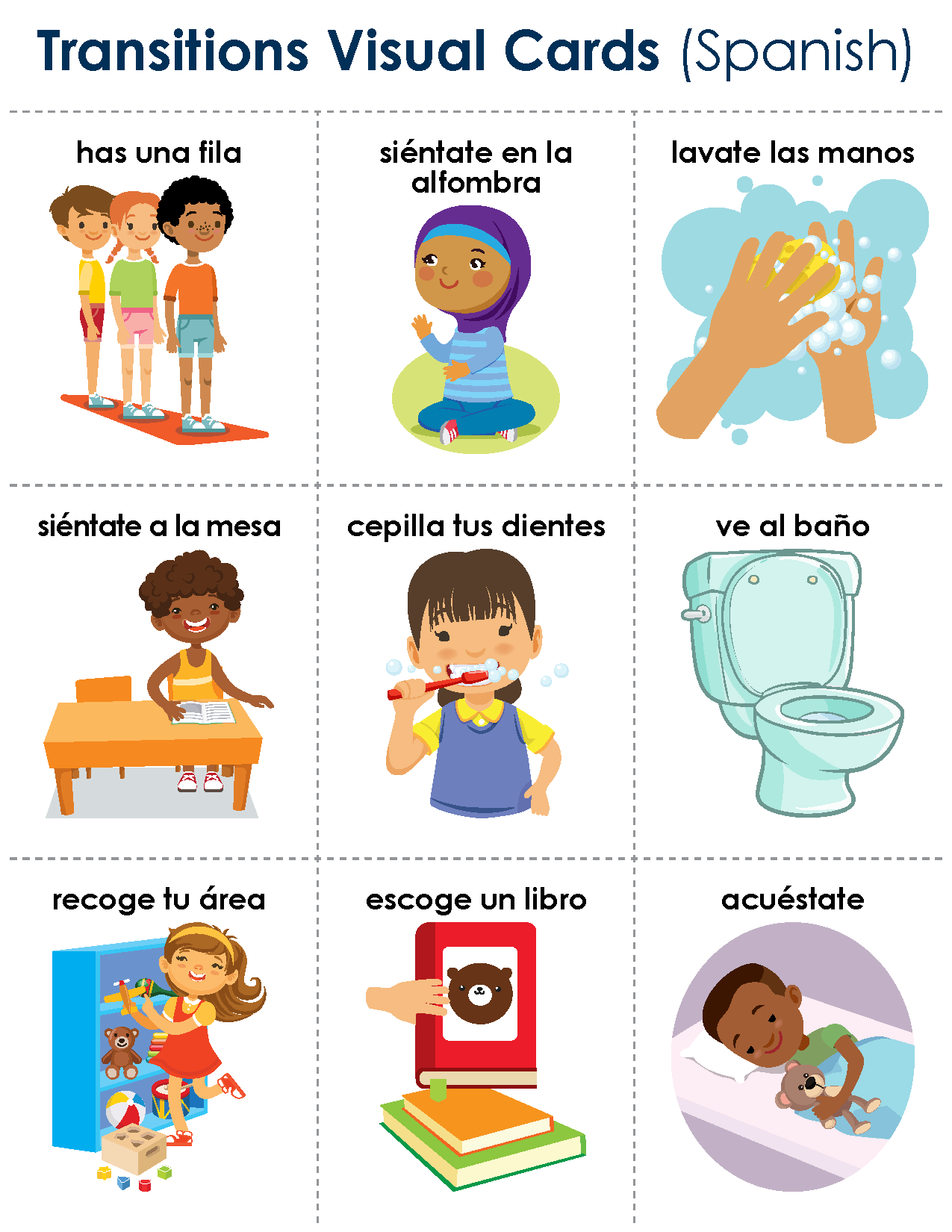
Teachers and parents can use these strategies and visual cards to help young children transition smoothly between activities.
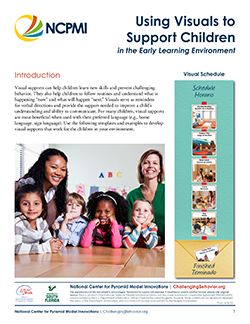
Guide to using visuals and schedules for supporting children. Includes templates for visual cards and first/then boards.

Brief video (9 min) that describes the strategies that might be used by early childhood programs and educators to promote social and emotional skills and prevent challenging behavior. The video provides information on universal and targeted practices and materials that might be used.
Brief video (9 min) that describes the strategies that might be used by early childhood programs and educators to promote social and emotional skills and prevent challenging behavior. The video provides information on universal and targeted practices and materials that might be used.

The role of practitioner coaches is to use Practice-Based Coaching (PBC) to build the capacity of early childhood practitioners to effectively use Pyramid Model practices to foster positive outcomes for young children. But who supports their knowledge and skill building?
Join us for a conversation featuring a program implementation coach and a practitioner coach as they share their experiences, practical strategies, and lessons learned in building the capacity of coaches within their early childhood program. Whether you are a program leader, coach, or professional development provider, this discussion will offer valuable perspectives on developing a sustainable coaching system.
Teacher notices children needed support to problem solve and the solution they choose is a calm down strategy. Includes modeling, guided practice, and visuals.
Teacher reads a story and talks about emotions with the children.
Child is coloring a picture of a turtle and the teacher takes the opportunity to teach an impromptu lesson on Tucker the Turtle.
This 28-minute video highlights strategies and approaches that early childhood personnel and families can use to systematically target social-emotional supports that build young children?s skills in a variety of areas including making friends, problem solving, asking an adult for help, talking about feelings, and managing their emotions. The strategies rely on a 3-stage approach to supporting young children’s social-emotional development by (1) introducing and practicing a skill, (2) building fluency and competency with a skill, and (3) ensuring there is maintenance of a skill. The video provides multiple examples of early childhood personnel demonstrating how to introduce a skill using a variety of tools, practice a skill through planned and unscripted activities, and maintain the skill by recognizing children for using the skill on their own.?
This 28-minute video highlights strategies and approaches that early childhood personnel and families can use to systematically target social-emotional supports that build young children’s skills in a variety of areas including making friends, problem solving, asking an adult for help, talking about feelings, and managing their emotions. The strategies rely on a 3-stage approach to supporting young children’s social-emotional development by (1) introducing and practicing a skill, (2) building fluency and competency with a skill, and (3) ensuring there is maintenance of a skill. The video provides multiple examples of early childhood personnel demonstrating how to introduce a skill using a variety of tools, practice a skill through planned and unscripted activities, and maintain the skill by recognizing children for using the skill on their own.
Teacher guides children having a disagreement through the problem-solving steps and celebrates when they select and use a solution.
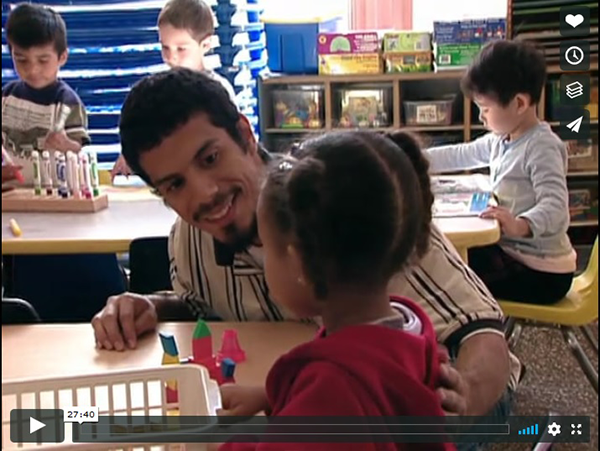
This video was designed to provide a foundation for understanding the Pyramid Model as a framework for promoting young children?s social and emotional development and preventing and addressing challenging behavior. This video is a perfect way to be introduced to and become familiar with the Pyramid Model framework and is available with both English and Spanish open captioning. (26 min)
This video was designed to provide a foundation for understanding the Pyramid Model as a framework for promoting young children?s social and emotional development and preventing and addressing challenging behavior. This video is a perfect way to be introduced to and become familiar with the Pyramid Model framework and is available with both English and Spanish open captioning. (26 min)
Teacher asks children to share how they were a super friend today.
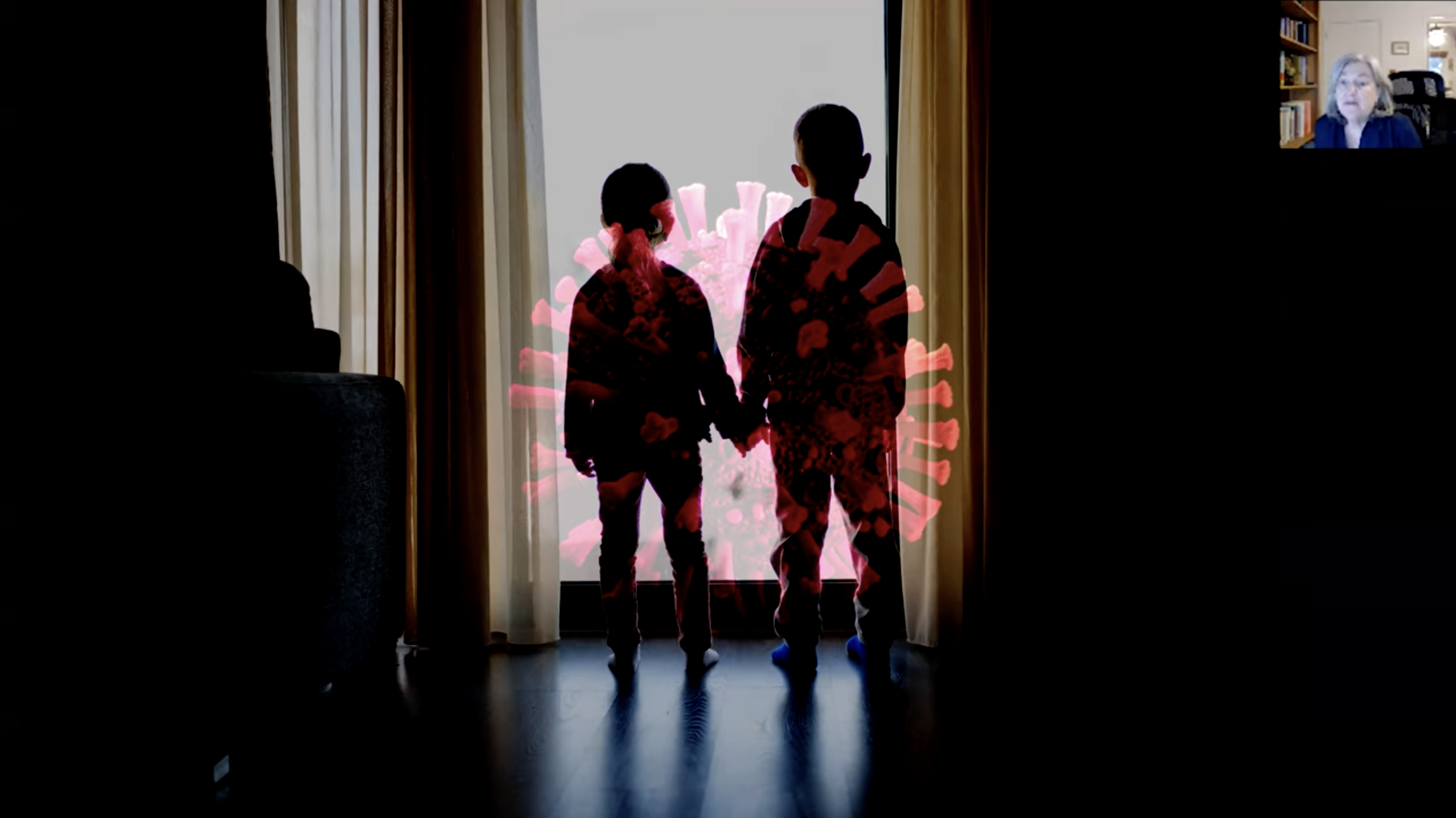
Brief video (9 minutes) that describes the impact of COVID-19 and potential impact on children’s social-emotional wellness. The video provides guidance on pivotal practices that can promote social-emotional skill development and how programs can use a trauma -informed care approach.
Brief video (9 minutes) that describes the impact of COVID-19 and potential impact on children’s social-emotional wellness. The video provides guidance on pivotal practices that can promote social-emotional skill development and how programs can use a trauma-informed care approach.
Teacher asks open ended questions about how the characters in the book are feeling. Children think, pair, share to brainstorm responses.
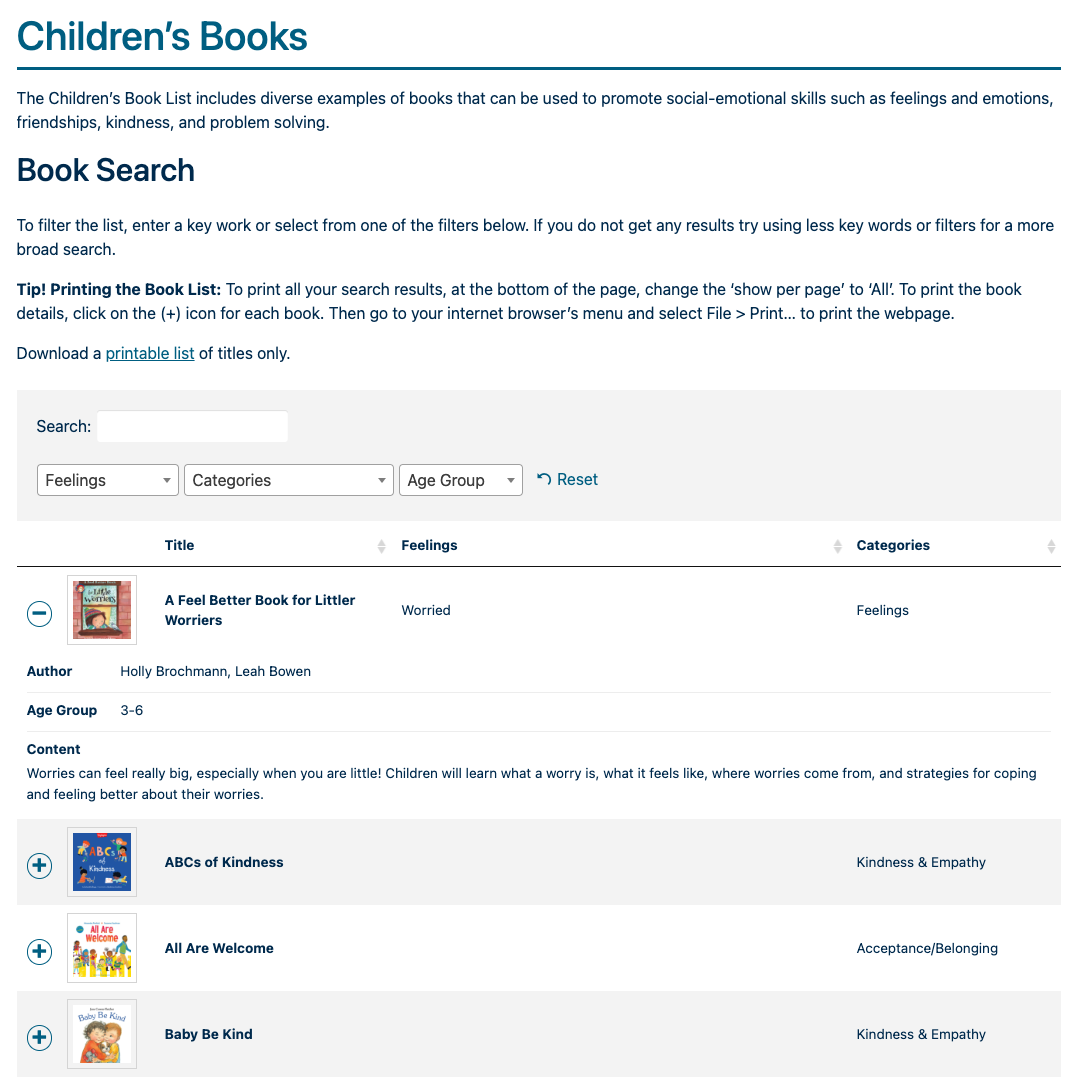
The Children’s Book List includes diverse examples of books that can be used to promote social-emotional skills such as feelings and emotions, friendships, kindness, and problem solving.

A printable version of the online children’s book list with book titles only. For complete list with descriptions, see Children’s Book List page.
Last Updated: 10/01/2024 ADA updates
Created: 08/16/2022
The role of practitioner coaches is to use Practice-Based Coaching (PBC) to build the capacity of early childhood practitioners to effectively use Pyramid Model practices to foster positive outcomes for young children. But who supports their knowledge and skill building?
Join us for a conversation featuring a program implementation coach and a practitioner coach as they share their experiences, practical strategies, and lessons learned in building the capacity of coaches within their early childhood program. Whether you are a program leader, coach, or professional development provider, this discussion will offer valuable perspectives on developing a sustainable coaching system.

This practice brief provides prevention strategies to help children with challenging behavior who have been exposed to trauma and strategies for responding to children when they are trauma-activated.
Part guide and part planning tool, this resource, created in collaboration with the TIES Center, helps early childhood teams and families partner to build more inclusive programs and environments where every family feels a sense of belonging. Centered on the experiences of families, it outlines ten dimensions of belonging, offers prompts for shared reflection, and provides a planning tool to move from insight to action. Designed for practitioners, specialists, and program leaders supporting children and their families from birth to age eight, this tool can be used in family meetings, team discussions, and/or leadership planning to celebrate what’s working, identify areas for growth, and plan next steps together in partnership with families.

Guidance on how adults can use neutralizing routines to stay calm when guiding a child whose behavior is challenging.
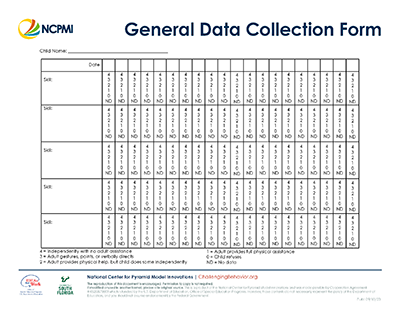
This data collection form can be used to collect data on child’s progress in targeted skill development. This form can hold up to one month of data, can track more than one goal, and is scored on the level of help most often used for the child to successfully complete the skill or behavior.
Leadership practices for creating systems and relationships that support staff, families, and children.
This resource provides teams and individuals with a wealth of resources and materials on Functional Behavioral Assessment (FBA) and the Individualized Positive Behavior Support (IPBS) process used for Intensive Individualized Interventions.
Created: 11/01/2024

When children engage in behavior that pushes your buttons, it is important to be intentional in how you respond. This resource provides strategies that you might use when a child’s behavior pushes your buttons to help you respond in a way that is supportive of the child.
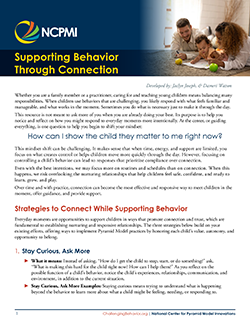
Supporting Behavior Through Connection is a practical resource for families and early childhood practitioners that shifts the focus from compliance to connection. It offers simple, relationship-centered strategies to respond to challenging behavior in ways that help children feel safe, valued, and supported. The resource describes three practices, including examples and prompts, that can be used in everyday routines to build trust and connection with children.

This resource offers guidance on supporting children after stressful events and includes strategies for families and caregivers to create safety and predictability through routines, clear communication, and emotional connection.

This guide provides Pyramid Model leadership teams and practitioners with guidance on developing and implementing Tier 2 within the Pyramid Model.
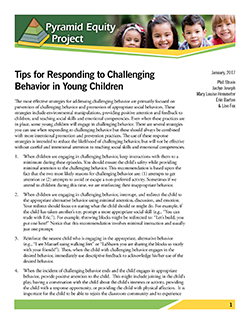
Tips for how to respond to challenging behavior when it occurs in the classroom.




Link to this accordion
In this article we look at the secondary level of the teaching pyramid, which emphasizes planned instruction on specific social and emotional skills for children at risk for developing more challenging behavior, such as severe aggression, property destruction, noncompliance, or withdrawal. Children who may be considered at risk for challenging behavior are persistently noncompliant, have difficulty regulating their emotions, do not easily form relationships with adults and other children, have difficulty engaging in learning activities, and are perceived by teachers as being likely to develop more intractable behavior problems. (Published in Young Children, November 2006)
These colorful posters serve as a great visual reminder to teach social and emotional skills All Day, Every Day.
Banking Time is a strategy that focuses on improving the relationship between an individual child and their teacher. Learn the strategies to implement the intervention and use the reflective companion to support your implementation.
Children benefit from organized classroom environments in which the guidelines are clearly and simply stated. A set of positive expectations can help guide all interactions in the classroom. Use these strategies and sample visual to teach children behavior expectations, what to do, how to do it, and what is expected.
Children benefit from organized classroom environments in which the guidelines are clearly and simply stated. A set of positive expectations can help guide all interactions in the classroom. Use these strategies and sample visual to teach children behavior expectations, what to do, how to do it, and what is expected.
This handout contains materials for completing a stop and go activity to teach classroom rules and expectations.
Teaching Tools for Young Children (TTYC) offers a straightforward resource for practitioners and coaches to support children who struggle with challenging behavior in routines and activities. TTYC suggests specific step-by-step strategies for practitioners to consider when they know the function (or purpose) of a child’s challenging behavior.
Handout with questions helping practitioners plan for using literature to teach social and emotional skills.