Document Tag: Classroom Implementation
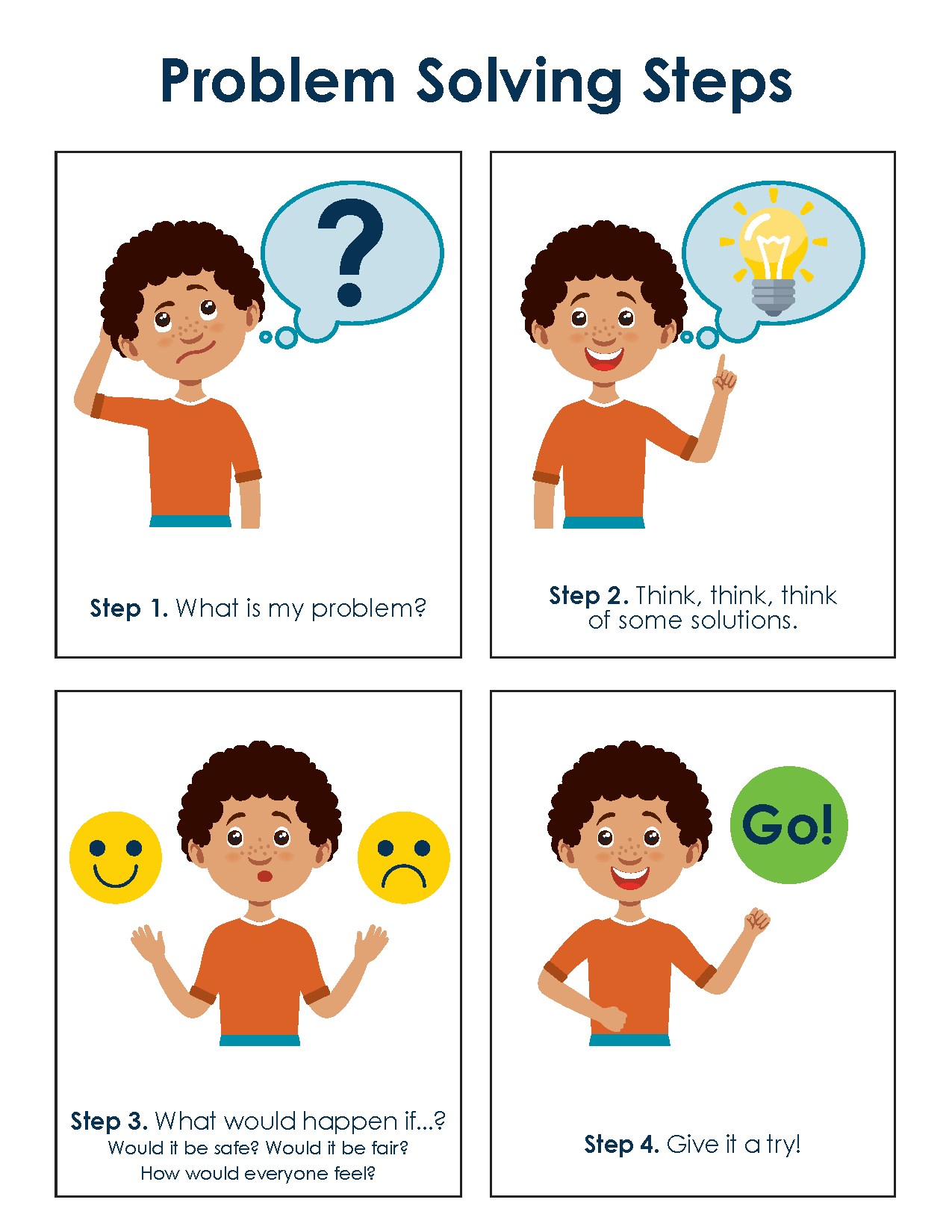
Peer Mediated Social Skills and Visual Supports
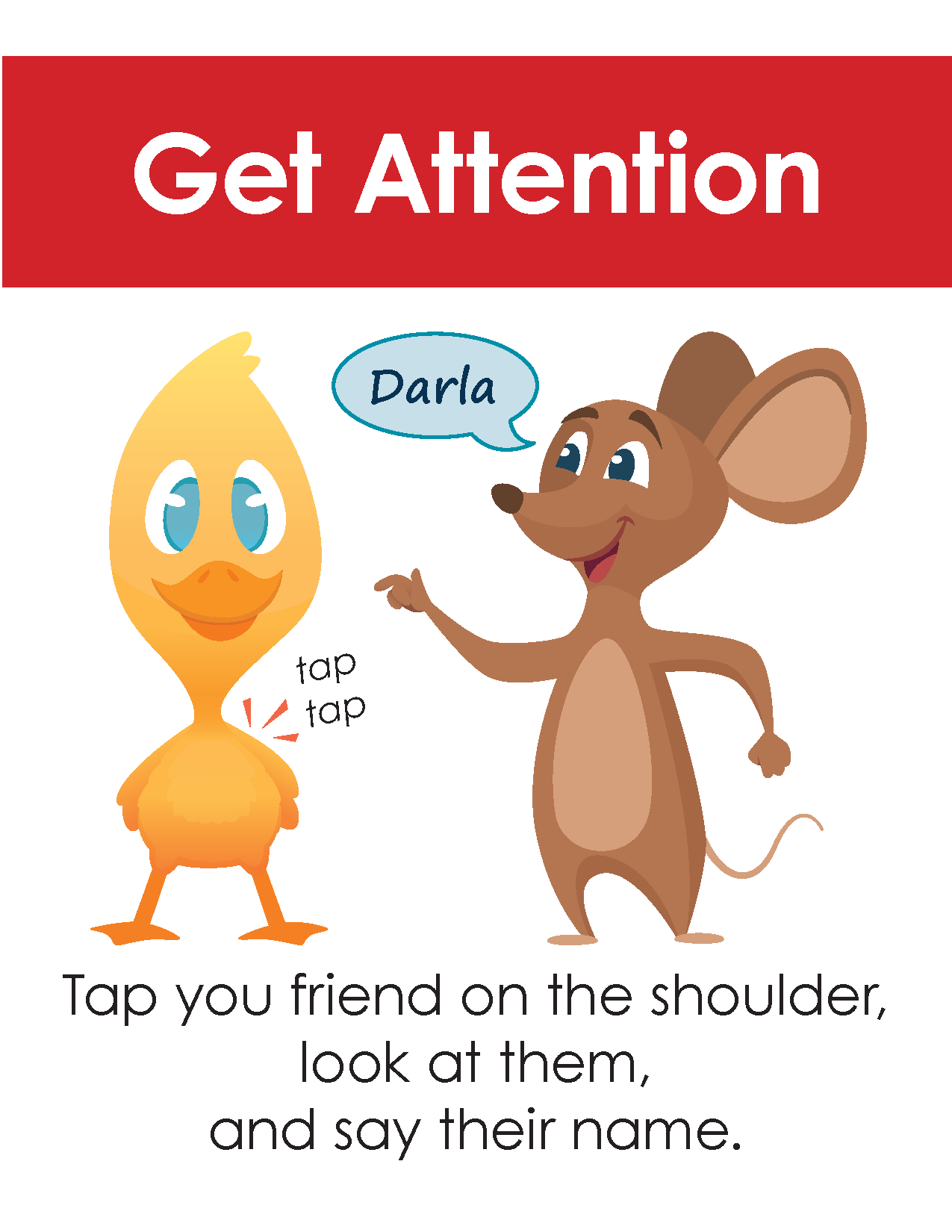
Social Skills posters to 1) display when giving descriptions of the skill and 2) serve as a reminders to children when they are involved in a play activity. By referencing the posters and giving verbal reminders, you can prompt children to use the skills they have learned.
Using Children’s Literature to Support Social-Emotional Development
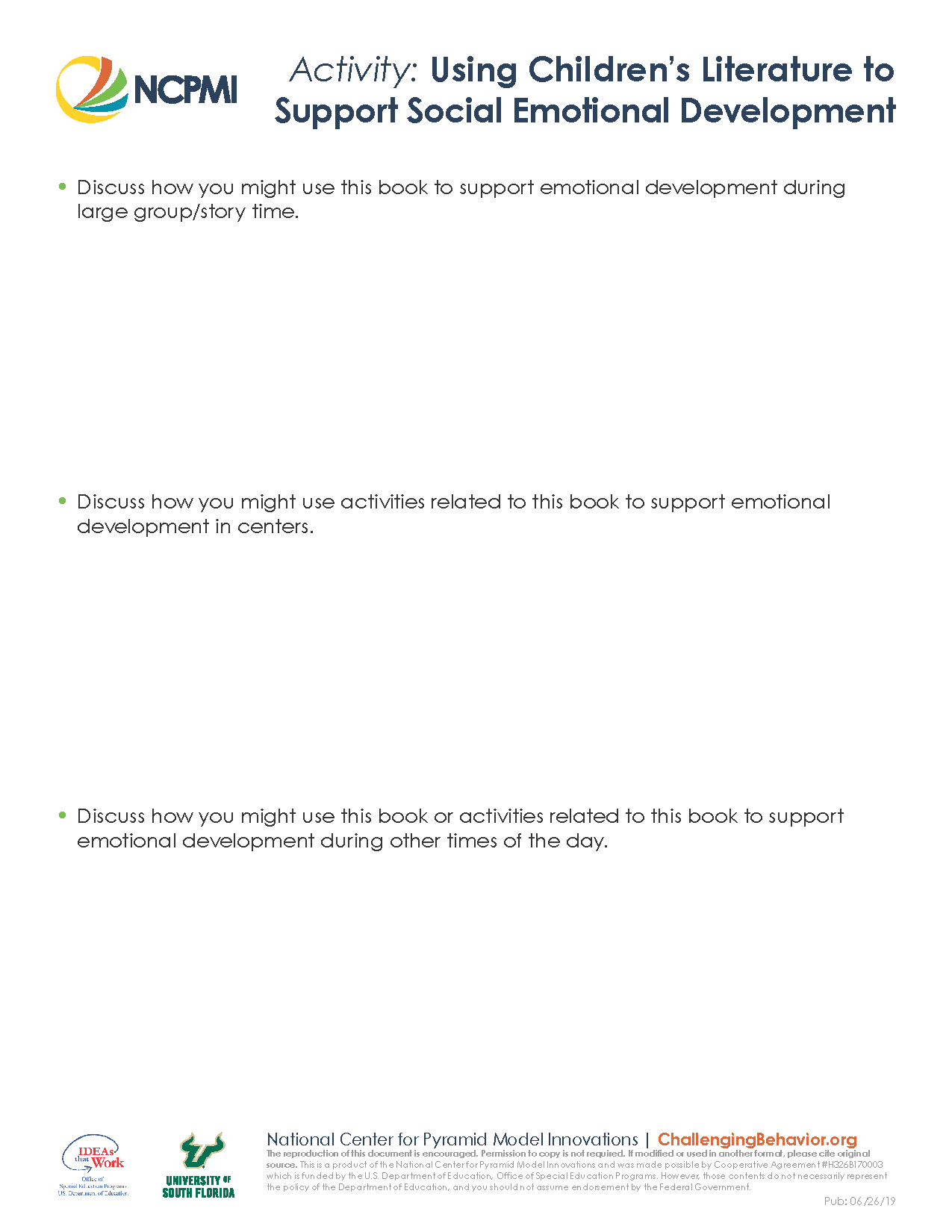
Handout with questions helping practitioners plan for using literature to teach social and emotional skills.
Positive Attention Data Sheet
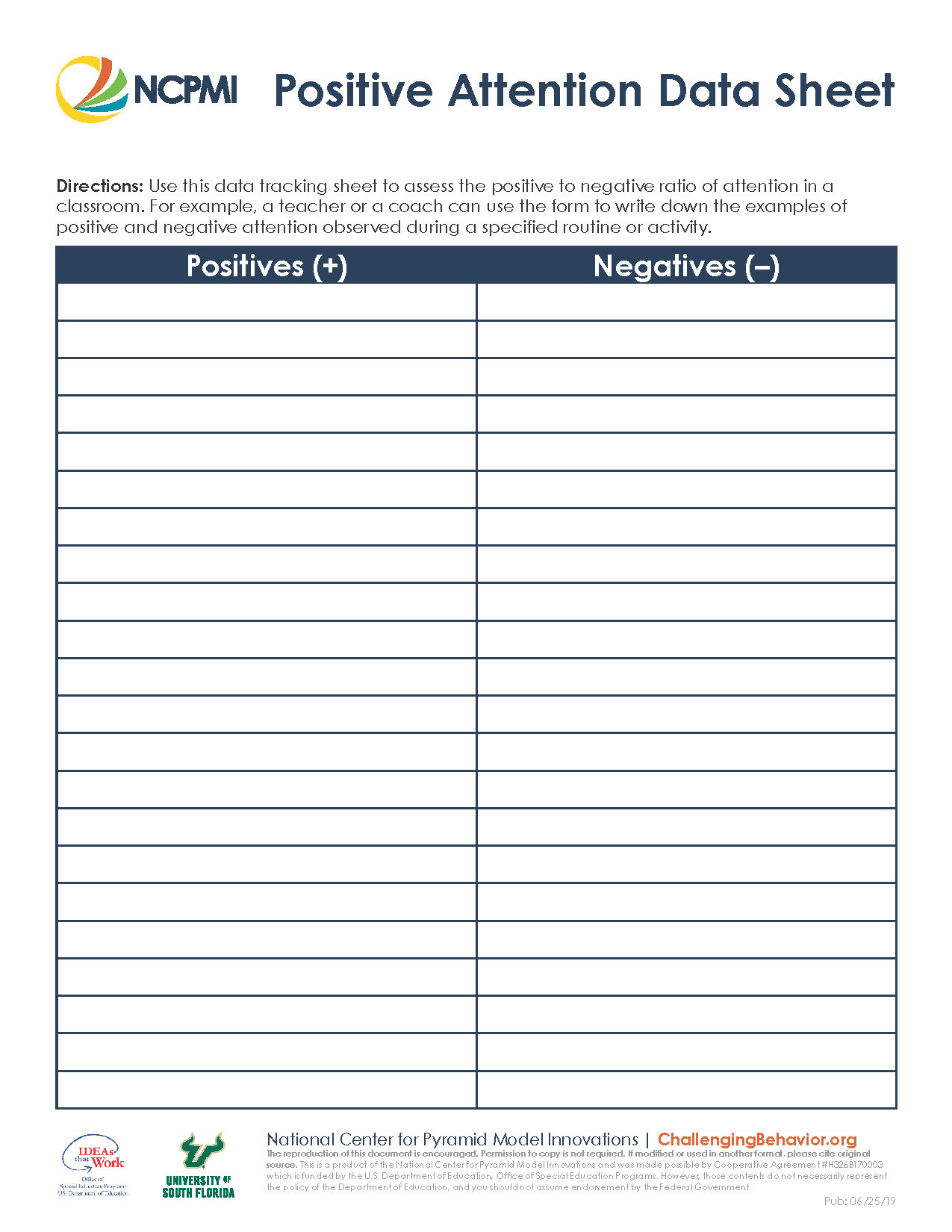
Use this data tracking sheet to assess the positive to negative ratio of attention in a classroom. For example, a teacher or a coach can use the form to write down the examples of positive and negative attention observed during a specified routine or activity.
Building Positive Relationships with Young Children
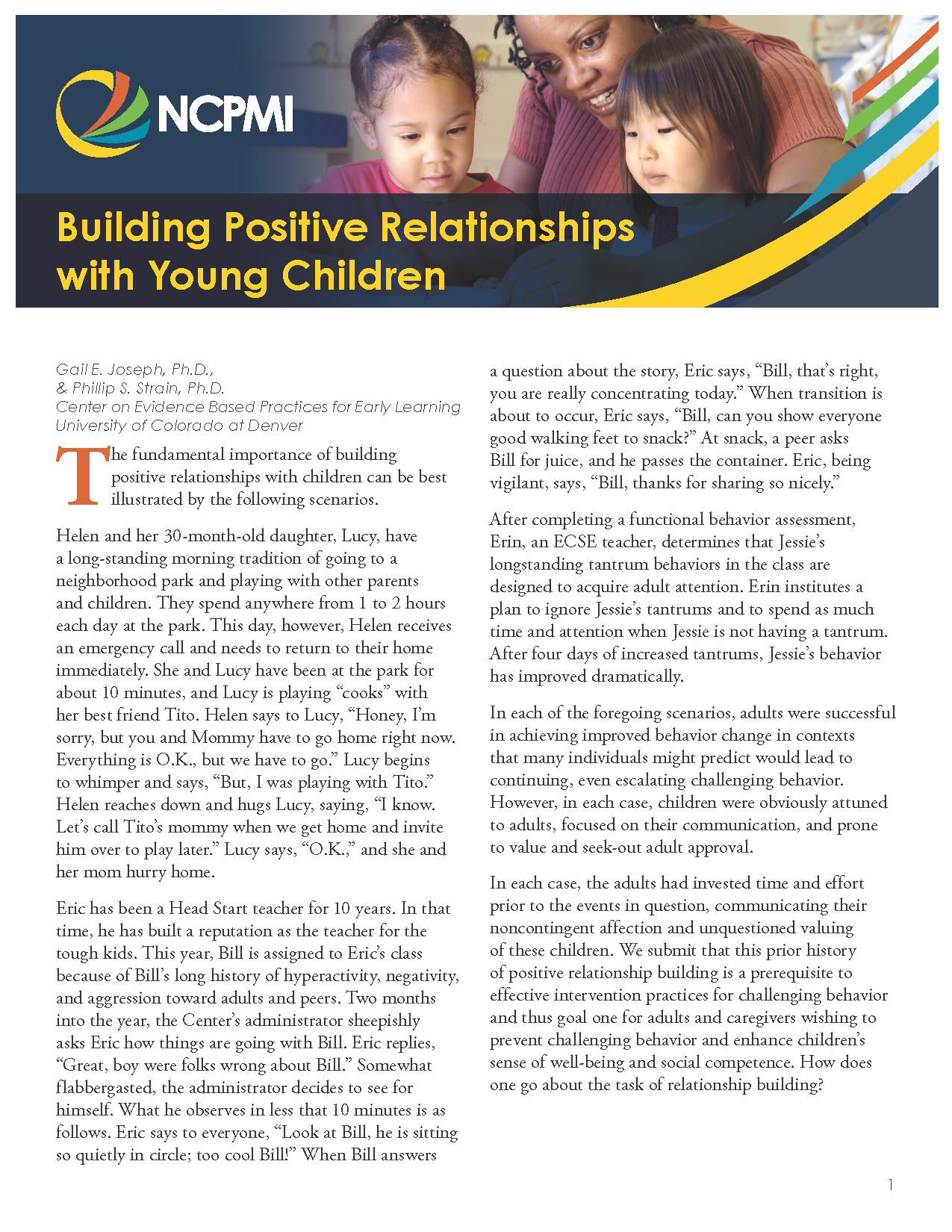
This handout describes the importance of building relationships with young children and contains practical strategies for for building positive relationships with children in the early childhood education setting.
Stop and Go Activity
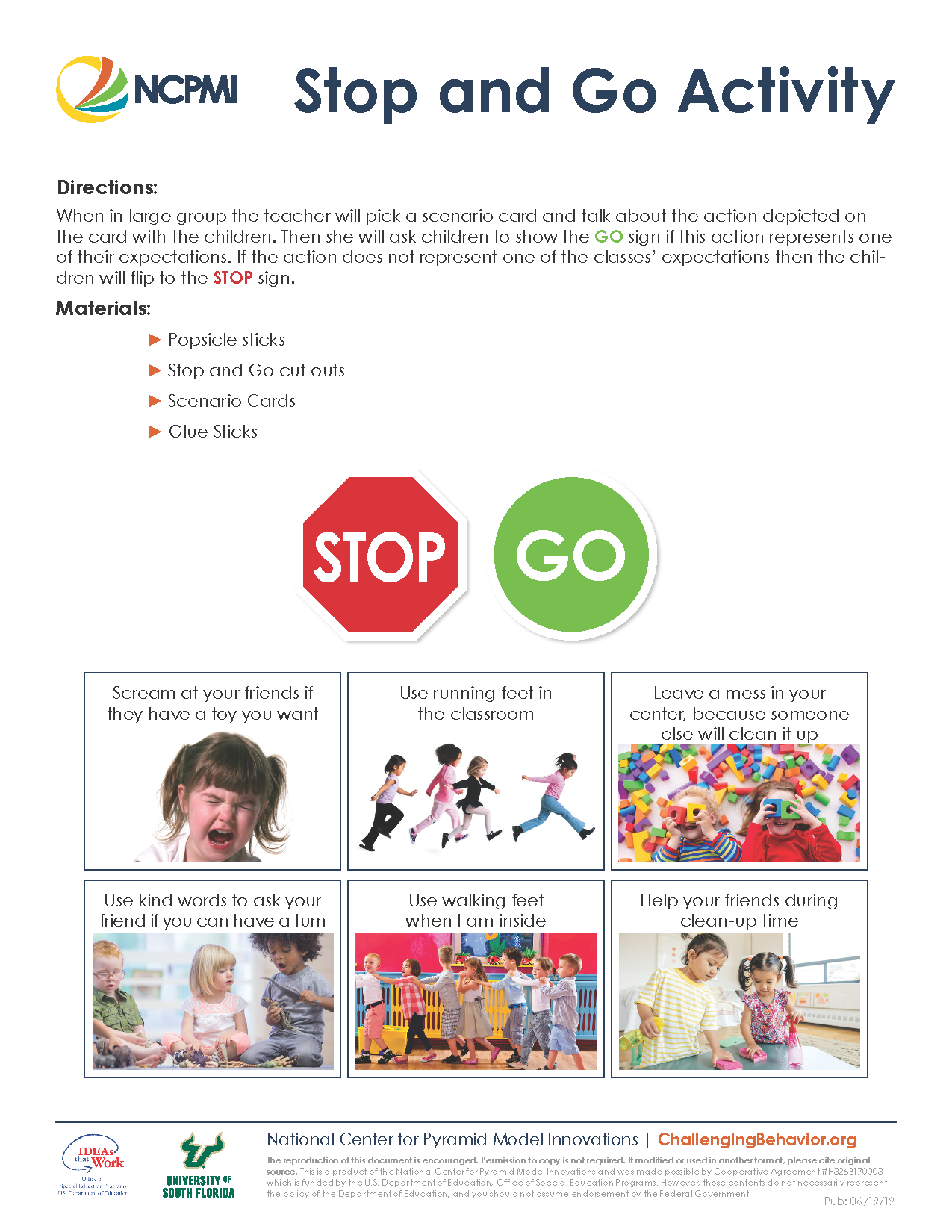
This handout contains materials for completing a stop and go activity to teach classroom rules and expectations.
Implementing Stay-Play-Talk in Early Childhood Classrooms
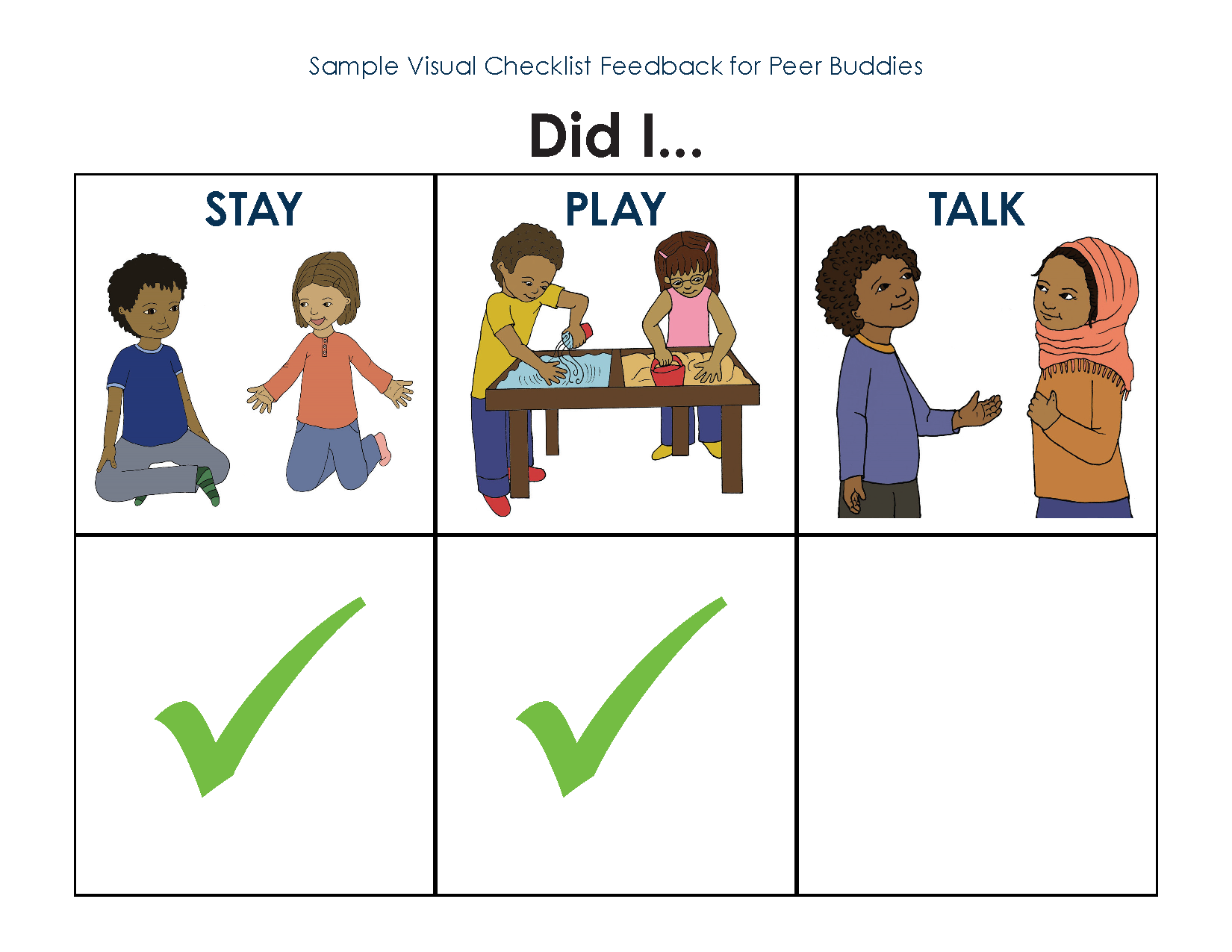
This resource helps adults teach peer buddies the steps in Stay-Play-Talk, a peer-mediated intervention for increasing social interactions.
Emotional Piggy Bank
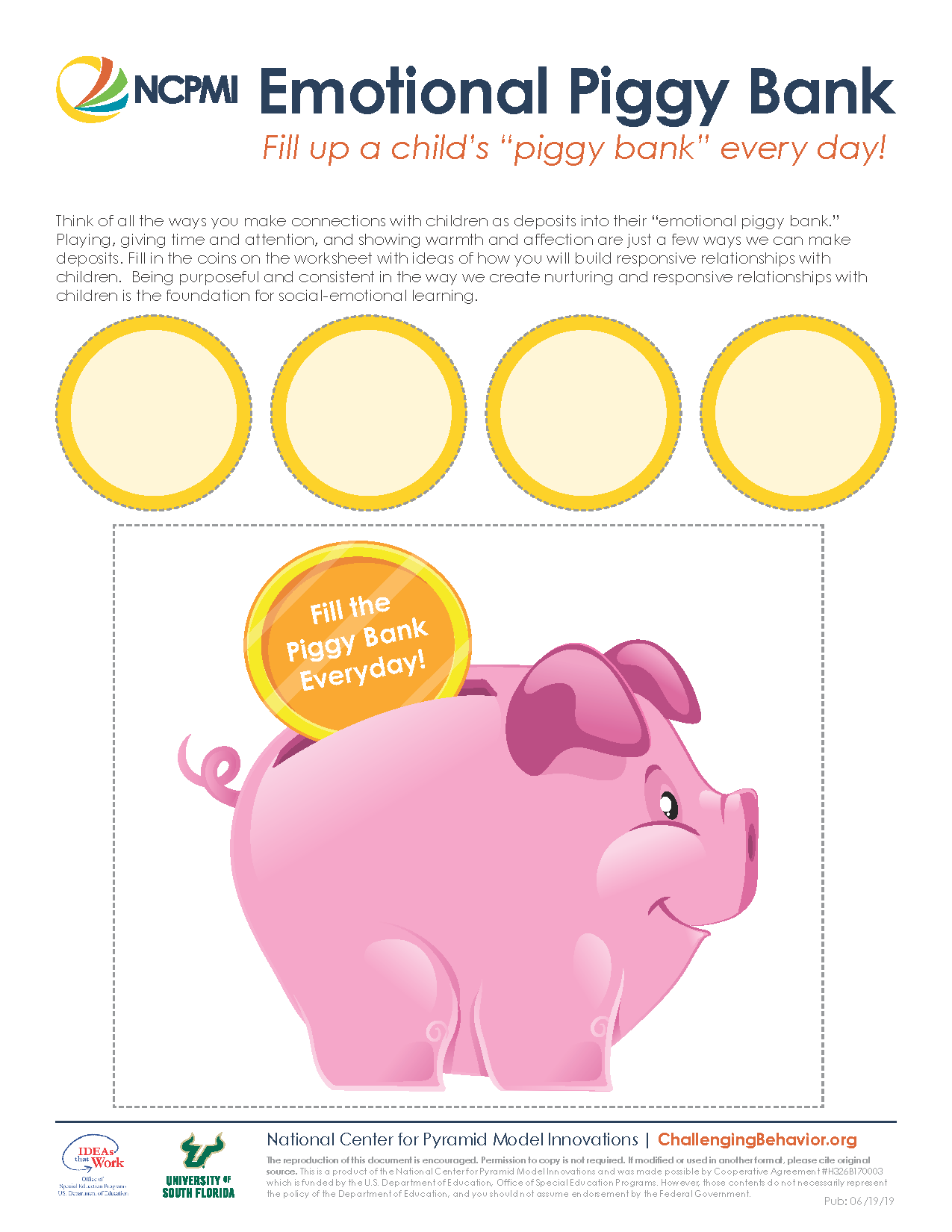
Think of all the ways you make connections with children as deposits into their “emotional piggy bank.” Playing, giving time and attention, and showing warmth and affection are just a few ways we can make deposits. Fill in the coins on the worksheet with ideas of how you will build responsive relationships with children.? Being purposeful and consistent in the way we create nurturing and responsive relationships with children is the foundation for social-emotional learning.
The Turtle Technique (Spanish)
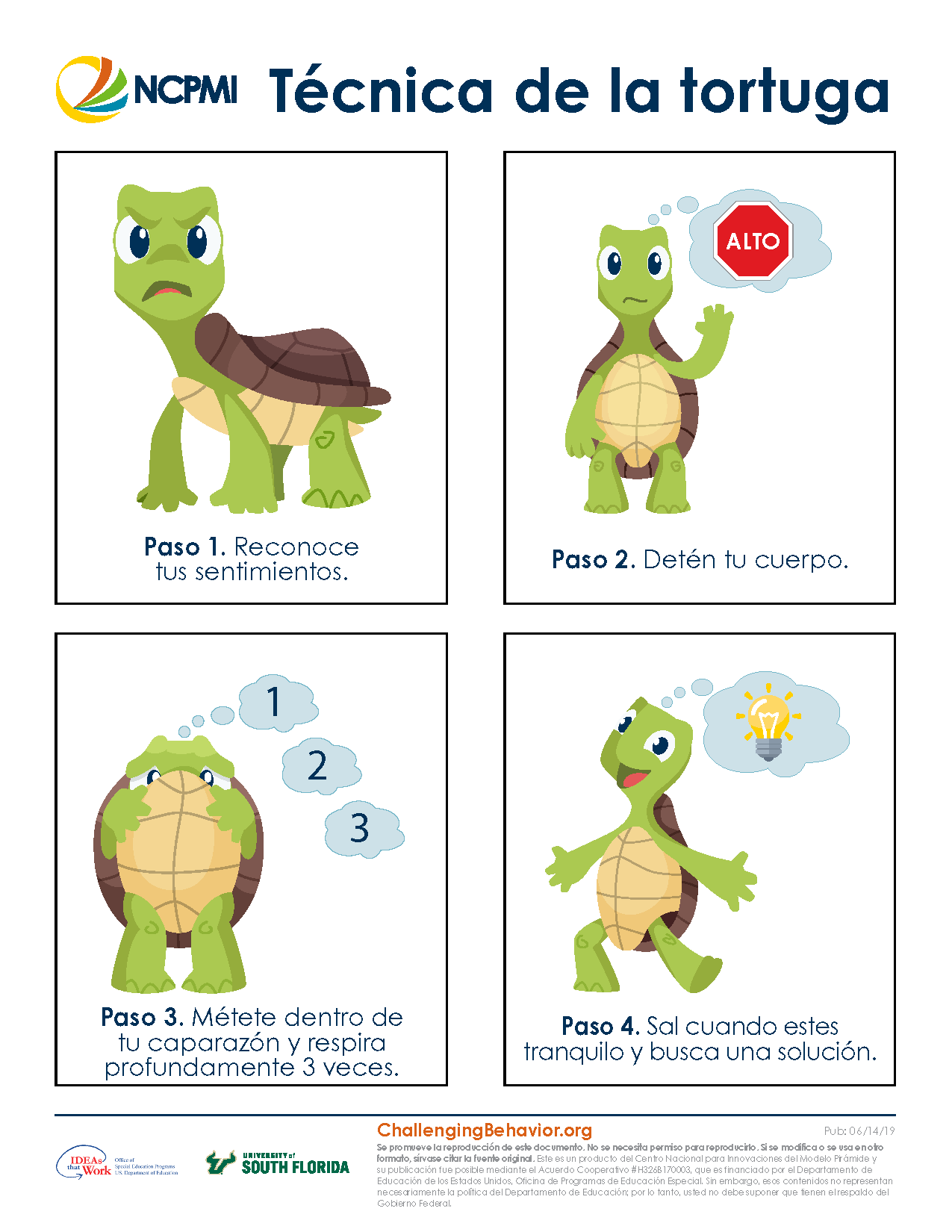
(Técnica de la tortuga) Turtle technique cards for teaching in Spanish