Reflecting on Your Culture of Collective Wellness
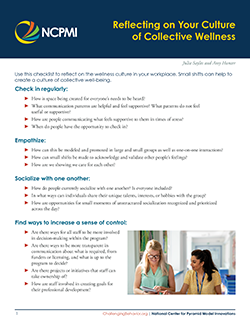
A checklist to reflect on the wellness culture in your program.
A checklist to reflect on the wellness culture in your program.

Guidance on how to build wellness into the culture of the program.

This workbook, part reflection guide and part practice resource, supports practitioner coaches, program implementation coaches, infant and early childhood mental health consultants, and early childhood practitioners in having meaningful conversations about approaching children’s behaviors with connection and care.
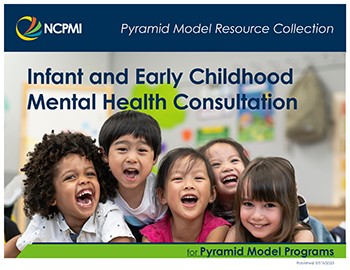
This resource collection offers information and materials for states, communities, and early childhood programs seeking further information on Infant and Early Childhood Mental Health Consultation (IECMHC) and the integration with the Pyramid Model. Created: 7/15/2025
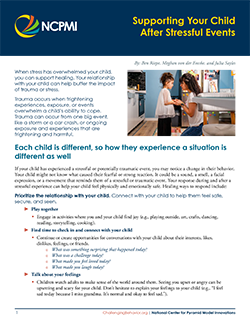
This resource offers guidance on supporting children after stressful events and includes strategies for families and caregivers to create safety and predictability through routines, clear communication, and emotional connection.
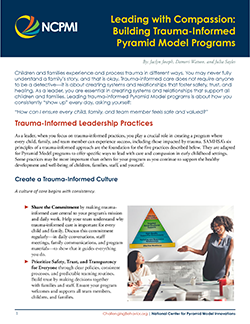
Leadership practices for creating systems and relationships that support staff, families, and children.
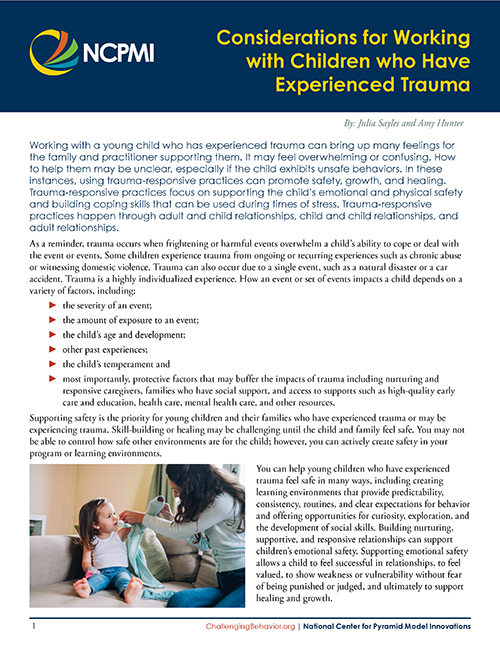
This practice brief provides prevention strategies to help children with challenging behavior who have been exposed to trauma and strategies for responding to children when they are trauma-activated.
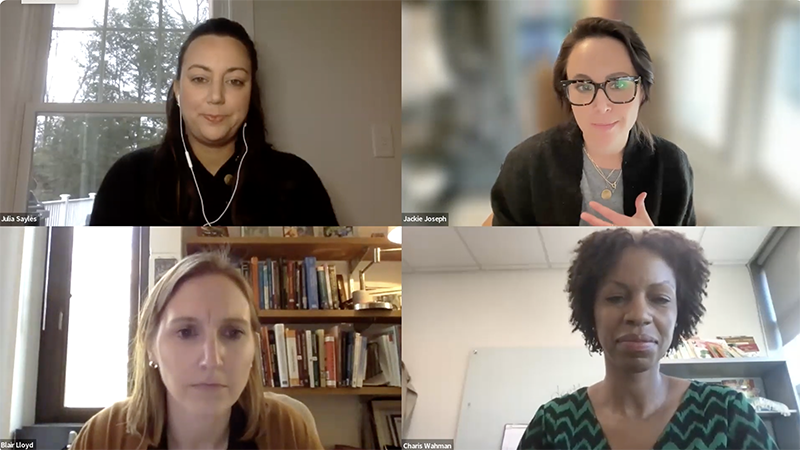
Join us for another conversation dedicated to implementing the individualized intensive intervention process while honoring the unique experiences of children who have experienced trauma. We will build on the March 2023 webinar to discuss the approaches teams might use as they engage in functional behavior assessment, plan development, and plan implementation to support a child … Read more
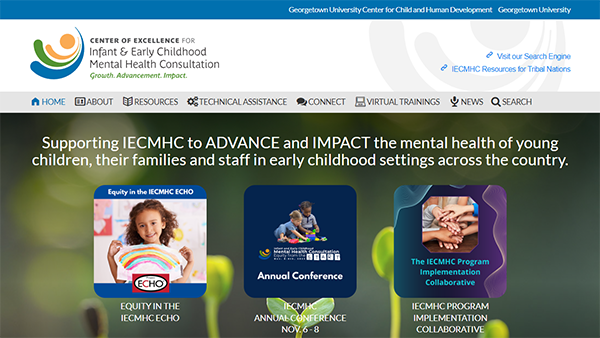
The CoE for IECMHC is a national technical assistance center dedicated to the advancement and impact of the field of IECMHC through training, technical assistance and resource development.
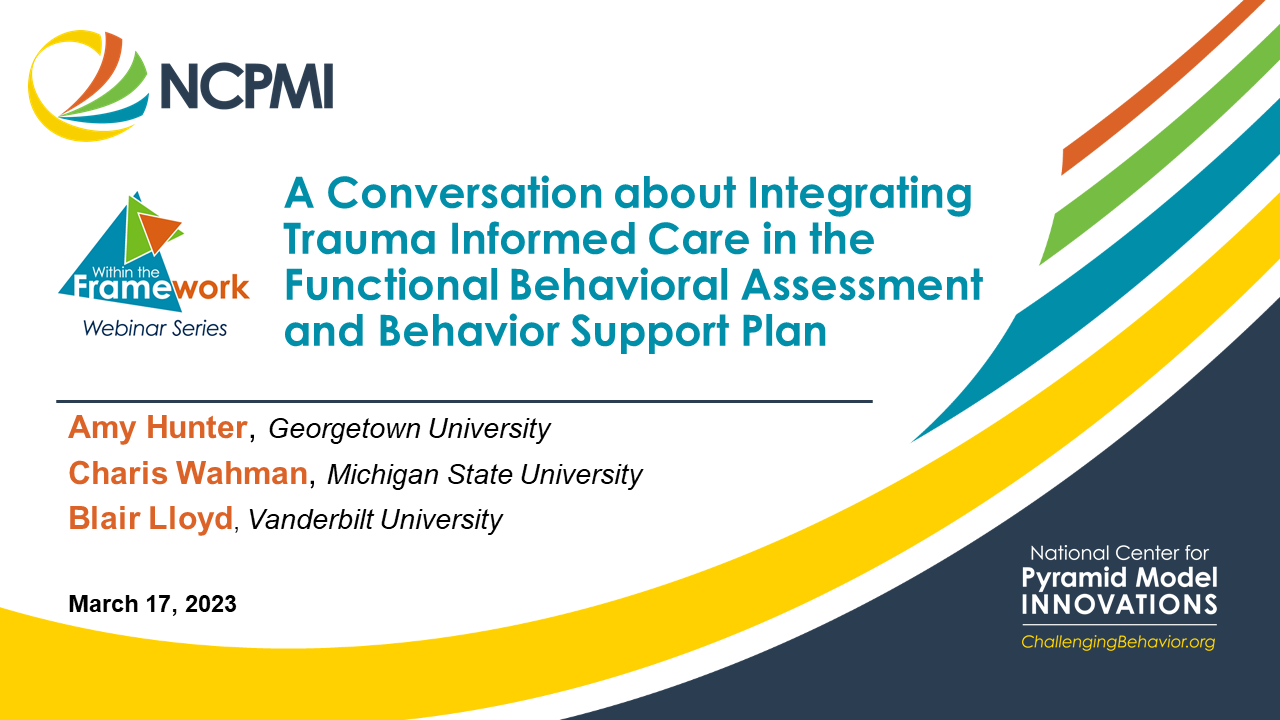
Young children are particularly vulnerable to the impact of traumatic experiences. In fact, traumatic experience can alter young childrens’ brain development. Young children who have experienced trauma may demonstrate a variety of emotional, behavioral and/or physical responses. Their responses to their experience depends on a variety of factors including: the nature, frequency, and intensity of the … Read more



This website was made possible by Cooperative Agreement #H326B220002 which is funded by the U.S. Department of Education, Office of Special Education Programs. However, those contents do not necessarily represent the policy of the Department of Education, and you should not assume endorsement by the Federal Government. This website is maintained by the University of South Florida. Contact webmaster.