Problem-Solving in Real Life Situation
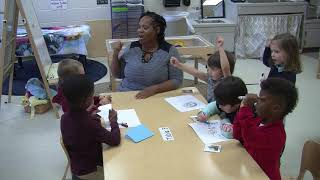
Teacher guides children having a disagreement through the problem-solving steps and celebrates when they select and use a solution.
Teacher guides children having a disagreement through the problem-solving steps and celebrates when they select and use a solution.
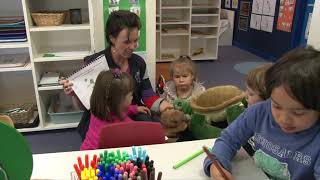
Child is coloring a picture of a turtle and the teacher takes the opportunity to teach an impromptu lesson on Tucker the Turtle.
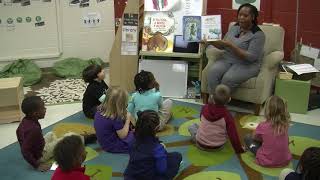
Teacher asks open ended questions about how the characters in the book are feeling. Children think, pair, share to brainstorm responses.
In this webinar, ML Hemmeter will lead a discussion with a panel of teachers who have been coached using the Practice-Based Coaching framework. Join us as they share their perspectives implementing the Pyramid Model in early childhood settings and insights on how coaching supported their teaching practice.
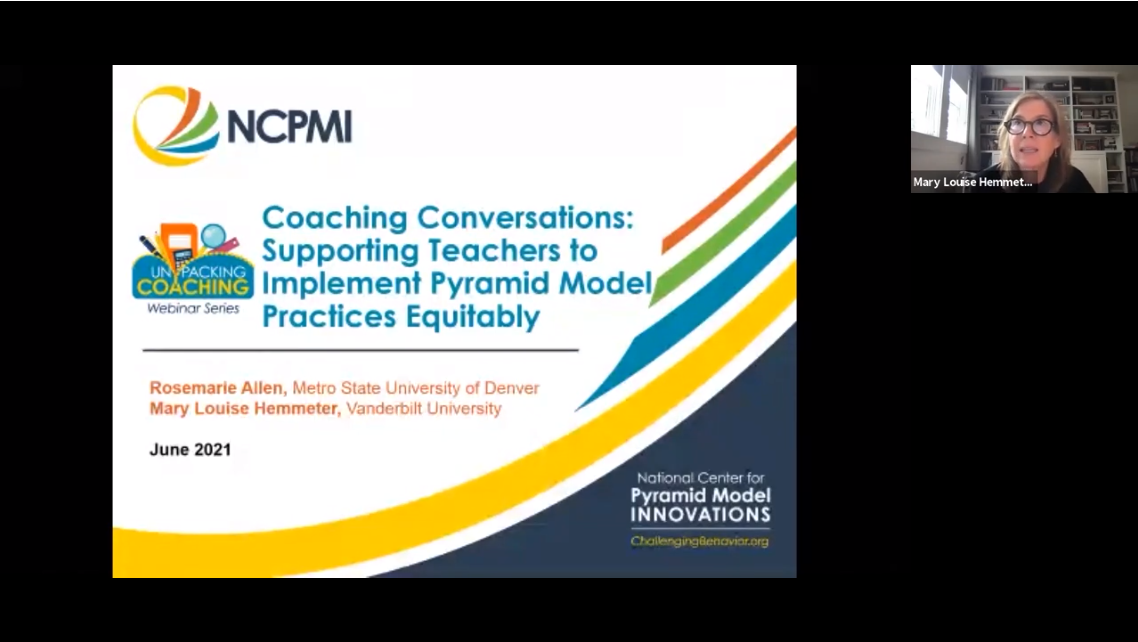
Coaches work collaboratively with teachers to support them in implementing Pyramid Model practices. Pyramid Model practices are designed to support young children’s development of social-emotional competence including emotional literacy, problem-solving, communicate their wants and needs, and peer relationship skills and to decrease the likelihood they will engage in challenging behavior. How do coaches support teachers to ensure they are using Pyramid Model practices to address the individual needs of each and every child in their classroom? In this webinar, panelists will discuss ways coaches can support teachers to implement Pyramid Model practices equitably.
Join NCPMI leaders Lise Fox and Mary Louise Hemmeter for a discussion about what practices should be implemented to support children as they return to the classroom. The presenters will identify the priority social-emotional teaching practices for the preschool classroom, the use of Pyramid Model practices to support children entering kindergarten, and partnerships with families.
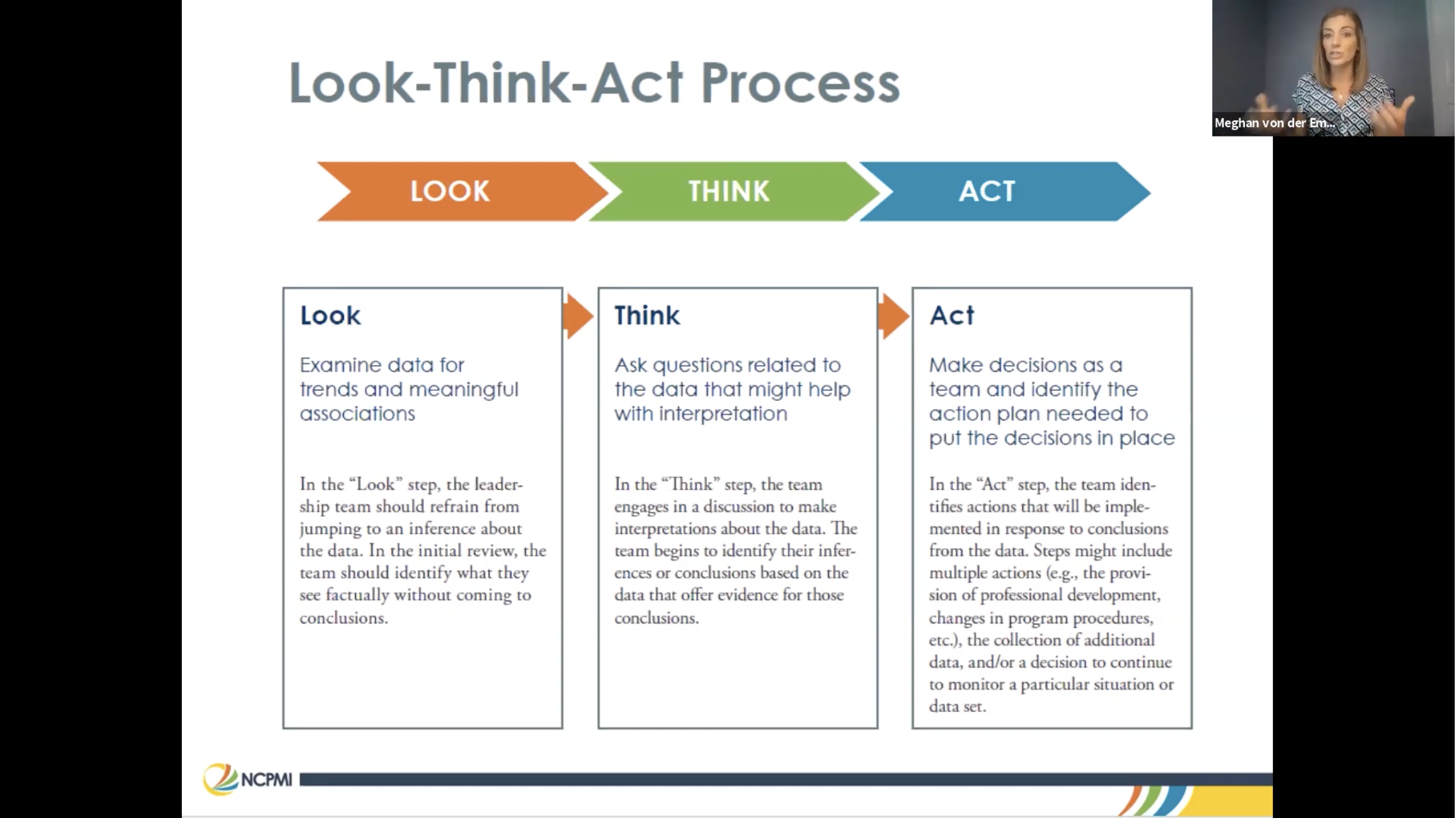
This webinar will review how the Behavior Incident Report System (BIRS) can be used as a coaching tool to support classroom practitioners and children. Case studies will be presented that will be help coaches understand and reflect on how the BIRS can be a powerful tool to use to improve child outcomes.
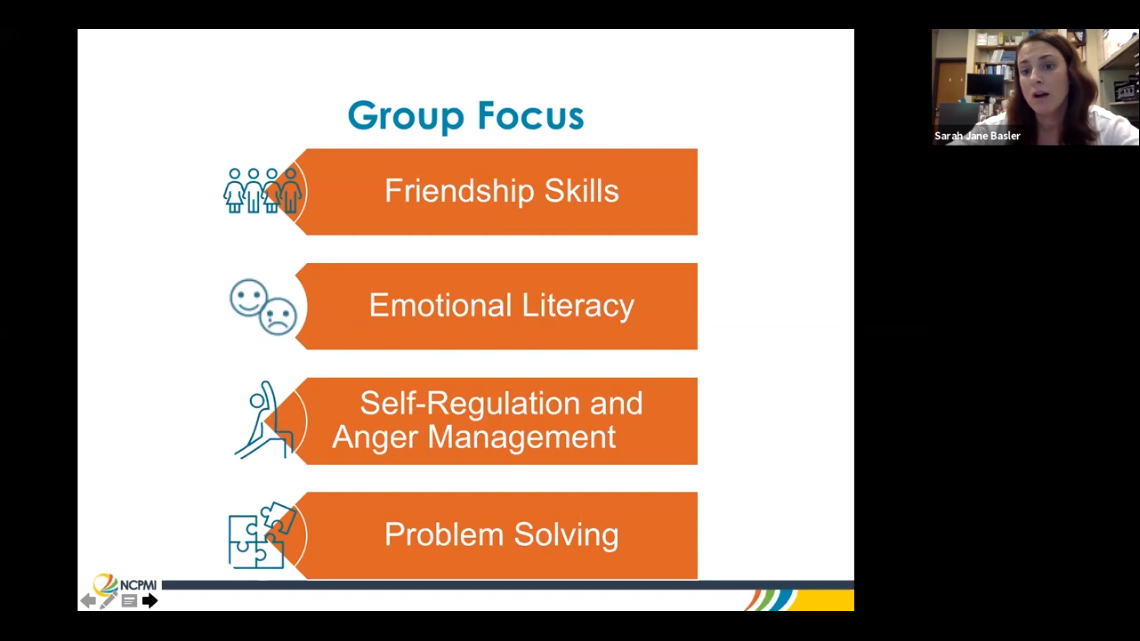
Practice Based Coaching (PBC) can be delivered in a variety of ways to build teachers? capacity to implement Pyramid Model practices in their classroom. In past webinars, we discussed how PBC is delivered individually. In this webinar, we invite a coach with experience using PBC in a group format. Panelists will discuss the benefits, the structure and process, and share teacher perspectives to using this approach.
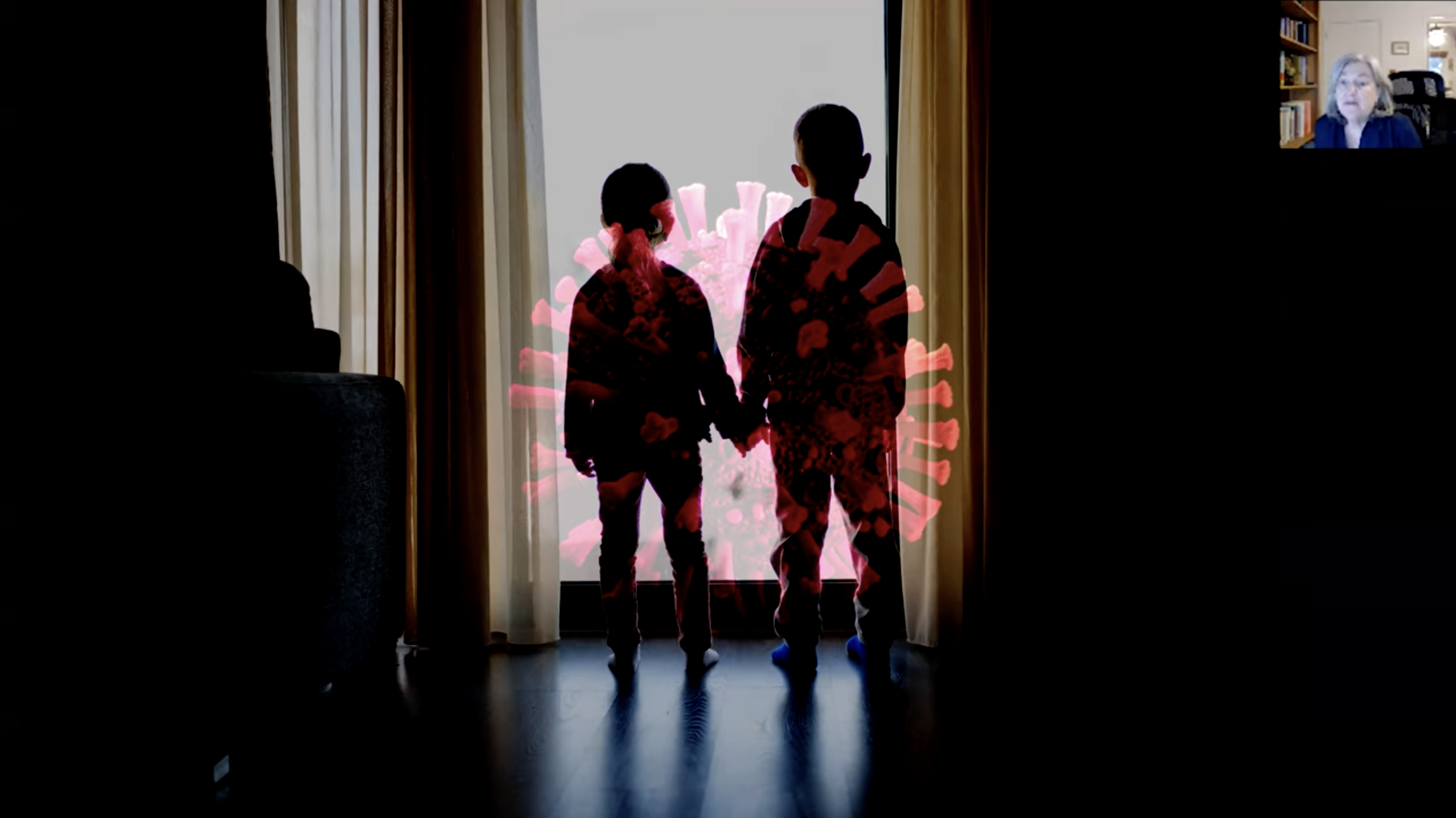
Brief video (9 minutes) that describes the impact of COVID-19 and potential impact on children’s social-emotional wellness. The video provides guidance on pivotal practices that can promote social-emotional skill development and how programs can use a trauma -informed care approach.

Brief video (9 min) that describes the strategies that might be used by early childhood programs and educators to promote social and emotional skills and prevent challenging behavior. The video provides information on universal and targeted practices and materials that might be used.



This website was made possible by Cooperative Agreement #H326B220002 which is funded by the U.S. Department of Education, Office of Special Education Programs. However, those contents do not necessarily represent the policy of the Department of Education, and you should not assume endorsement by the Federal Government. This website is maintained by the University of South Florida. Contact webmaster.